Canada Weighs Joining EU Ukraine Loan as Investors Watch Transatlantic Risk
Ottawa is in talks to contribute to the European Union’s 90 billion euro Ukraine loan program ahead of an EU-Canada summit in Montreal.
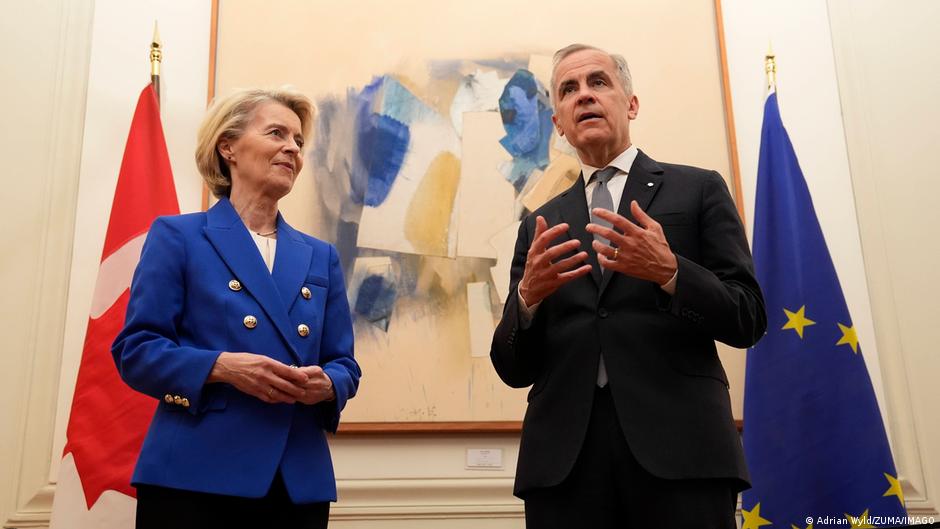
Canada is seeking to join the European Union’s 90 billion euro loan program for Ukraine, a move that would extend participation in the financing package beyond Europe and add a new layer to investors’ assessment of transatlantic political risk.
Ottawa and Brussels intend to agree on the size of Canada’s potential contribution before an EU-Canada summit scheduled for late October in Montreal, the Financial Times reported on Sunday, September 13, citing people familiar with the matter. The talks put Canada alongside the United Kingdom as a non-EU participant in the loan initiative, though Britain remains the only country outside the bloc to have joined so far.
For markets, the immediate question is less the final size of Ottawa’s commitment than what the move signals about the durability of Western financing for Ukraine. Sustained support can shape expectations across sovereign debt, defense equities, currency markets and long-term fiscal planning in Europe and Canada. A broader donor base may be read by investors as a sign that Ukraine funding is becoming more institutionalized, even as public budgets remain under pressure.
Funding Signal Meets Market Sensitivity
The proposed Canadian role comes at a time when capital markets are highly sensitive to geopolitical commitments that imply future borrowing, defense spending and industrial policy. A Canadian contribution to the EU-led loan would not, based on the report, immediately redefine global rates markets. But it would reinforce a policy trend that investors have been monitoring closely: allied governments are continuing to use public balance sheets to support Ukraine, even as they manage domestic fiscal constraints.
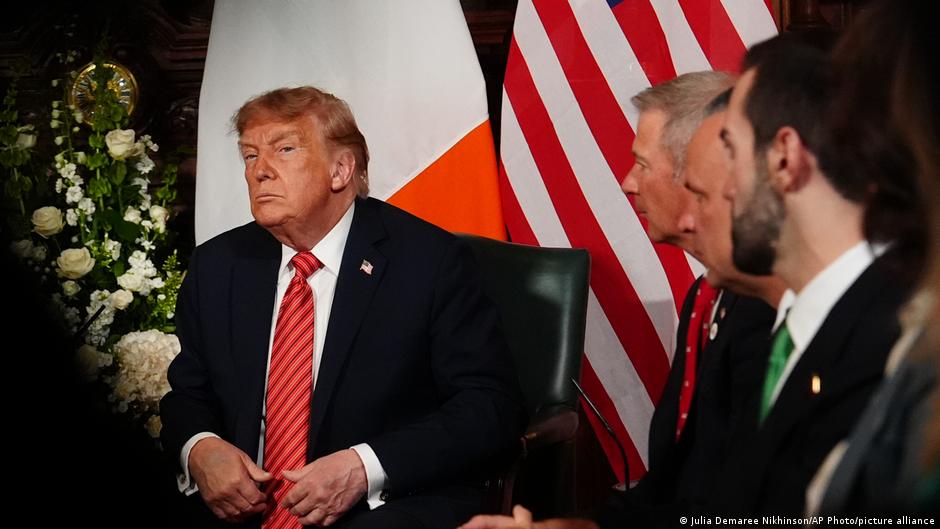
Prime Minister Mark Carney is expected to use Canada’s participation to demonstrate to Europe a commitment to strengthening transatlantic ties, according to the Financial Times. The newspaper reported that Carney is pursuing closer European relationships in part to reduce Canada’s dependence on the United States. It described his broader idea as building an alliance of liberal powers committed to a multilateral order that, according to the paper, was disrupted by U.S. President Donald Trump.
Canada’s talks with the EU suggest Ukraine financing is becoming part of a wider strategy to diversify economic and diplomatic ties beyond Washington.
That political framing matters for investors because it links security financing with trade policy and strategic diversification. Canada is also hoping to reach other agreements with the European Union as it seeks support in a trade war with the United States, the Financial Times reported. Those talks include potential Canadian participation in the EU’s supercomputer network for joint work on artificial intelligence and a possible digital trade agreement with Brussels.
Equity investors may view the Ukraine loan talks through several channels. Defense and aerospace companies remain exposed to expectations for long-term procurement and allied military cooperation. Technology firms with links to artificial intelligence infrastructure could also be affected by any future agreement involving EU supercomputing resources, although no terms were reported. The article did not specify companies, contract values or market instruments tied to the prospective arrangements.
Bond investors, meanwhile, are likely to focus on the fiscal implications only once the size and structure of Canada’s contribution become clear. Canada has already allocated 6.5 billion Canadian dollars, or about 4.7 billion U.S. dollars, in military aid to Ukraine, according to the report. On September 10, Carney and Ukrainian President Volodymyr Zelensky signed a declaration establishing a 100-year partnership that includes cooperation in defense innovation.
Canada Looks to Europe as U.S. Dependence Comes Into Focus
The talks also fit into a broader reordering of Canada’s external economic strategy. A closer financial role in an EU Ukraine package would give Ottawa a more visible position in European security policy, while potential digital and artificial intelligence agreements would point toward deeper commercial integration with Brussels.
For investors today, that makes the story relevant beyond Ukraine alone. The package sits at the intersection of sovereign financing, strategic technology, defense innovation and trade alignment. If Canada reaches an agreement before the Montreal summit, markets will be watching whether the contribution is largely symbolic or large enough to affect fiscal assumptions, procurement expectations or investor views of Canada’s geopolitical positioning.
The October summit timetable gives policymakers a relatively short window to settle the Canadian contribution. Until then, the market impact is likely to remain concentrated in expectations rather than pricing. Still, the direction of travel is clear: Ottawa is exploring a more active role in European-led financial support for Ukraine while seeking deeper ties with the EU in areas that matter to investors, from defense to digital trade and artificial intelligence infrastructure.