Zaporizhstal Damage Deemed Critical After Third Russian Strike in a Month
The shutdown of one of Ukraine's largest steel plants adds fresh pressure on industrial output, logistics and investor risk pricing.
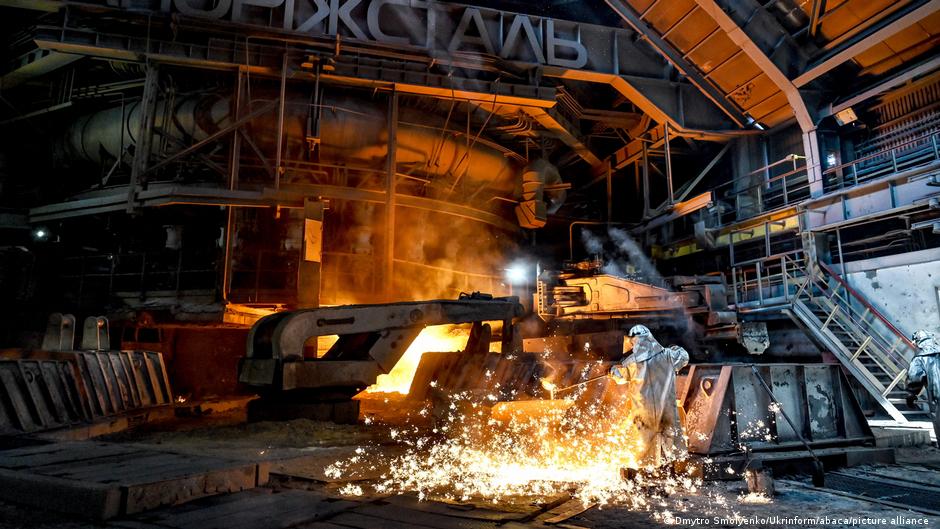
Preliminary assessments indicate that damage to Zaporizhstal, one of Ukraine's largest steel plants, is critical after a third Russian missile strike on the facility in a month. The plant, located in the Ukrainian city of Zaporizhzhia and part of Metinvest Group, had already fully halted operations after the first major attack on August 11.
For investors tracking Ukraine-linked industrial assets, the latest strike sharpens a risk that has been present throughout the war but is becoming more concentrated: the vulnerability of large fixed assets that sit at the center of production, employment, tax receipts and export supply chains. The immediate market implications are not limited to steel. The reported damage to energy systems and logistics infrastructure points to wider pressure on transport routes, input costs and operating continuity across related sectors.
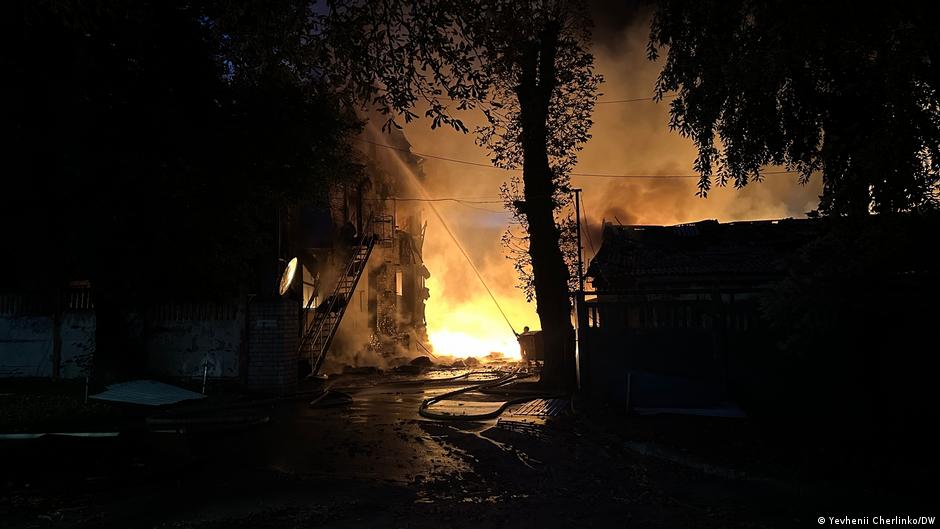
According to the company, four ballistic missiles hit the production site during the latest attack overnight into Saturday, September 12. Although Zaporizhstal had fully stopped work after earlier strikes on August 11 and August 27, at least four workers were present at the site during the September attack and were injured. Three required hospitalization.
The company said equipment at the blast furnace and open-hearth shops was damaged, as were the plant's energy system and logistics infrastructure. Cleanup and inspections are continuing as the company works to establish the full character and scale of the destruction.
"The scale of destruction is growing with each strike. It is still impossible to assess it definitively, but preliminarily we qualify the damage as critical," said Oleksandr Myronenko, chief operating officer of Metinvest Group.
Industrial Risk Moves Back Into Focus
The reported critical damage changes the investment conversation around Ukrainian heavy industry from temporary disruption to the possibility of a more prolonged loss of capacity. Zaporizhstal had already ceased production after the August attacks, so the latest event may not create an immediate step-change in output from an already stopped facility. But it could push back any realistic recovery timetable and increase the capital expenditure that would be required to restore operations.
For equity investors, the key issue is visibility. Companies with exposure to Ukrainian steel, mining, logistics and power infrastructure face a higher discount where asset availability, repair costs and restart timelines remain uncertain. In bond markets, the same uncertainty can feed into risk premiums for issuers tied to industrial production or regional tax and employment bases. Even where securities are not directly linked to Zaporizhstal, the strike reinforces the conflict-risk component embedded in Ukrainian assets.
The plant's significance is measurable. Zaporizhstal said it produced almost 3.568 million tonnes of pig iron and 3.212 tonnes of steel in 2025. Across Ukraine, according to industry association Ukrmetallurgprom, producers cast 7.884 million tonnes of pig iron and 7.409 million tonnes of steel in the same year. On that basis, the Zaporizhzhia enterprise accounted for more than 45% of the country's pig iron output and more than 42% of Ukrainian steel production.
That scale means a prolonged outage can affect not only company-level earnings but also national production figures, supply commitments and government revenue. In May 2026, Zaporizhstal topped the list of the largest employers in the Zaporizhzhia region, according to the company's press service, citing the annual ranking by Opendatabot, a service that provides access to Ukrainian state data on individuals and legal entities. At that time, more than 8,000 people worked at the enterprise.
The fiscal dimension also matters for investors watching Ukraine's budget capacity and regional economic resilience. The plant paid almost 2.7 billion hryvnias, or 52.34 million euros, in taxes to budgets at all levels in 2025. If operations remain suspended and damage proves extensive, the pressure is likely to extend from industrial output to employment and tax flows.
Three Attacks, Rising Damage
The first major missile attack on Zaporizhstal occurred overnight on August 11. Eight employees were killed and another 26 were wounded. Damage to equipment was so serious that the steel plant fully stopped work, while other production sites began operating at reduced capacity.
The second major attack came on August 27. According to Zaporizhstal, five missiles struck the plant. No one was killed or injured in that attack, but the blast furnace shop, energy and transport infrastructure, and open areas of the enterprise were damaged. At the time, Myronenko said production restart dates existed only in theory because another strike occurred just as the company had cleared debris from the previous impact.
The September strike now leaves the company dealing with a third major incident in roughly one month. For markets, that pattern is central. A single attack can be modeled as an extraordinary event; repeated strikes against the same industrial asset create a different risk profile, one in which repair work itself becomes exposed and restart plans remain vulnerable to renewed disruption.
Steel investors are likely to watch several signals from here: the final damage assessment, whether critical systems can be repaired, whether logistics routes remain usable, and whether other Metinvest production sites continue operating at reduced capacity. Bond investors may also focus on any indication of increased financing needs, insurance recoveries, or changes in liquidity planning among exposed issuers.
The latest damage assessment does not by itself provide a new production restart date. It does, however, underline why Ukrainian industrial exposure continues to trade with a heavy geopolitical risk overlay. Zaporizhstal is not merely another plant on a map. It is a major share of national steel capacity, a large regional employer and a meaningful taxpayer. With operations already stopped and damage now described as critical, investors face another reminder that the war's industrial costs are still being repriced in real time.