Saudi Pipeline Outage Puts Up to 4% of Global Oil Supply at Risk
A prolonged shutdown of the East-West pipeline could tighten crude markets as investors assess repair timelines and export constraints.
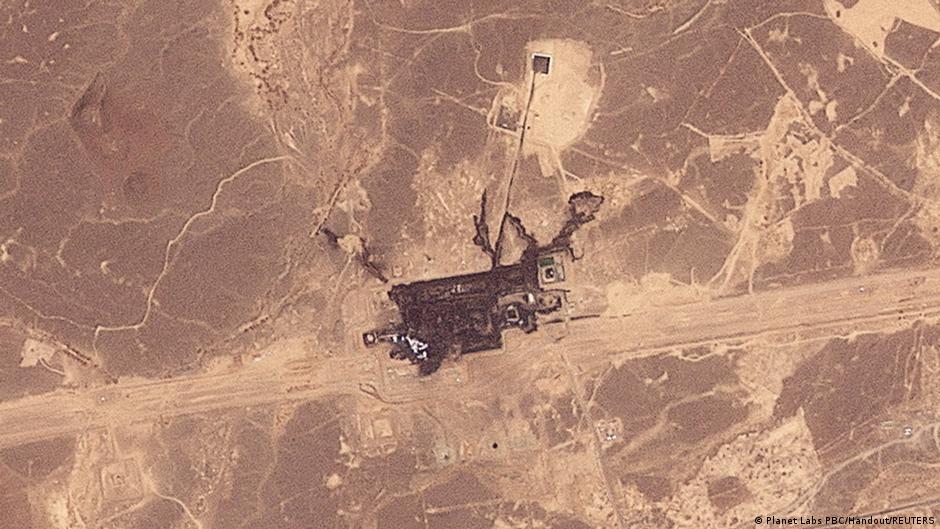
A prolonged halt on Saudi Arabia’s East-West oil pipeline could reduce global oil supplies by as much as 4 percent, adding a fresh geopolitical risk premium to crude markets and sharpening investor focus on energy equities, inflation expectations and bond yields.
The duration of repairs remains unclear after the pipeline was stopped following a drone attack attributed to the Houthis. Reuters reported on Sunday, September 13, citing informed oil-market sources, that if Riyadh fails to restore the route in the coming days, Saudi Arabia could face a shortage of oil inventories available for export. According to those estimates, the disruption could translate into a 4 percent decline in global supply.
Saudi authorities have not provided full details on the scale of damage to the pipeline or on the timetable for resuming crude pumping. That information gap matters for markets because the East-West route is not a marginal piece of infrastructure. It is a strategic export artery that allows Saudi crude to move from the kingdom’s main eastern oil fields to the Red Sea port of Yanbu, bypassing the Strait of Hormuz, where traffic has been restricted by Iran.
The pipeline’s shutdown began on September 11. Saudi Arabia’s energy ministry said at the time that the suspension was taken as a “precautionary measure” after drone strikes from Iraqi territory hit the Riyadh and Medina provinces.
Saudi authorities have not provided full information on the scale of pipeline damage or the timing for a restart.
Why Investors Are Watching the Repair Timeline
For capital markets, the key variable is not only whether the pipeline can be repaired, but how quickly exports can normalize. One Reuters source said repairs could take five to six weeks. Another source said the work could be completed more quickly and that pumping could resume even before repairs are fully finished.
That range leaves traders and portfolio managers pricing uncertainty rather than a fixed outage. A repair period measured in days would likely limit the effect to short-term volatility in crude futures and energy shares. A five- to six-week disruption, by contrast, would increase the risk of tighter physical supply, higher benchmark crude prices and broader pressure on fuel-sensitive sectors.
Oil markets are especially sensitive to export-route disruptions when inventories are difficult to verify and geopolitical tensions are already affecting transit lanes. A potential 4 percent hit to world supply is large enough to affect expectations for refiners, airlines, shipping companies and inflation-linked assets. For bond investors, the immediate question is whether higher energy prices would complicate disinflation trends and influence central-bank expectations. For equity investors, the split is more uneven: producers and integrated oil majors may benefit from stronger crude prices, while transport, industrial and consumer-facing companies can face margin pressure.
The East-West pipeline runs 1,200 kilometers and connects Saudi Arabia’s main oil fields in the east with Yanbu on the Red Sea. Through this route, Riyadh can ship millions of barrels of oil per day without using the Strait of Hormuz. That strategic value increased after the start of the war against Iran, when Saudi Arabia significantly expanded use of the line.
By June, oil exports through the pipeline had reached nearly 8 million barrels per day, according to an estimate by the International Energy Agency. That figure underscores why any prolonged outage is likely to be tracked not merely as a local infrastructure incident, but as a global supply event.
Red Sea Risks Add to Supply Concerns
The pipeline’s role has already been complicated by security risks in the Red Sea. In recent weeks, the route’s effective capacity declined because of Houthi attacks on Saudi tankers in the Red Sea. In August, about 2.5 million barrels per day were shipped through Yanbu, the lowest level since 2013, according to the IEA’s latest monthly report.
That decline means the current outage is landing on a system that had already been under stress. Investors are therefore likely to focus on whether Saudi Arabia can maintain export commitments through alternative routes, how much spare logistical flexibility remains, and whether insurance, shipping or security costs rise further around Red Sea movements.
The precedent from earlier this year offers only limited comfort. In April, the East-West pipeline was also attacked, but Saudi Aramco, the national oil company, returned it to service quickly. The present case is harder for markets to assess because officials have not disclosed the full extent of the damage and because sources differ on the likely repair timeline.
For today’s trading environment, the outage adds another supply-side variable to an already politically charged oil market. The most immediate financial impact is likely to be felt in crude-price volatility and in relative performance across energy producers, refiners and transport-linked equities. In fixed income, the risk is that any sustained rise in oil prices feeds inflation expectations, putting pressure on longer-dated bonds and complicating rate-cut assumptions.
Until Riyadh provides clearer information on the damage and restart schedule, investors are left with a familiar but uncomfortable equation: a critical export route, uncertain repair timing and a potential supply loss large enough to matter well beyond the oil market.