Trump Delays Sweeping Russia Sanctions as Energy Markets Take Focus
The US president said preserving Ukraine talks and limiting Russian support for Iran outweighed immediately imposing punitive tariffs.
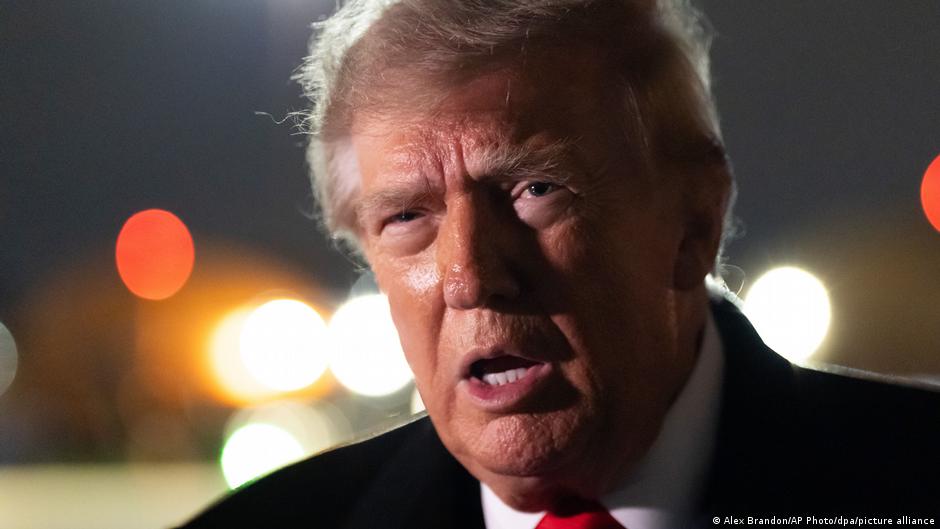
US President Donald Trump has postponed what he described as “hellish sanctions” against Russia, choosing to preserve negotiations over the war in Ukraine and discourage Moscow from increasing its support for Iran. The decision leaves investors facing continued uncertainty over a sanctions package that could sharply alter trade flows, energy prices and the risk outlook for exposed companies and sovereign borrowers.
Trump said he would impose the measures whenever he considered the timing appropriate. In a post on Truth Social on Sunday, Oct. 18, he argued that acting now could drive Russia away from negotiations intended to end its war against Ukraine.
“My decision on Russia is very simple. I am currently conducting peace negotiations on the war between Russia and Ukraine, and I do not want to take any steps that could foolishly push Russia away from the negotiating table,” Trump wrote.
The president said “significant progress” had been achieved in discussions with Moscow, particularly on the release of prisoners. He added that signing the sanctions legislation now would produce the outcome he was seeking to avoid, while emphasizing that he retained the option to approve it later.
Tariff threat remains a major market risk
The bill associated with the late Senator Lindsey Graham would impose additional tariffs of 500% on Russian goods. It would also apply tariffs of 100% to products from countries ranked among the five largest buyers of Russian oil and gas, as well as countries most actively helping Moscow circumvent existing sanctions.
For capital markets, the scale and extraterritorial reach of those proposed measures are more consequential than the immediate delay. If activated, the tariffs could affect companies and economies far beyond Russia, particularly those connected to Russian energy purchases, commodity trading, shipping, refining and cross-border supply chains. The threat therefore remains relevant to equity valuations, corporate credit spreads and sovereign risk assessments even while implementation is paused.
The law required Trump to impose the restrictions by Oct. 18 but authorized him to suspend the process when doing so served US national interests. Trump exercised that authority on Oct. 17. The pause removes an immediate policy deadline but does not eliminate the possibility of abrupt implementation, leaving investors to price a continuing geopolitical risk premium rather than a settled policy outcome.
Trump also linked the delay to Iran. He said Russia was providing Tehran with almost no assistance, at least compared with what Moscow could potentially offer, and that he wanted the situation to remain unchanged. His remarks suggest the sanctions decision is being treated as leverage across two geopolitical fronts, increasing the number of political variables that could determine when or whether the tariffs are introduced.
Diesel supply moves to the center of the debate
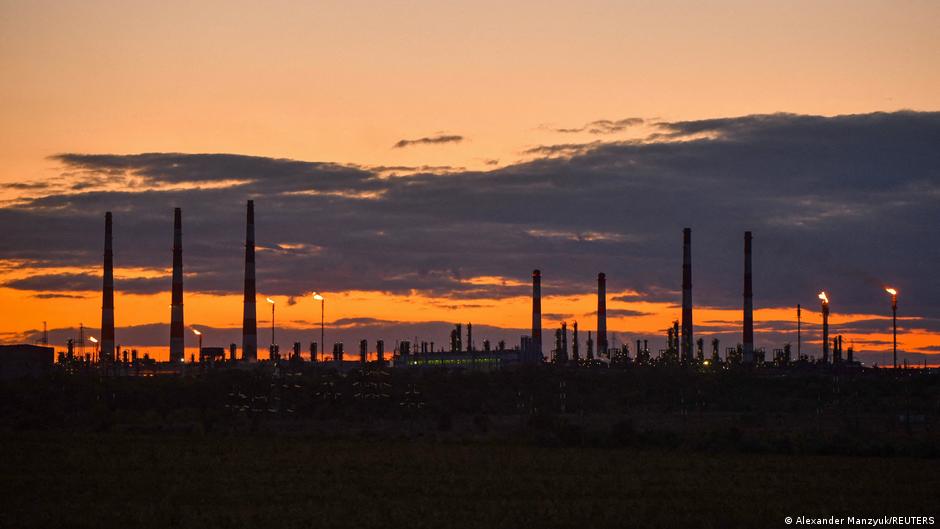
Energy markets featured prominently in Trump’s explanation. He again criticized Ukrainian President Volodymyr Zelensky over Ukrainian armed forces attacks on Russian oil refineries that produce diesel fuel. Trump said Zelensky understood that the strikes were causing serious damage to the global diesel market, including the US market.
The US president argued that farmers, ranchers and businesses across a range of industries were suffering as a result. He also said Russia continued to supply millions of barrels of low-priced diesel fuel to the world market despite the attacks, and accused Zelensky of being indifferent to the economic consequences.
Those comments place refined-product availability, rather than crude oil alone, at the center of the administration’s assessment. Diesel costs feed directly into agriculture, freight and industrial operations, meaning prolonged disruption could pressure company margins and complicate the inflation outlook. At the same time, sanctions severe enough to disrupt Russian supply could amplify the market effects that Trump says he is seeking to contain.
No specific market moves were cited in Trump’s statement. For investors, however, the policy pause may reduce the immediate probability of a sudden tariff shock while preserving substantial headline risk for energy producers, refiners, transport companies and businesses with exposure to major buyers of Russian hydrocarbons.
Ukraine negotiations shape the policy timetable
Trump said he wanted to end Russia’s war against Ukraine and accused Zelensky of lacking a genuine desire to conclude the conflict. He claimed the Ukrainian president could have secured a considerably better agreement two years earlier.
The president further asserted that Ukraine was in ruins, had lost a significant share of its territory, no longer had access to seas and oceans, and had seen its male population reduced through displacement, injury or death. These statements formed part of his argument for prioritizing negotiations over immediate economic punishment of Moscow.
The practical message for markets is that US sanctions policy remains discretionary and closely tied to Trump’s assessment of diplomatic progress. Any deterioration in the talks, change in Russian support for Iran or escalation around Russian refining infrastructure could alter that calculation quickly. Investors must therefore monitor political signals alongside conventional indicators such as oil and diesel prices, inflation expectations, bond yields and the earnings sensitivity of energy-intensive companies.