Canada Military Base Fire Puts Fiscal and Investor Risks in Focus
The deadly training accident in Alberta may sharpen scrutiny of defense oversight, emergency preparedness and future public spending.
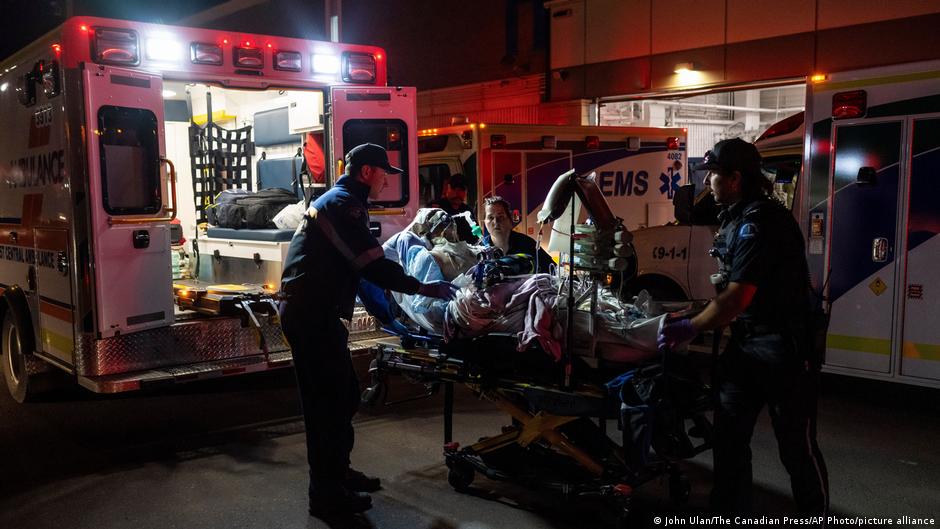
At least four Canadian Armed Forces personnel were killed and dozens were injured after a wildfire swept toward soldiers during a training exercise at Canadian Forces Base Wainwright in Alberta, Prime Minister Mark Carney said on Sunday, Oct. 18.
The disaster has no stated direct impact on Canadian equities or bonds, and the authorities provided no estimate of financial losses. For investors, however, the event introduces questions about operational oversight, emergency preparedness and the potential fiscal costs arising from the response, investigation and any subsequent changes to military training procedures.
Carney described the incident as one of the worst tragedies faced by Canada's armed forces on Canadian soil during peacetime. Families of the four service members who died have been notified, he said at a news conference in Ottawa.
“It is with profound sadness that I must confirm that, at this time, four service members have died, and their families have been notified,” Carney said. “Dozens of others have suffered serious injuries.”
Authorities said 19 people injured in the fire were in critical condition, while approximately 20 others sustained less severe injuries. The scale of the casualties is likely to make the official examination of the exercise and the decisions taken by commanders a matter of national attention.
Fiscal Exposure Moves Onto the Investor Watchlist
The immediate priority is the treatment of the injured and support for affected families. From a capital-markets perspective, the incident may also create unquantified liabilities for the federal government, including medical care, survivor and disability benefits, investigative work, remediation at the base and possible revisions to safety systems.
No cost figures, funding measures or changes to Canada's defense budget were announced in the information provided. That limits the basis for estimating any effect on federal borrowing or the government bond market. A single event at a military installation would not, on its own, establish a material change in Canada's sovereign credit profile. Investors will instead look for evidence of whether the accident exposes broader deficiencies requiring sustained new expenditure across the armed forces.
Potentially relevant questions include whether training standards will be revised, whether additional wildfire monitoring and evacuation capacity will be required, and whether exercises in high-risk areas will face tighter restrictions. Any substantial nationwide program would need to be assessed against Ottawa's existing spending priorities and financing plans.
The fire began during the afternoon of Oct. 18. Military commanders decided not to halt the exercise after the wildfire started, according to the authorities. Strong winds then drove the blaze rapidly across the prairie toward the soldiers. Generals said the flames covered one kilometer in 36 seconds.
That sequence places decision-making and risk controls at the center of the expected scrutiny. Markets typically distinguish between an isolated operational failure and a systemic weakness that could lead to wider spending, legal exposure or leadership changes. The findings of any formal investigation will therefore matter more to investors than preliminary speculation about costs.
Alberta Operations and Listed Companies
Alberta is central to Canada's energy sector, but the reported fire occurred during a military exercise at Base Wainwright. The available account does not identify damage to oil and gas production, pipelines, rail links, utilities or other commercial infrastructure. It also reports no disruption affecting listed companies operating in the province.
Without evidence of broader infrastructure damage, the event does not by itself provide a factual basis for expecting a direct move in Canadian energy shares or commodity prices. Investors in Alberta-linked businesses will nevertheless monitor the fire's perimeter, transport conditions and any official emergency measures for signs that the consequences extend beyond the military site.
Insurers and companies providing services to the federal government may also attract attention as more information becomes available, although no insurance claims, contractor exposure or procurement decisions have been disclosed. Any assessment of corporate winners or losers would therefore be premature.
What Bond and Equity Investors Need Next
For bondholders, the principal signals will be the government's estimate of response costs, any supplementary appropriations and whether new military-wide safety requirements are funded through reallocation or additional borrowing. For equity investors, relevant disclosures would include confirmed damage to civilian assets, interruptions to regional business activity and the involvement of publicly traded contractors.
The political response will also be important. Carney's characterization of the fire as an exceptionally grave peacetime military tragedy raises the likelihood of close public and parliamentary scrutiny. The central issue will be why the exercise continued after the fire began and whether commanders had adequate information, authority and evacuation plans as conditions deteriorated.
Until authorities provide a fuller operational and financial assessment, the market implications remain a risk-monitoring issue rather than a measurable repricing event. The confirmed human toll is already severe: four service members dead, 19 injured people in critical condition and roughly 20 others with less serious injuries after a wind-driven fire advanced across the prairie with extraordinary speed.