US Senate Sanctions Against Russia Prompt Positive Market Response in Europe and Ukraine
New US sanctions targeting Russian energy and finance sectors bolster investor confidence amid geopolitical tensions.
The US Senate's recent approval of a substantial sanctions package targeting Russia has been welcomed by key European and Ukrainian leaders, signaling a coordinated effort to tighten economic pressure on Moscow. The legislation, named after the late Senator Lindsey Graham, focuses on curbing Russian revenues from energy exports, financial institutions, and government officials, marking a significant development in the geopolitical landscape that continues to influence global capital markets.
Market Impact and Investor Sentiment
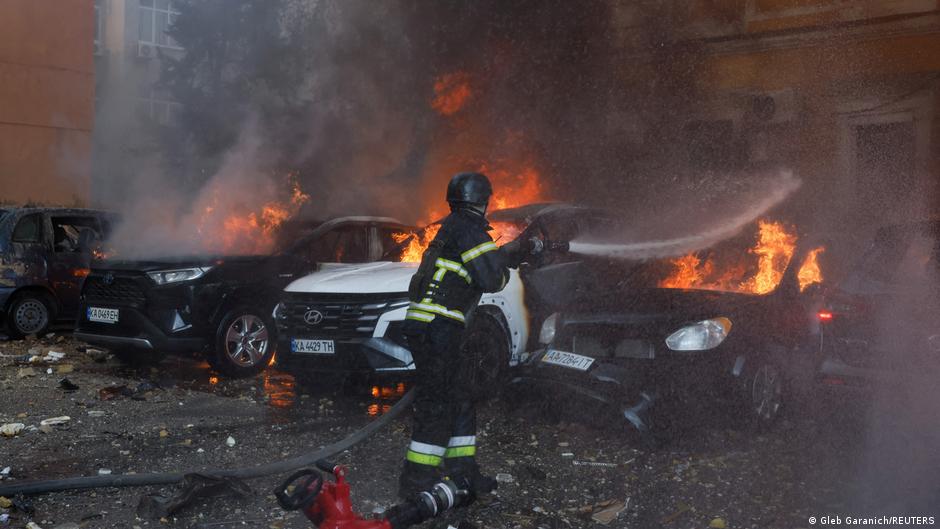
The sanctions include measures against Russian President Vladimir Putin, senior officials, oligarchs, and the so-called "shadow fleet" used to circumvent oil export restrictions. By imposing these broad sanctions, the US aims to diminish Russia's ability to fund its ongoing conflict in Ukraine, which has already caused volatility across equity and bond markets worldwide.
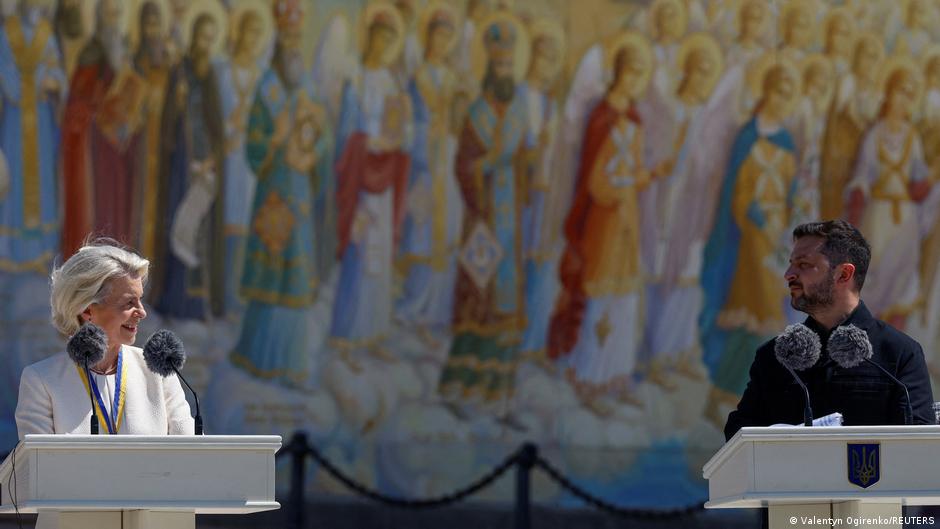
"Together, Europe and the United States can demonstrate the power of historical partnerships when acting in unison," said Ursula von der Leyen, President of the European Commission, emphasizing the potential market implications of coordinated sanctions.
Following the Senate vote, European equities, particularly in sectors exposed to Russian energy dependency, showed cautious optimism as investors anticipated a further tightening of supply constraints. Conversely, European bond markets reflected concerns over potential energy price surges and inflationary pressures due to reduced Russian fuel availability.
Strategic Considerations for Investors
The legislation authorizes the US President to impose tariffs up to 100% on imports from countries heavily reliant on Russian oil and gas, unless they consume less than 15% of their natural gas from Russia and are actively reducing this share. This introduces a new layer of complexity for global trade and investment strategies, particularly for energy and commodity markets.
Investors are advised to monitor how these sanctions could impact energy prices and the broader supply chain, as well as to assess geopolitical risk premiums increasingly priced into equities and fixed-income securities related to the region.
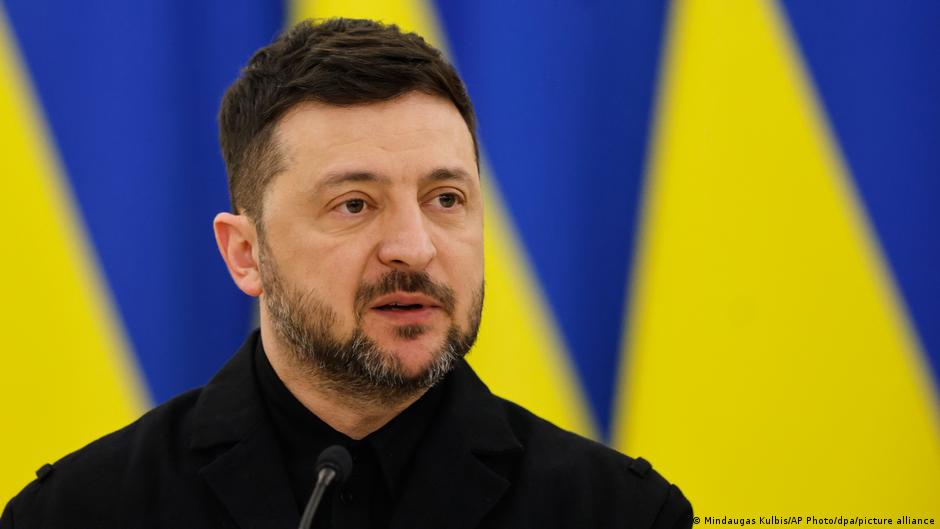
Ukrainian President Volodymyr Zelensky also underscored the urgency of military support alongside economic sanctions, highlighting the ongoing conflict's influence on market stability. His call for advanced air defense systems reflects the intertwining of geopolitical developments and their ramifications on investor confidence and market trajectories.
The bill now advances to the US House of Representatives, with a vote expected after the summer recess. The prospect of further sanctions and tariff implementations continues to shape investor strategies as market participants weigh the potential escalation of economic measures against Russia.