Latvian President Warns NATO to Prepare for Escalation with Russia Amid Defense Spending Concerns
Edgars Rinkēvičs stresses NATO must signal proportional response to Russia and highlights shortcomings in European military capabilities.
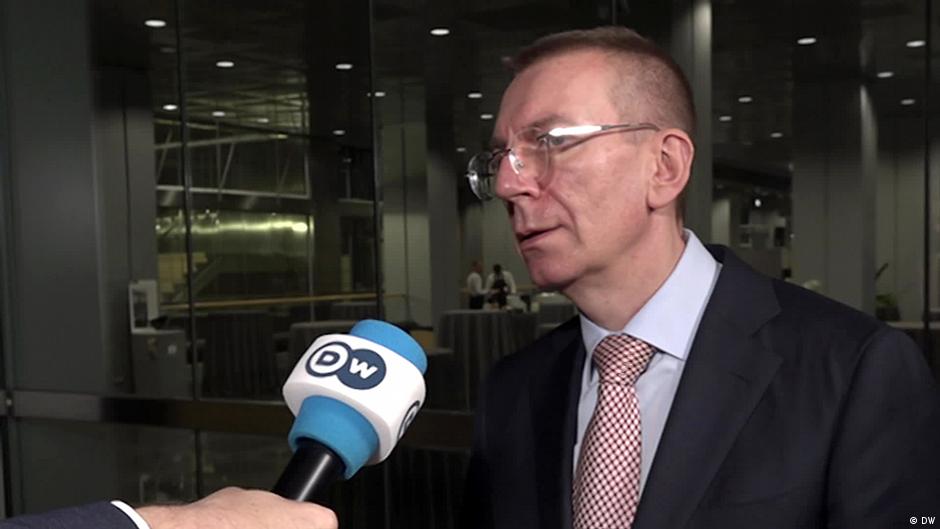
Latvian President Edgars Rinkēvičs has cautioned that NATO must be ready for a possible escalation of conflict with Russia, including the potential for direct confrontation. In an interview on July 3, ahead of the NATO summit in Ankara, Rinkēvičs emphasized that European defense spending remains inadequate, not because of budget sizes alone, but due to insufficient military capacities and real combat readiness.
Implications for Capital Markets and Investors
Rinkēvičs’s remarks come at a critical time for capital markets, as investor sentiment is increasingly influenced by geopolitical risks stemming from the Russia-Ukraine war and NATO’s response. The Latvian president underscored that although NATO members agreed to raise defense expenditures to 5% of GDP last year, this commitment has yet to translate into tangible increases in military hardware such as weapons, missiles, and equipment.
This gap between defense budgets and actual capabilities could substantially impact equities and bonds within the defense sector, as the demand for advanced military technology and armaments is likely to surge if NATO accelerates its rearmament efforts. Investors should watch for increased government contracts to defense manufacturers and shifts in market valuations for companies involved in aerospace, cybersecurity, and defense infrastructure.
"Money is very important, but it is necessary to possess the weapons, rockets, and equipment that can be purchased with these budget funds," Rinkēvičs said.
Moreover, the president highlighted the strategic importance of the United States as an indispensable defense partner for Europe, regardless of political rhetoric within European countries. This suggests ongoing transatlantic cooperation will remain a cornerstone of regional security, providing stability for defense-related investments.
The meeting between the Baltic leaders and German Chancellor Friedrich Merz ahead of the NATO summit also signals stronger regional coordination. Merz's statement that the "security of the Baltics is also Germany’s security" reinforces Germany's commitment to Baltic defense, which could translate into increased public and private investment flows into Baltic and German defense sectors.
For investors, the broader ramifications involve monitoring government policy announcements and defense spending trajectories across NATO, especially in Europe, as these will drive capital allocation decisions. The prospect of intensified military spending may lift defense equities but also introduce volatility in broader markets due to heightened geopolitical tensions.
In summary, while defense budgets are increasing nominally, the focus must shift to actual military capacity expansion. The market response will likely favor companies positioned to supply advanced military equipment and support NATO’s strategic objectives. Fixed income investors should also consider sovereign bonds from NATO countries, where defense spending commitments could affect fiscal dynamics and credit outlooks.