Russian Military Convoys Reverse Course After Ukraine’s Libya Strike
Two Russian military convoys reportedly changed course after Ukraine struck a corvette in Libya, adding geopolitical risk around Mediterranean shipping.

Two Russian military convoys reportedly changed course after Ukraine struck a corvette in Libya, adding geopolitical risk around Mediterranean shipping.

Belarus will restrict Spotify from Dec. 1 over an alleged VAT debt, cutting access for about 58,000 users and halting local subscription revenue.

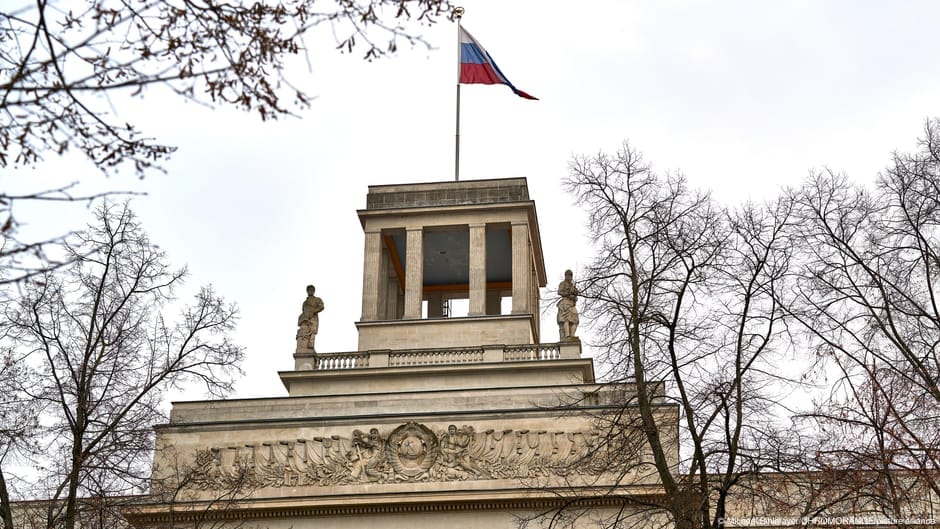
Sweden summoned Russia’s ambassador over incidents involving Poland and Denmark, adding to geopolitical risks monitored by European equity and bond investors.

Ukraine sought to contain fallout from its Benghazi operation as investors weighed risks to energy, shipping, European unity and broader market sentiment.

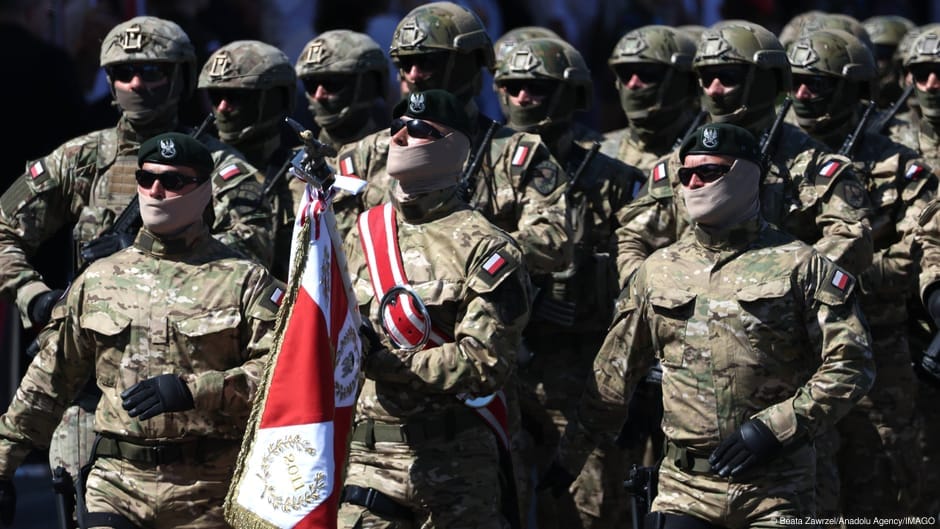
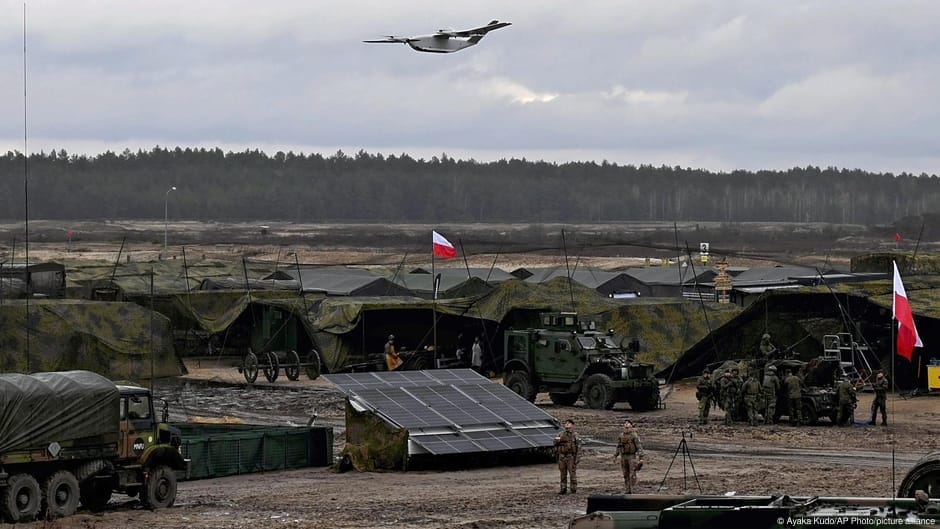
Poland plans an eastern no-fly zone by early 2027, increasing investor focus on regional security, defense spending and geopolitical risk.

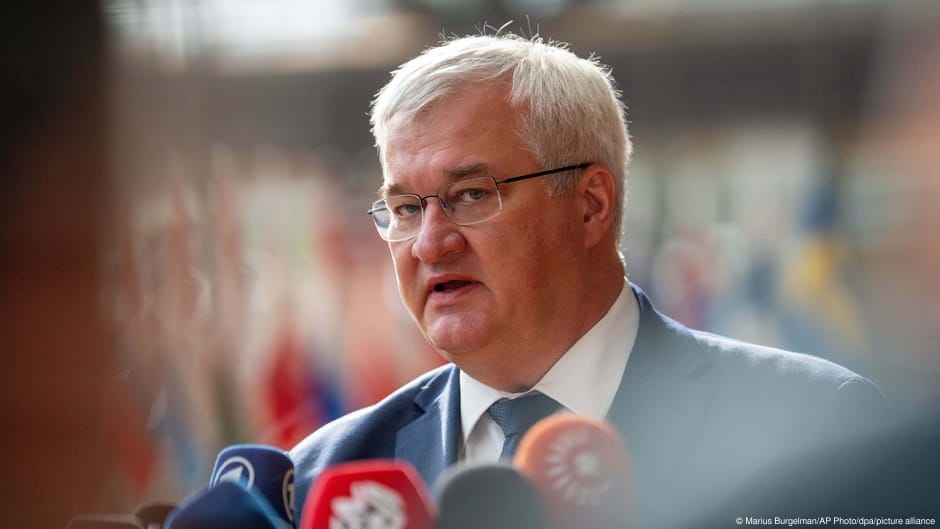
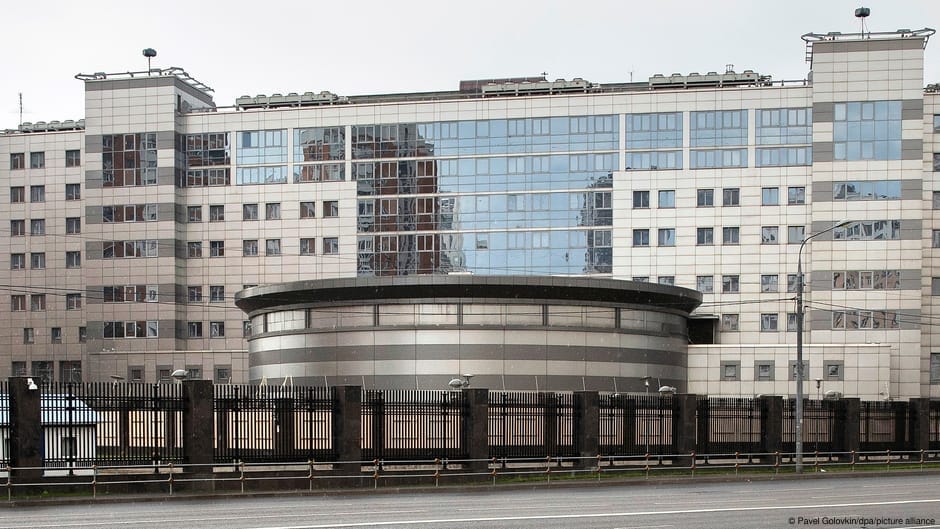
Lithuania’s foreign minister urged the EU to designate Russian military intelligence as a terrorist organization, adding to Europe’s geopolitical risk outlook.

A proposed EU fiscal penalty puts Bulgaria’s widening deficit, borrowing outlook and policy credibility under closer scrutiny from investors.

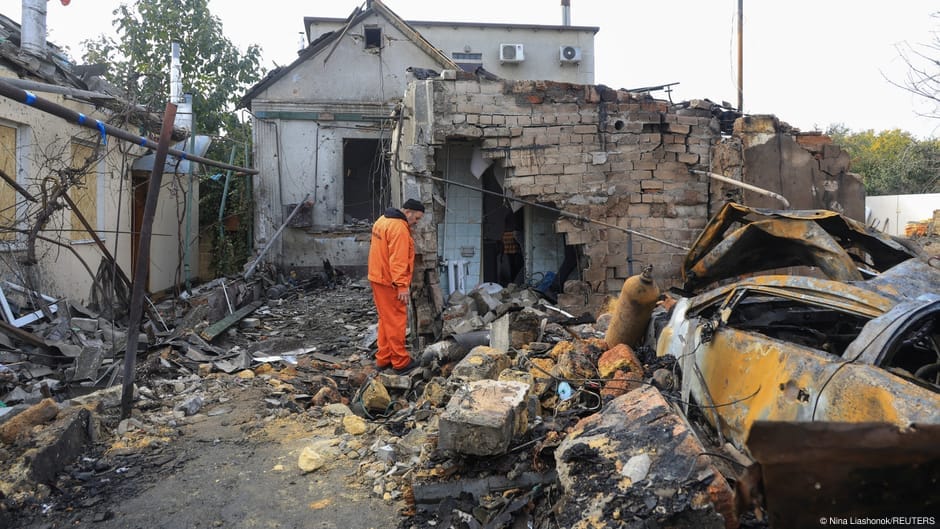
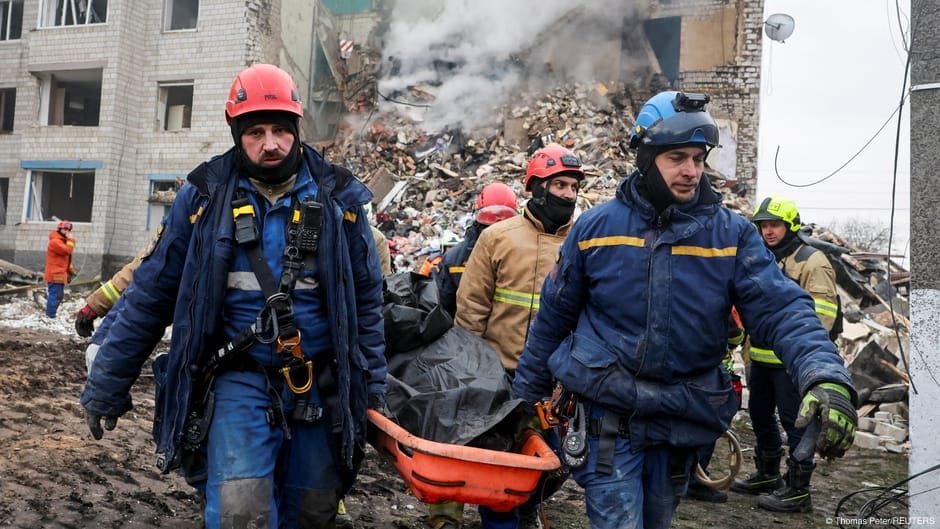
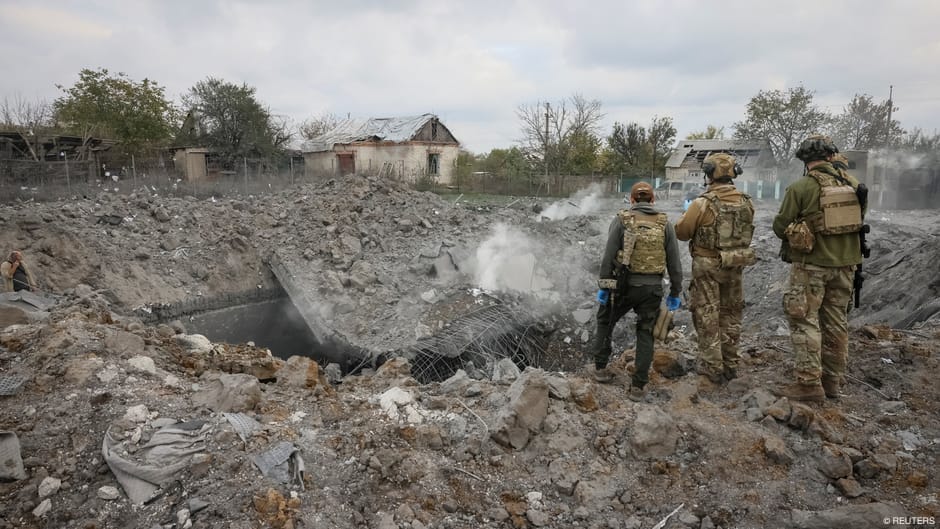
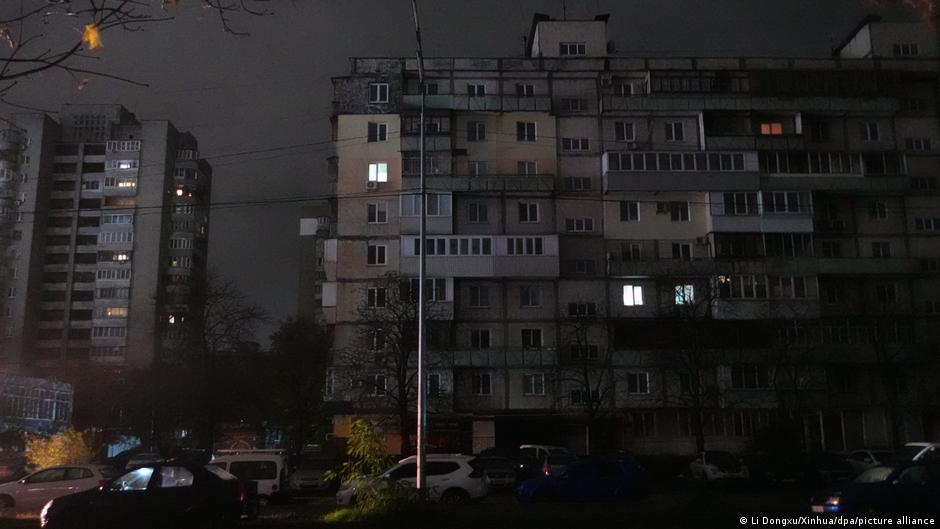
Deadly Russian strikes damaged civilian, commercial and energy assets as Ukraine imposed power restrictions affecting households and industrial activity.

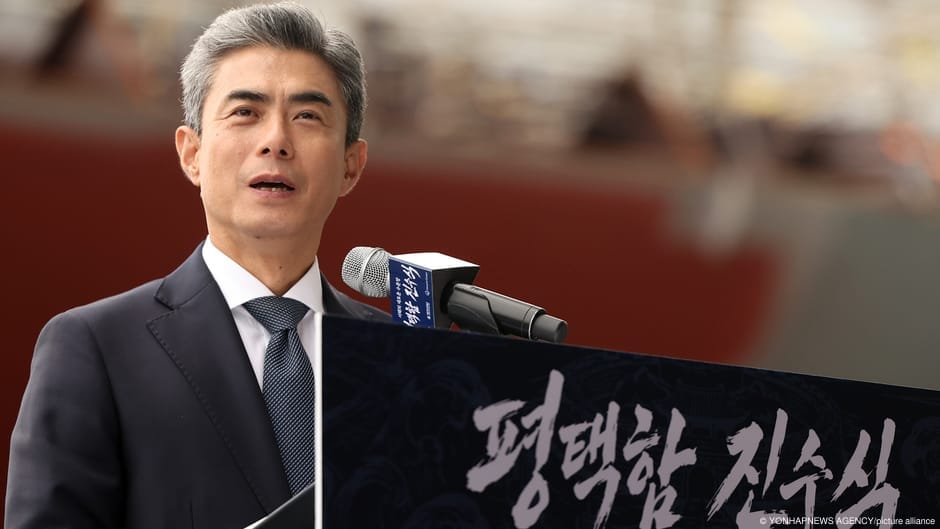
Russian aircraft briefly entered South Korea’s KADIZ, prompting a fighter response and diplomatic protest while adding to Northeast Asia’s risk backdrop.

A Russian drone briefly entered Polish airspace during an attack on western Ukraine, adding to investor concerns over security risks along NATO’s eastern flank.

Russia’s expansion of the Kamenka military base near Finland adds to the long-term security risks monitored by Nordic equity and bond investors.

Deadly Russian strikes damaged homes, shops, businesses and energy infrastructure across Ukraine, renewing concerns over sovereign, corporate and reconstruction risks.

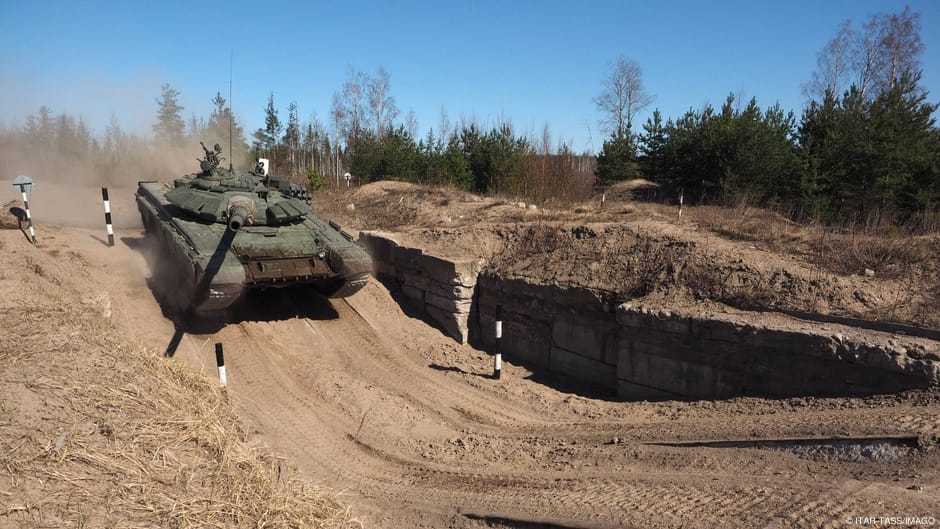
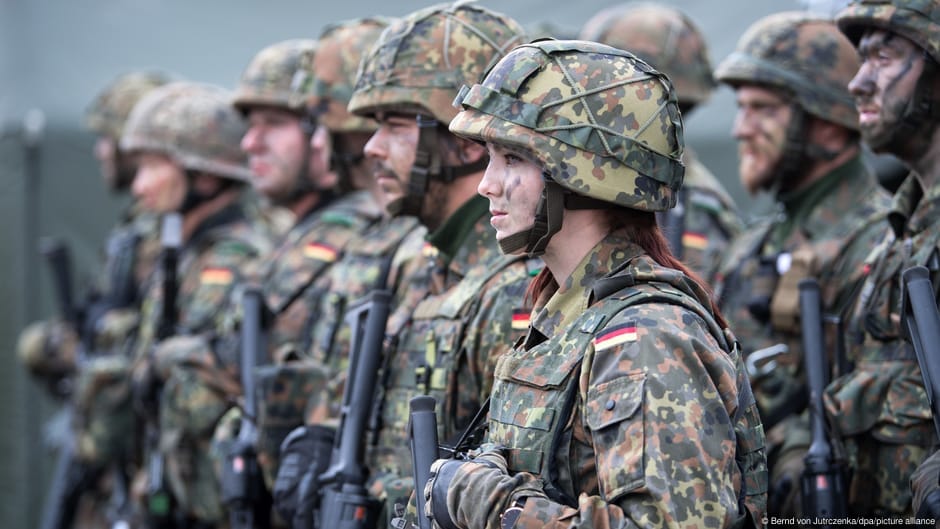
Germany will move tanks to Lithuania by rail rather than driving through Poland, limiting provocative imagery as markets monitor NATO-Russia tensions.

Trump is seeking a Ukraine peace deal before Democrats take Congress, raising uncertainty for defense, energy and sovereign-debt investors.

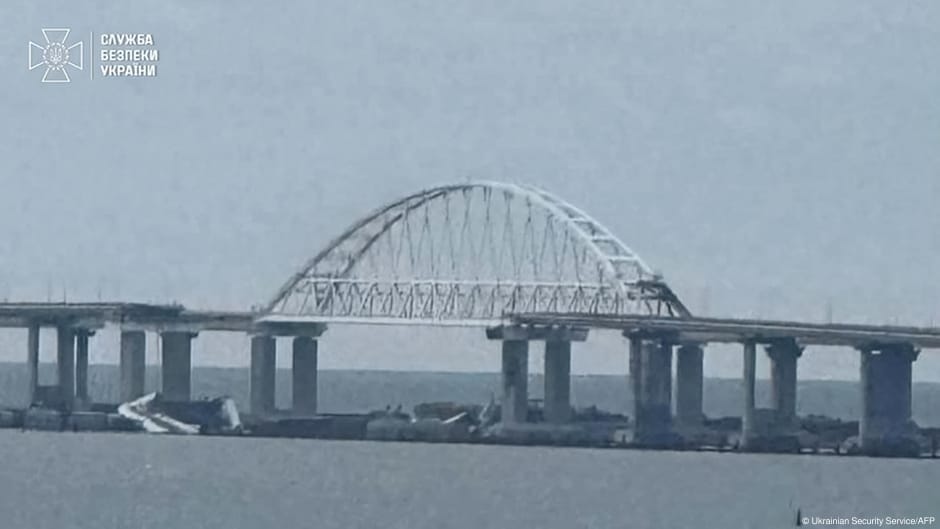
Zelensky warned the Crimea Bridge will not survive, while severe road and rail damage creates uncertain repair, logistics and fiscal risks.

Germany and Poland aim to finalize a defense action plan by January, putting arms production, secure supply chains and advanced technology in focus for investors.

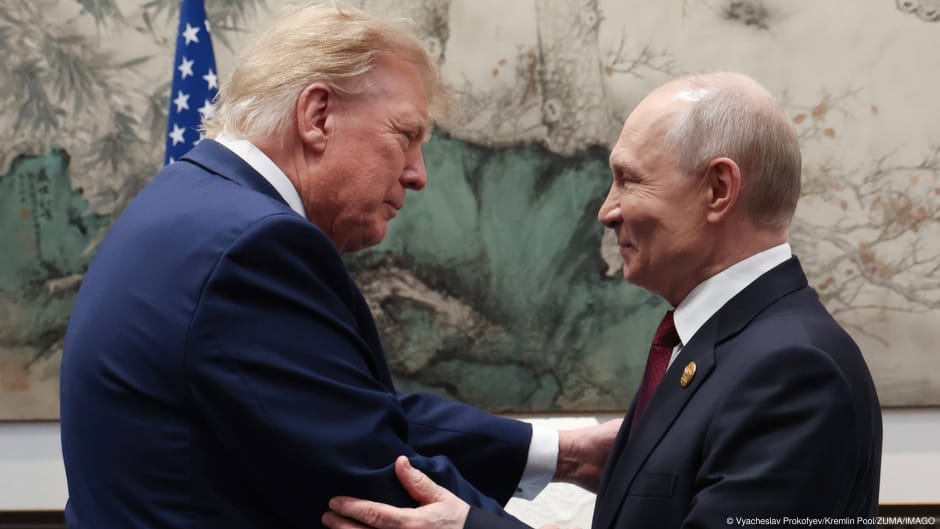
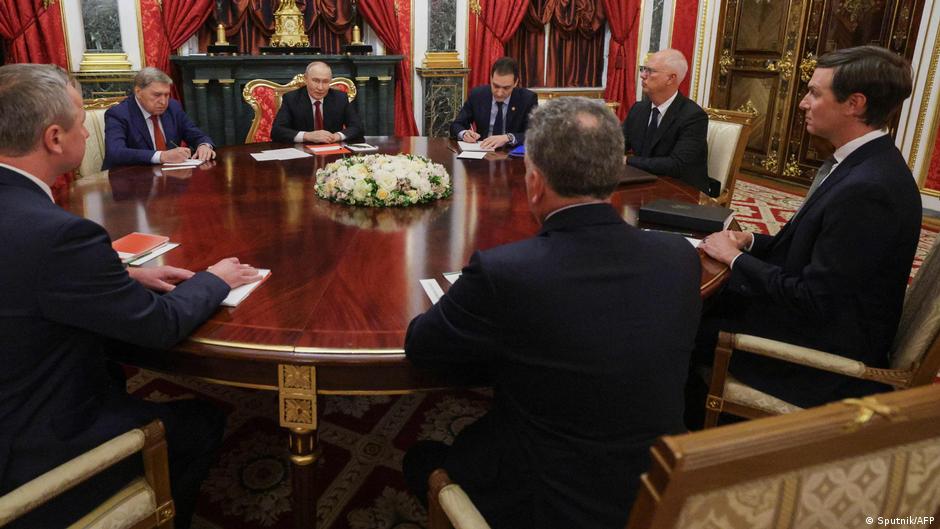
Trump backed Kyiv’s direct role in decisions on the war, but a US-China-Russia summit offered investors no concrete path toward de-escalation.

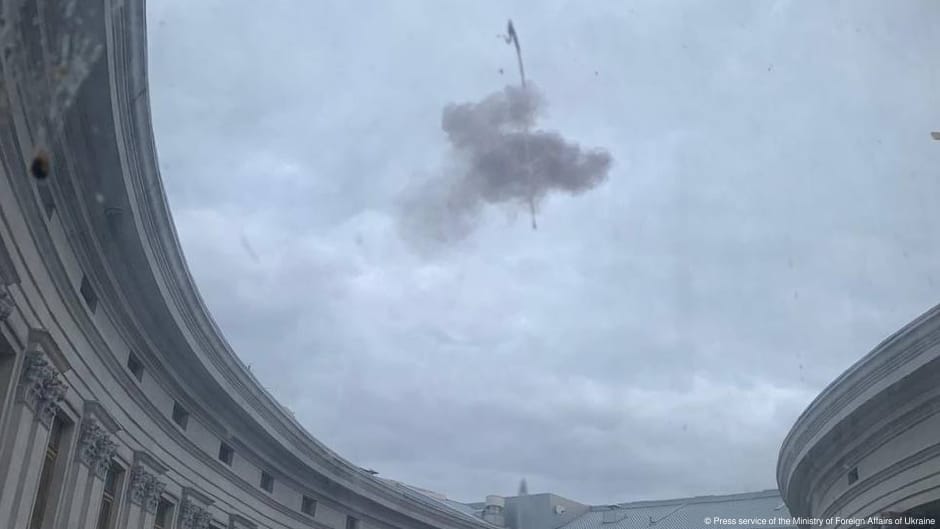
Ballistic missile strikes damaged Kyiv bridges and buildings, renewing investor scrutiny of infrastructure, energy security and Ukraine-related risk.

Elbridge Colby’s early exit from NATO talks exposes policy divisions that may affect European defense stocks, sovereign bonds and geopolitical risk premiums.

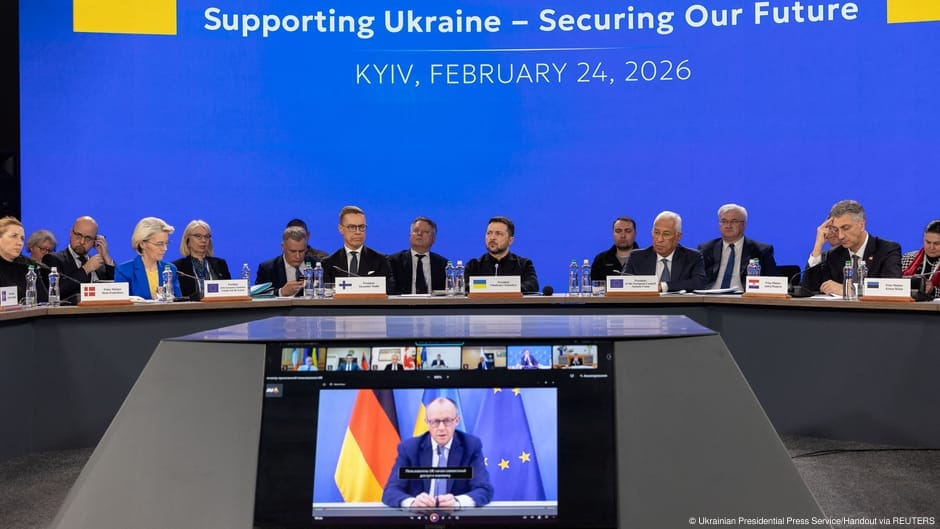
European leaders meeting in Berlin will put €230 billion in military aid and EU financing, defense procurement and sovereign funding under investor scrutiny.

The confirmed toll from the Kamysevakha humanitarian-center strike reached 72, highlighting persistent security and financing risks for Ukraine-focused investors.

A German poll shows broad concern about Russia but a near-even split on restoring Russian energy imports, underscoring risks for defense, industrial and bond investors.

Kyiv is seeking a unified European negotiating position while pressing allies for air-defense missiles and additional energy support.

The Pentagon plans to withdraw about 5,000 US troops from Europe rather than 25,000, reducing security uncertainty while sustaining NATO defense spending.

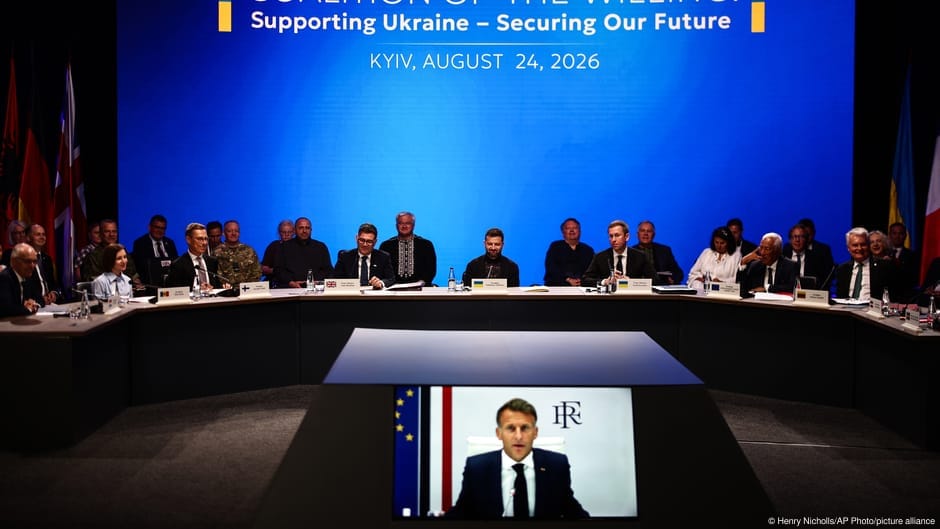
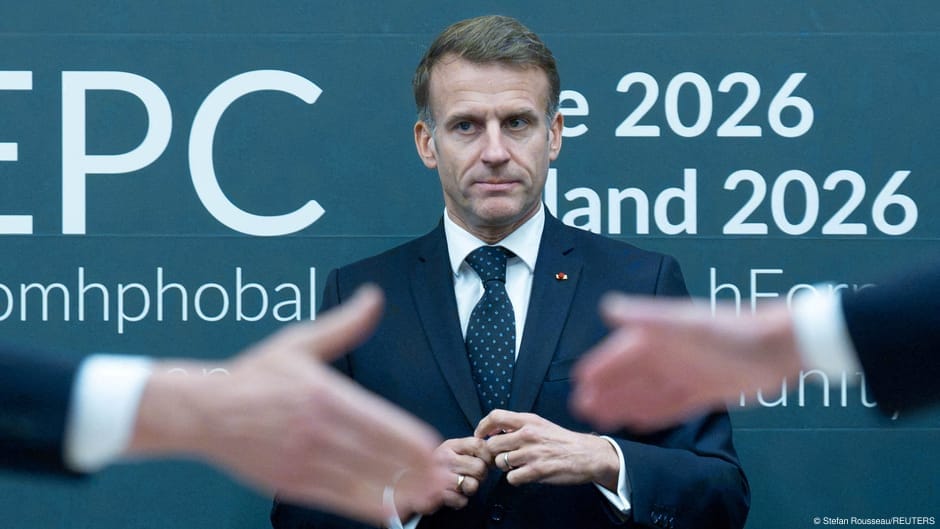
Macron’s call for sustained Ukraine support puts Europe’s security commitments on a collision course with mounting national budget constraints.

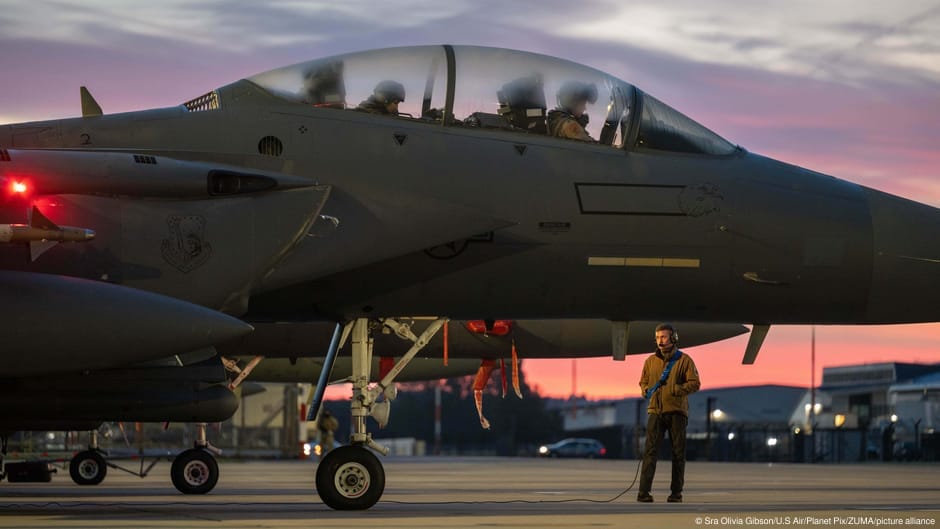
Suspected drone activity at RAF Lakenheath caused no reported damage but adds to investor concerns over geopolitical risk and infrastructure security.

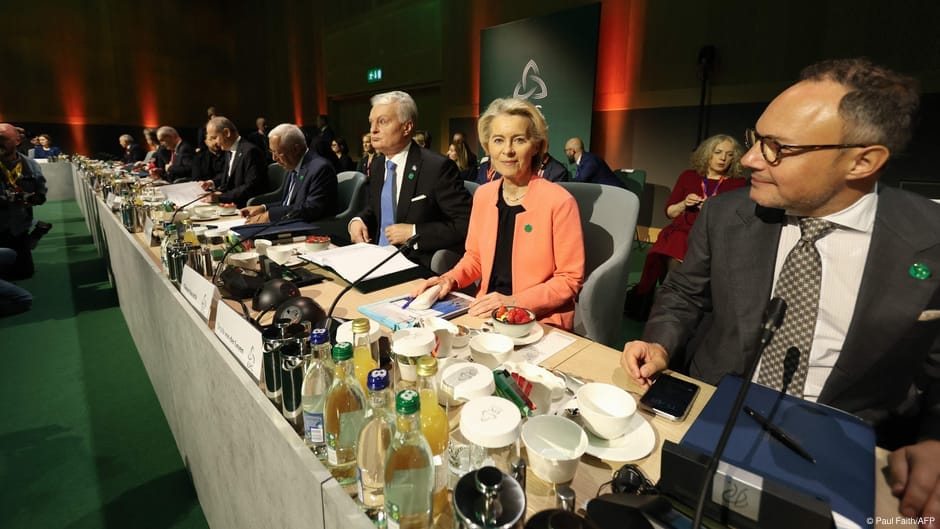
Nearly 40 European states adopted a security charter that puts defence spending, cybersecurity and sovereign financing in focus for investors.

Russia and Ukraine agreed to include European partners in the next peace talks, putting postwar security and regional geopolitical risk in focus for investors.

Kyiv and Moscow discussed exchanging up to 3,000 prisoners as talks expanded toward energy, Black Sea security and possible leader-level diplomacy.

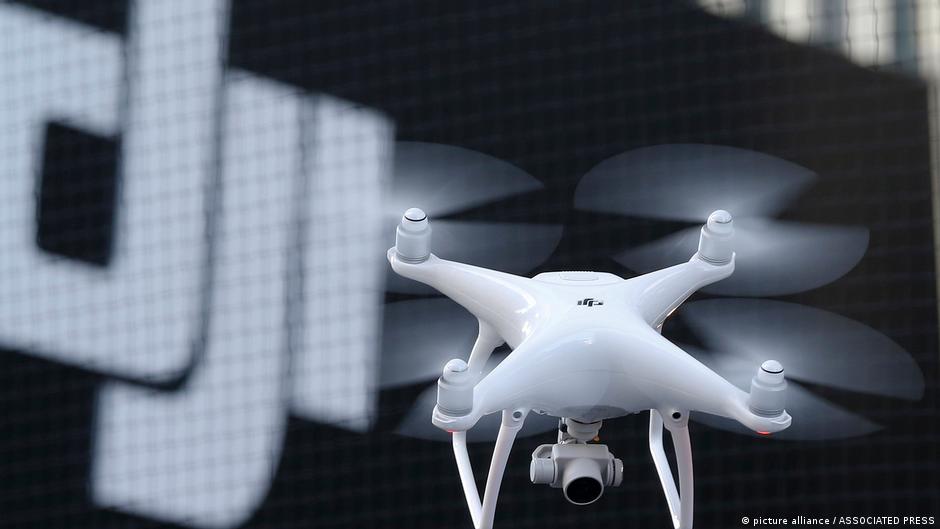
Germany’s military ban on Chinese drones and cars at sensitive sites raises regulatory risks for Chinese manufacturers and opportunities for European suppliers.

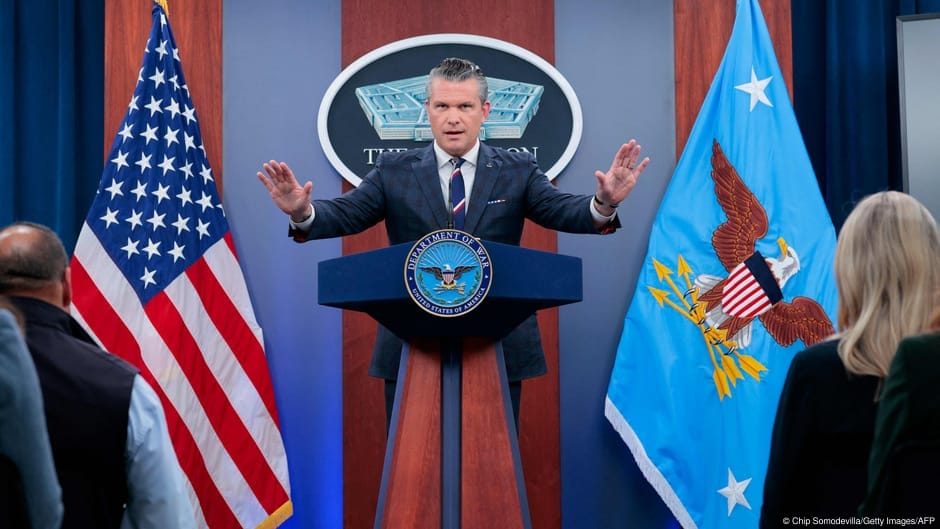
House Republicans sent the Hegseth impeachment resolution to committee, delaying the challenge until Democrats take control of Congress in January.

The EU extended its Ukraine military training mission through November 2028, adding nearly €300 million as investors assess defense demand and fiscal risks.

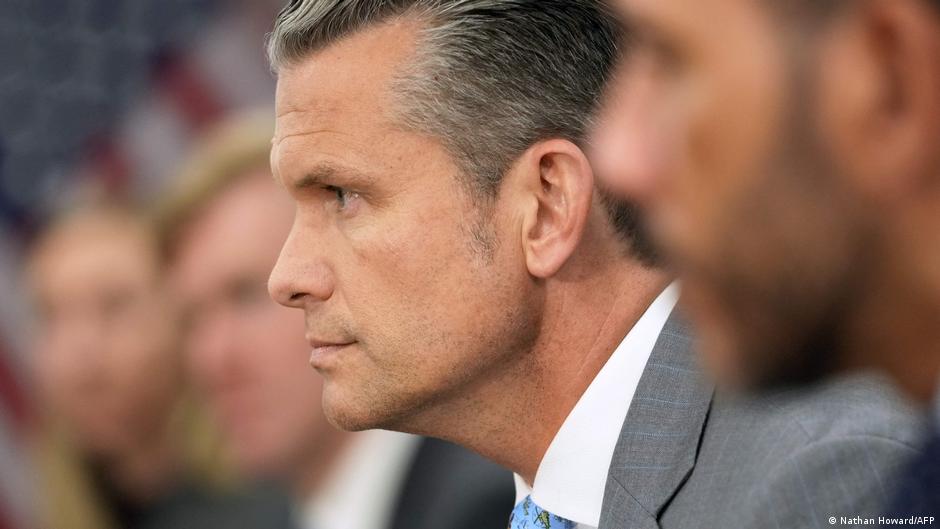
A Republican bid to impeach Defense Secretary Pete Hegseth adds political uncertainty for investors monitoring the Iran war, energy, defense stocks and bonds.

Gadi Eisenkot will receive a mandate to form Israel’s government, placing coalition arithmetic and political risk at the center of investor attention.

Peña’s detention compounds a banking crisis that has frozen access for about three million Ueno customers and affected pension funds, businesses and state bodies.

A clash between Zelensky and Kyiv Mayor Vitali Klitschko highlights energy infrastructure and political risks facing investors in Ukraine.

Reported damage at Oryol’s Proton optoelectronics plant puts renewed focus on supply-chain, operational and credit risks across Russia’s defense industry.

At least 350 Russian conscripts have been confirmed killed in the Ukraine war, sharpening investor concerns over transparency, fiscal costs and geopolitical risk.

Germany plans an extra €100 million for Ukraine’s critical infrastructure, highlighting winter energy risks and Europe’s continuing fiscal exposure.

Zelensky expects stronger US aid after the Democrats’ congressional victory, putting defense spending, sovereign borrowing and European risk assets in focus.

Mikhail Khodorkovsky urged Europe to offer Russian elites a path away from Putin while warning that a violent transition could deepen geopolitical and market risks.

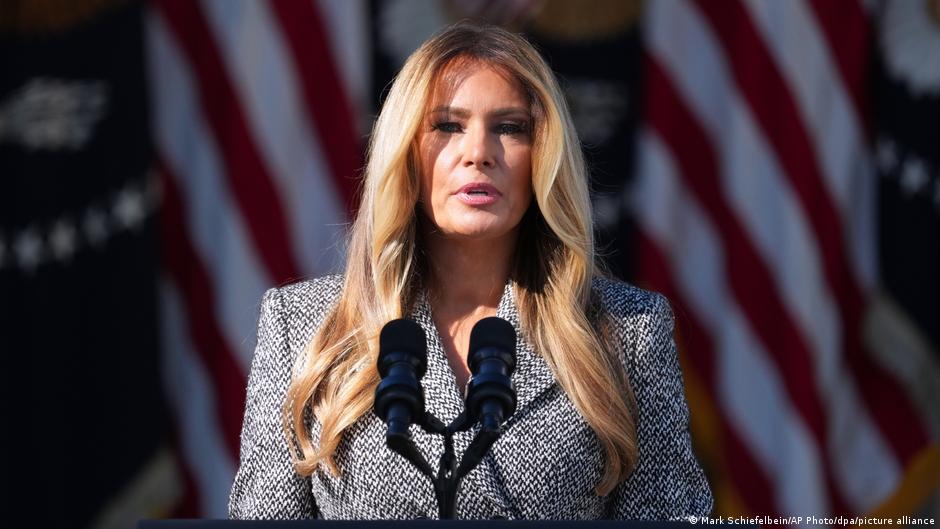
Melania Trump will discuss the Oleshky ceasefire with Russian and Ukrainian representatives as markets watch for signs of broader de-escalation.

False nuclear and radiation alerts in Ukraine and Russia highlight cyber vulnerabilities and the risk of headline-driven volatility for regional investors.

A US proposal to restart Russian gas transit through Ukraine could reshape European energy costs, sanctions risks and the outlook for LNG-linked investments.

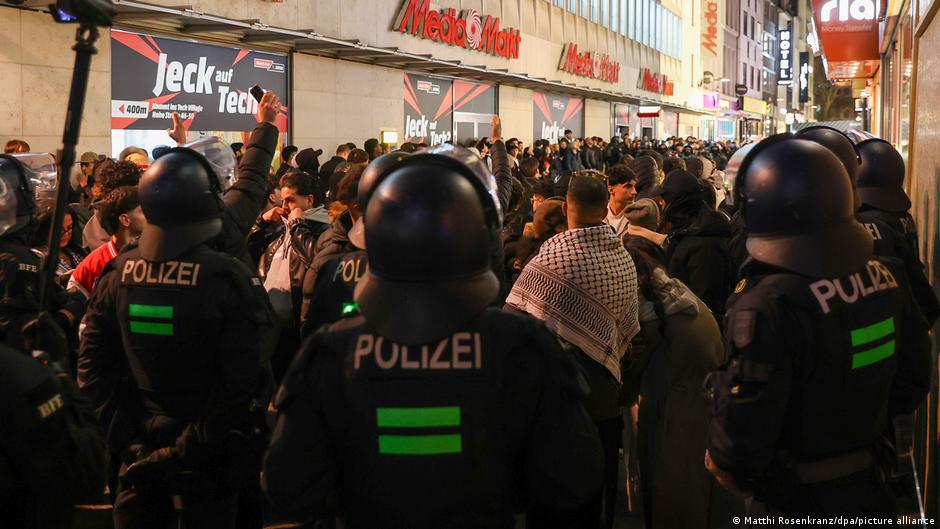
Youth protests across Germany turned violent, disrupting major cities and putting fiscal policy, consumer pressures and political risk on investors’ watchlists.

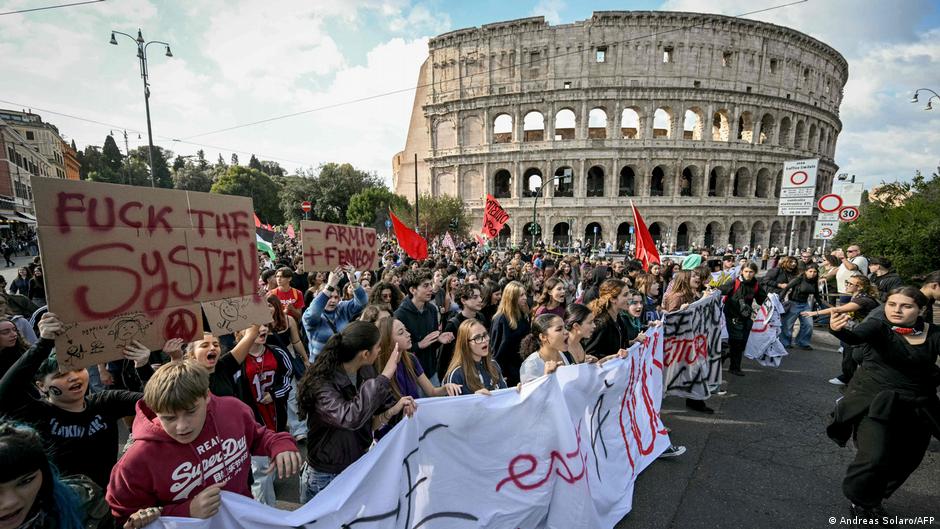
Italy’s general strike and mass cost-of-living protests put fiscal priorities, social stability and potential risks to Italian assets under investor scrutiny.

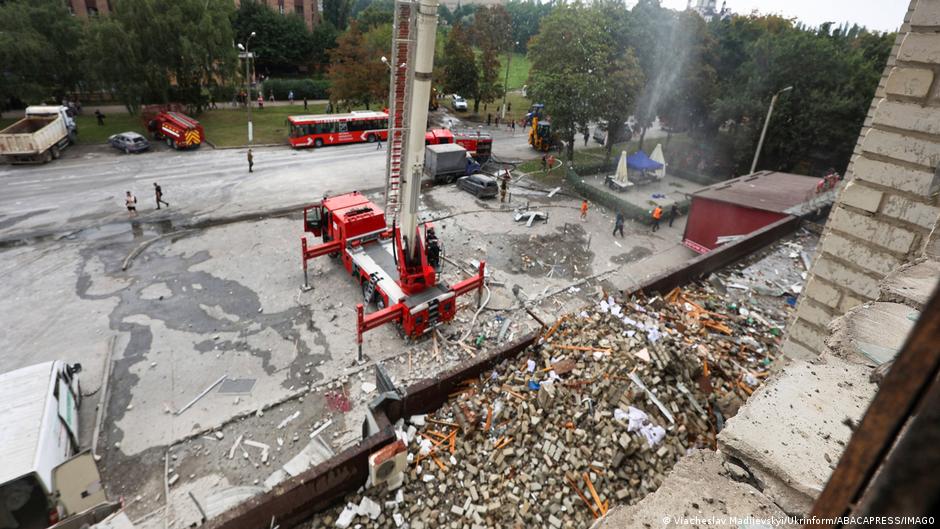
Russian strikes killed civilians and damaged transport, industrial and commercial assets across Ukraine, renewing infrastructure and reconstruction risks.

A reported Ukrainian pause in attacks on Russian refineries may ease near-term fuel supply risks, but its informal and reversible nature leaves investors exposed to renewed volatility.

New UK and Dutch aid for Ukraine combines defense spending, export guarantees and reconstruction funding, drawing investor attention to fiscal risks and future contracts.

The Pentagon watchdog redirected a bipartisan request to probe Starlink disruptions, raising governance and contracting questions for defense investors.