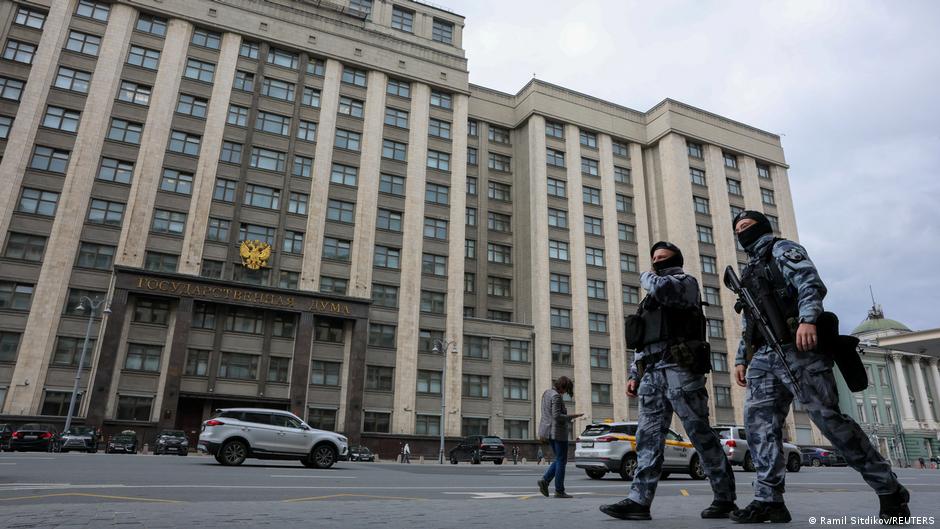
Russian Strikes Kill Four in Ukraine as War Risk Stays Central for Markets
Fresh attacks on Kherson, Odesa, Sumy and the Kyiv region underscored the conflict risk still shaping investor views on Ukraine and Europe.
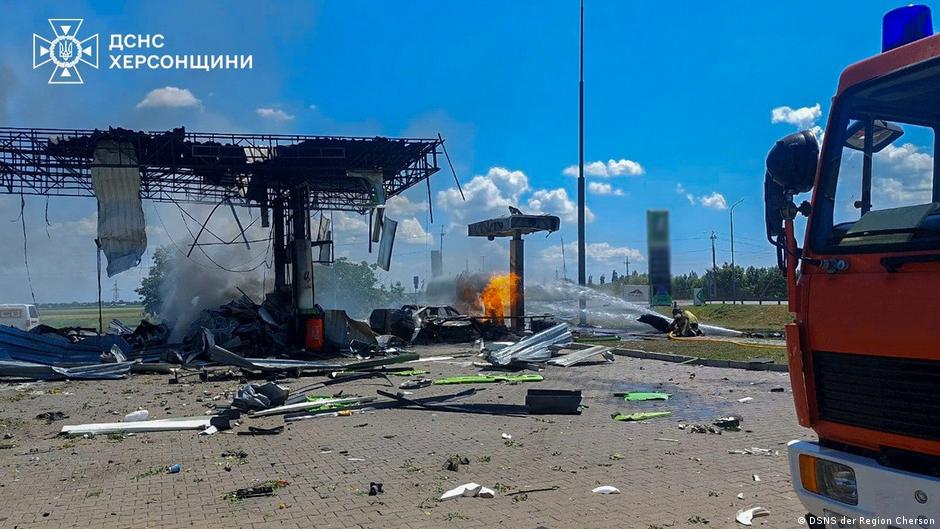
Four people were killed in Ukraine after a new wave of Russian attacks struck several regions, adding another reminder for investors that geopolitical risk remains a live factor across European markets, regional credit, commodities and defense-linked equities.
Two people died in the Kherson region after a Russian drone strike hit the settlement of Tekstylne on Friday evening, September 18, according to regional military administration head Oleksandr Prokudin. Two more people were reported killed in Sumy after a strike involving a guided aerial bomb hit a residential high-rise building.
The attacks came as Ukraine continued to face pressure across multiple regions, including Odesa and the Kyiv region. For capital markets, the immediate significance is less about a single incident than about the persistence of escalation risk. Repeated attacks on civilian infrastructure, administrative buildings, warehouses and residential areas keep the war embedded in investor calculations around sovereign risk, reconstruction financing, insurance, logistics and energy security.
Regional Strikes Keep War Premium in Focus
In Kherson region, Prokudin said the drone strike in Tekstylne occurred at about 18:00 on Friday. He wrote that two men suffered injuries that were incompatible with life.
Two men received injuries incompatible with life after the enemy drone strike, Prokudin said in a Telegram post.
Throughout the evening, Prokudin repeatedly reported air-raid alerts in the region, including warnings linked to possible Russian launches of guided aerial bombs. Kherson city also saw an attack on one of its hospitals on September 18, when a drone dropped explosives on the grounds of the facility. No casualties were reported in that case.
Odesa region emergency officials reported the aftermath of further Russian attacks on September 18. A strike hit an 11-story administrative building, causing a fire. After emergency services arrived and were working at the scene, the same building was attacked again. Ten people were reported injured, including two rescuers.
Odesa was attacked again overnight into September 19. After an air-raid alert in the city and reports that small Russian missiles were approaching, local residents posted footage on social media showing a fire that had broken out in a residential building inside the city. Initial details about that incident were not provided.
Sumy also came under Russian attack on the evening of September 18. One projectile hit a multi-story residential building, with reports indicating it was a guided aerial bomb. The explosion damaged several apartments and caused part of the building to collapse. According to preliminary data from local authorities, at least two people were killed and seven others were injured.
The Kyiv region military administration also reported consequences from new Russian strikes on the evening of September 18. Regional administration head Timur Tkachenko said two men were injured in the Bucha district after warehouse facilities were hit. Warehouse facilities were also damaged in the Boryspil district.
Investor Lens: Risk, Funding and Defensive Positioning
For investors, the latest attacks reinforce a familiar but important market theme: the war continues to impose a risk premium on assets tied to Ukraine, nearby economies and sectors exposed to security, logistics and infrastructure disruption. The reports did not include financial market data or official estimates of economic damage, but the pattern of strikes matters because it can affect expectations around public spending, donor support, reconstruction needs and private-sector investment appetite.
Equity investors typically assess such developments through several channels. Defense and security-related companies can remain in focus when attacks demonstrate continuing demand for air defense, surveillance, drones, counter-drone systems and emergency-response equipment. Infrastructure and construction firms may also be watched over a longer horizon because repeated damage to buildings, warehouses and public facilities adds to the scale of eventual repair and rebuilding needs.
At the same time, companies with exposure to transport, ports, storage, insurance or regional supply chains may face renewed attention when Odesa and warehouse facilities in the Kyiv region are hit. Odesa is strategically significant for Ukraine’s economy, and any evidence of repeated strikes in or around the city can sharpen investor sensitivity to operational risk, even when immediate commercial consequences are not specified in official reports.
In bond markets, the events add to the broader backdrop against which investors judge Ukrainian sovereign risk and the durability of international support. Continued attacks on civilian and administrative infrastructure can strengthen the case for sustained fiscal assistance, but they also underline the pressure on public finances, emergency services and regional administrations. Credit investors are likely to keep focusing on the balance between wartime funding needs, external backing and the long-term reconstruction burden.
The strikes also matter for European investors beyond Ukraine. The war has repeatedly influenced sentiment toward energy security, defense budgets and regional political risk. Even without a direct market price move tied to the latest reports, fresh attacks in multiple Ukrainian regions can reinforce a cautious tone in portfolios exposed to Eastern Europe or to companies reliant on stable cross-border logistics.
The human cost remains central: at least four people were reported killed in the latest attacks described by Ukrainian officials, with additional injuries in Sumy, Odesa and the Kyiv region. For markets, the key takeaway is that the conflict’s operational and financial implications remain current, not historical. Investors weighing equities, bonds and sector exposure across Europe must continue to account for a war environment in which drones, guided bombs and missile alerts can affect civilian areas, public facilities and logistics assets with little warning.