Russian Drone Strikes Hit Ukraine’s South as War Risk Stays in Focus
Attacks on Zaporizhzhia and Odesa regions killed at least three civilians and kept attention on infrastructure risks facing investors.
Russian strike drones attacked Ukraine’s southern Zaporizhzhia and Odesa regions overnight on Sunday, September 27, killing at least three civilians and wounding four others, according to preliminary information from local authorities. The attacks underscored the continuing security risks around Ukraine’s transport, port and civilian infrastructure, a factor closely watched by investors assessing the war’s effect on regional assets, commodities and broader risk sentiment.
Acting head of the Zaporizhzhia military administration Mykhailo Semykin said Russian forces struck the settlement of Kamyshevakha and the village of Novotavriiske. Preliminary figures cited by the authorities put the toll in Zaporizhzhia region at three civilian deaths and four injuries.
In Novotavriiske, Russian troops attacked a car that was driving through the village, Semykin said. After the strike, the vehicle caught fire. A man and a woman died at the scene, according to his account. In Kamyshevakha, one house was destroyed and several nearby homes were damaged, local officials added.
Preliminary information from local authorities said three civilians were killed and four others were wounded in Zaporizhzhia region.
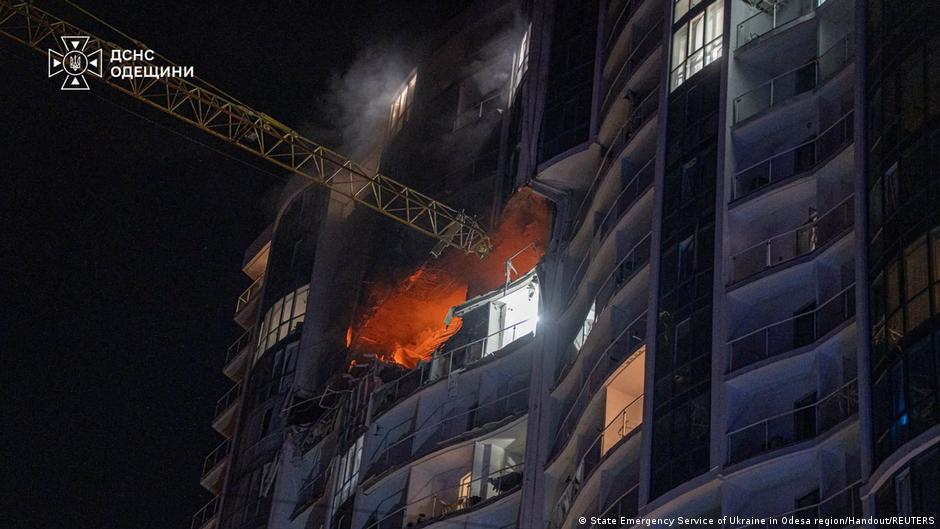
Separately, Russia struck port and civilian infrastructure in the city of Kiliya in Odesa region, the Izmail district administration reported. According to preliminary information, no one was injured in that attack. A fire that broke out at the site of the strike was extinguished by emergency services.
Infrastructure Risk Remains Central for Markets
For capital markets, the immediate significance of the latest attacks lies less in a single overnight episode than in the persistence of war-related infrastructure risk. Odesa region is central to Ukraine’s access to the Black Sea and Danube-linked trade routes, while strikes on civilian and port facilities can affect expectations around logistics, insurance costs, export reliability and the wider risk premium attached to the region.
Investors have repeatedly treated attacks on Ukrainian infrastructure as potential catalysts for volatility in assets exposed to the war, including agricultural commodities, energy-linked instruments, shipping and insurance names, and European equities sensitive to regional security headlines. The report that port and civilian infrastructure in Kiliya was hit is therefore relevant even though local authorities said no casualties were reported there and the fire was put out.
Bond investors are also likely to keep watching the pattern of attacks because infrastructure damage can influence the fiscal burden on Ukraine, the scale of future reconstruction needs and the assumptions behind external financing. Civilian casualties and damage to housing in Zaporizhzhia region add to the humanitarian and economic strain that has remained a core variable in assessments of Ukraine’s sovereign and quasi-sovereign outlook.
The latest strikes come at a time when markets have continued to price the war as an unresolved geopolitical risk rather than a contained regional event. For global investors, that means each attack on logistics corridors, port facilities or civilian infrastructure can feed into broader assessments of supply disruption, inflation risk and Europe’s defense and reconstruction spending trajectory.
Equity markets may not react mechanically to every battlefield or infrastructure headline, but the cumulative effect matters. Companies with exposure to Black Sea trade, grain flows, transport, rebuilding materials, defense procurement and European energy security remain sensitive to the perceived intensity and duration of the conflict. The reported attacks on Zaporizhzhia and Odesa regions reinforce the view that the war continues to create event risk for sectors tied to regional stability.
Investor Takeaway
The confirmed facts from local officials remain preliminary: three civilians were reported killed and four wounded in Zaporizhzhia region; a car was struck in Novotavriiske, killing a man and a woman at the scene; a home was destroyed in Kamyshevakha and nearby houses were damaged; and port and civilian infrastructure in Kiliya was hit without reported injuries, while emergency crews extinguished a fire.
For investors today, the key issue is continuity of risk. The attacks did not introduce a new market theme, but they reinforced an existing one: Ukraine’s southern regions remain exposed to drone strikes that can damage civilian life, transport infrastructure and facilities connected to trade. That exposure continues to shape how markets evaluate regional equities, debt instruments, commodity flows and the risk premium tied to the war.
As more information becomes available from local authorities, markets will be watching whether the damage in Odesa region has any operational impact on port or logistics activity. Until then, the episode adds another data point to the conflict’s continuing drag on investor confidence in assets most exposed to Ukraine’s infrastructure and security outlook.