G20 Invitation Puts Putin’s Ukraine Signals in Focus for Global Markets
Germany says a ceasefire would be the key test of Moscow’s negotiating intent as investors weigh geopolitical risk into year-end.
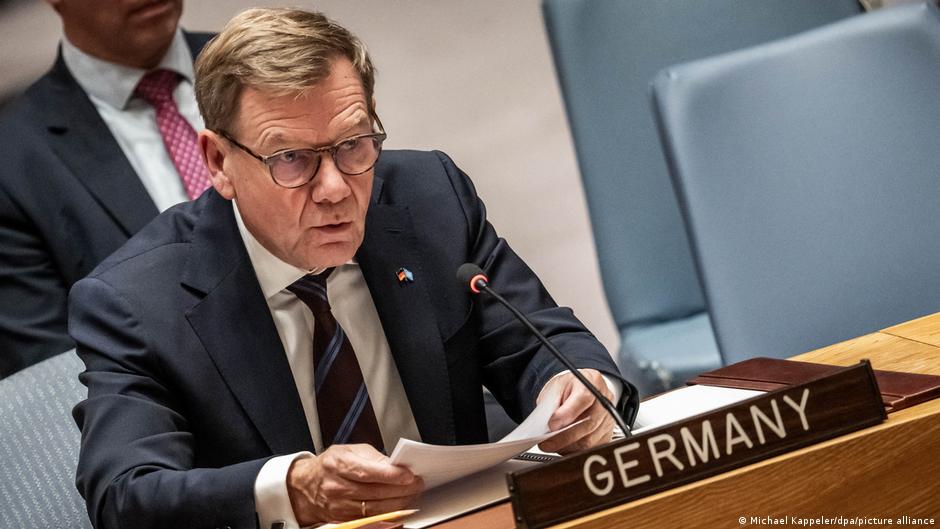
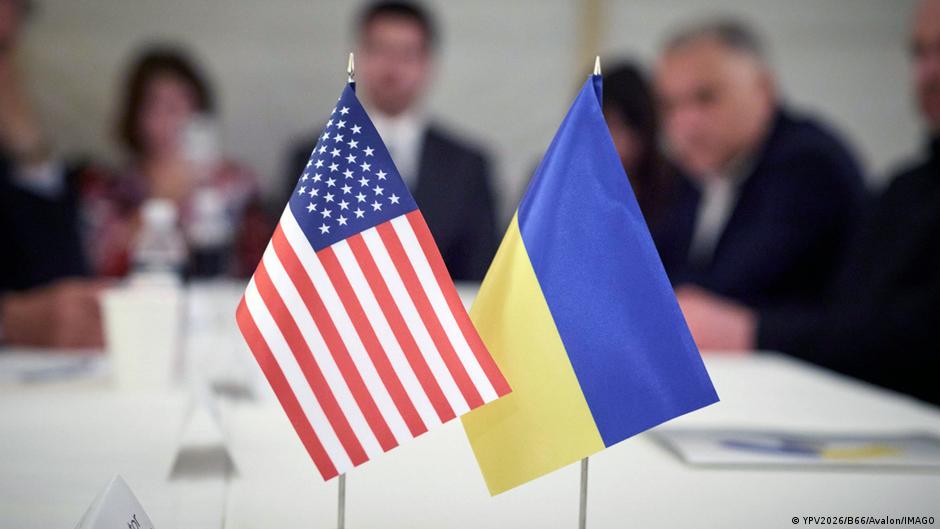
A U.S. invitation for Russian President Vladimir Putin to attend the December G20 summit in Miami is emerging as a geopolitical test with direct implications for investors watching risk assets, sovereign bonds and energy-sensitive trades. German Foreign Minister Johann Wadephul said the possible appearance of the Russian leader at the gathering would be a “litmus test” of the Kremlin’s readiness to enter serious negotiations with Kyiv over ending the war in Ukraine.
Speaking Friday, Sept. 25, in Ottawa after meeting Canadian Foreign Minister Anita Anand, Wadephul said Germany and other Western allies of Ukraine have repeatedly called on Russian authorities, and Putin personally, to return to the negotiating table. The clearest signal of readiness for substantive talks, he said, would be a ceasefire in Ukraine.
For capital markets, the comments add another diplomatic variable to an already crowded calendar heading into December. Investors have spent much of the war pricing recurring geopolitical shocks through energy markets, defense equities, European industrial sentiment, currency volatility and the safety bid in government bonds. Any credible sign of a ceasefire could alter assumptions about European growth, fiscal pressure and inflation risk. Conversely, continued fighting alongside a high-profile diplomatic invitation could keep political risk premiums elevated.
Markets Watch for a Negotiating Signal
Wadephul’s framing is important because it links diplomatic participation to concrete battlefield behavior. He did not present the G20 invitation itself as evidence of a policy shift by Moscow. Instead, he said the real signal would be whether Russia stops fighting in Ukraine. That distinction matters for investors attempting to separate headline risk from a tradable change in outlook.
Asked whether countries should boycott the G20 summit if Putin continues military operations, Wadephul stressed that Russian participation remains “very hypothetical” and urged observers to wait for developments in the coming weeks. His caution reflects a broader uncertainty that market participants are likely to share: the invitation may create an opening for diplomacy, but it does not yet provide a basis for repricing geopolitical exposure.
“Russia must negotiate — the sooner, the better,” Wadephul said.
Anand also said Putin’s potential attendance would not be grounds for a boycott. She argued that diplomacy requires countries to remain at the table and conduct difficult conversations. That position suggests that Canada, like Germany, is not treating the invitation as a reason to withdraw from the summit format, even as Western governments continue to support Ukraine.
For equities, the immediate impact is likely to be sector-specific rather than broad-based unless Moscow sends a clearer signal. European manufacturers, airlines and energy-intensive companies have been sensitive to shifts in energy prices and war-related uncertainty. Defense stocks, by contrast, have benefited from the long-term reassessment of security spending across NATO countries. A credible ceasefire signal could challenge some of those relative trades, while a failed diplomatic opening could reinforce them.
Bond markets may also be attentive. A path toward de-escalation could ease some inflation concerns tied to energy and supply chains, potentially supporting duration in Europe. At the same time, lower perceived geopolitical risk can reduce demand for traditional havens. Without an actual ceasefire, however, fixed-income investors are unlikely to treat the G20 invitation alone as a major macro turning point.
U.S. Political Pressure Complicates the Invitation
The invitation was disclosed earlier by U.S. Secretary of State Marco Rubio, who said the Kremlin leader had been invited to the G20 summit scheduled for December in Miami. Rubio said the visit would give Putin an opportunity to hold talks with U.S. President Donald Trump and other heads of state and government. The Kremlin has not yet decided how to respond.
The domestic political backdrop in Washington is contentious. According to The Washington Post, a bipartisan group of 14 U.S. senators has urged Trump to withdraw the invitation. In their appeal to the White House, Republican and Democratic senators argued that Putin bears sole responsibility for Russia’s full-scale war of aggression against Ukraine. They warned that allowing him to attend a G20 summit in the United States raises serious concerns about legitimizing and normalizing authorities that continue daily strikes on civilian targets in Ukraine.
The senators also pointed out that Putin and other members of the Russian delegation are subject to U.S. sanctions for actions Washington regards as a threat to national security. In their view, if Putin is not isolated from the international community, he will have less incentive to end the war in Ukraine.
That U.S. debate creates a second layer of uncertainty for markets. The invitation could produce negotiations with geopolitical upside, but it could also intensify political confrontation in Washington and among allies. Investors may therefore focus less on the optics of the summit and more on verifiable steps: whether Russia accepts the invitation, whether fighting pauses, and whether any meetings produce terms that Kyiv and its Western partners regard as serious.
Until then, the market signal remains conditional. Wadephul’s message was that attendance at a global economic forum is not enough. For investors, the investable question is whether diplomacy leads to a ceasefire that changes the risk profile of Europe, energy and global security spending. The coming weeks will determine whether the Miami summit becomes a venue for de-escalation or another source of geopolitical volatility.