Yemen Mobilization Raises Market Focus on Red Sea and Gulf Oil Risks
Rashad al-Alimi called on Yemenis to join government forces as Houthi advances intensify investor concerns over shipping, oil flows and energy prices.
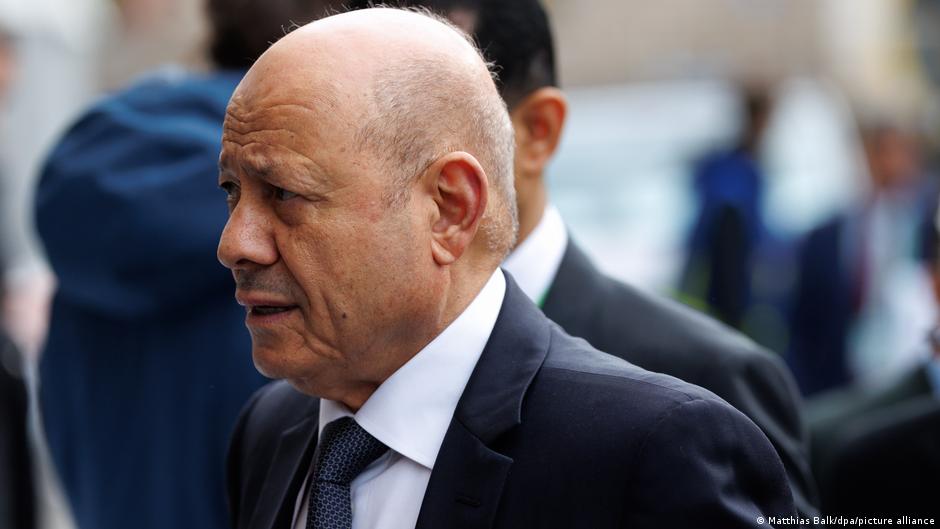
Yemen’s escalating conflict is moving back onto investors’ risk screens after Rashad al-Alimi, chairman of the country’s Presidential Leadership Council, called on citizens to mobilize against the Iran-aligned Houthi movement and pledged an amnesty for rebels who defect to the government side.
Al-Alimi addressed Yemenis on Friday, September 25, urging them to contribute to the country’s defense and to reinforce government forces. He said those who leave Houthi ranks and join the government would be pardoned under a forthcoming amnesty. The appeal came as government troops continue to lose ground despite support from Saudi military aircraft, following Houthi strikes on government forces several weeks ago.
For capital markets, the immediate issue is not only Yemen’s internal balance of power. The Houthi advance is tied to waterways central to oil exports, global shipping and energy pricing. In recent months, the Houthis have captured the entire Red Sea coast and territories adjacent to the Bab el-Mandeb Strait, a chokepoint whose strategic relevance has increased since the start of the U.S. and Israeli war against Iran.
The strait is being used as an alternative trade route that helps partially offset disruptions to oil supplies caused by the blockade of the Strait of Hormuz. That makes any further deterioration in security around Bab el-Mandeb a market-sensitive development for crude benchmarks, energy equities, transport costs and inflation expectations.
Energy Markets Face a Wider Risk Premium
The military gains by the Houthis have strengthened the position of Iran and its allies over key regional waterways, affecting oil exports from Saudi Arabia and other Gulf states to the world market. Rebel attacks threaten global trade routes and are contributing to higher electricity prices, adding another variable for investors already tracking geopolitical supply risk.
In equity markets, the most exposed sectors are likely to remain energy producers, refiners, shipping companies, airlines and industrial firms with high fuel costs. Oil and gas companies may receive support from a higher geopolitical risk premium, while transport and consumer-facing companies could face pressure if fuel and power costs rise. For bond investors, the key channel is inflation: sustained energy-price pressure can complicate the outlook for yields, central bank expectations and sovereign funding conditions.
Al-Alimi urged citizens to help defend the country and replenish the ranks of government forces, while promising pardon for Houthis who switch sides.
Reuters has reported that the Houthi advance is being directed by Iran’s Islamic Revolutionary Guard Corps. Sources in Tehran say Iran is seeking to open a new front in its confrontation with the United States. If that assessment proves durable, investors may treat Yemen not as an isolated civil war but as another node in a wider regional conflict with direct implications for commodities and shipping routes.
Saudi Arabia and Regional Assets Under Scrutiny
The escalation also places renewed attention on Saudi Arabia, whose military aviation has supported Yemeni government forces. At the start of September, the Houthis announced an expansion of military operations in the Middle East and struck four cities in southern Saudi Arabia. More than 70 people were injured in the large-scale bombardment, and fires broke out at oil facilities.
Saudi Arabia responded with more than 60 airstrikes across several provinces controlled by the Houthis. On September 19, the Saudi-led Coalition to Restore Legitimacy in Yemen said Yemeni rebels had attempted for the first time to strike the kingdom’s capital, Riyadh, with a ballistic missile.
Those developments matter for investors because attacks on Saudi territory can shift the perceived risk around Gulf energy infrastructure, sovereign credit, regional equities and the currency stability assumptions that underpin capital flows. Even when physical supply losses are limited, the possibility of attacks near oil facilities can quickly reprice risk across crude futures and energy-sensitive assets.
Yemen has been in civil war since 2014, a conflict that has effectively divided the country among three opposing sides. The Iran-aligned Houthis control northern and western provinces, including the capital, Sanaa, where about 70% of the population lives. The government’s latest call for mobilization underscores how far the balance of the war has shifted, and why the conflict’s financial relevance extends beyond Yemen’s borders.
For investors today, the central question is whether the escalation remains contained or further disrupts the routes linking Gulf oil exports to global markets. A prolonged threat to the Red Sea, Bab el-Mandeb and Gulf infrastructure could keep upward pressure on energy prices, reinforce inflation hedges and lift volatility across equities and bonds. Conversely, any credible reduction in attacks or defections from Houthi ranks under the promised amnesty could ease some of the geopolitical premium embedded in regional risk assets.