Ukraine Denies Trump Urged Zelenskyy to Meet Putin in Moscow
Kyiv rejected a Bloomberg report on a proposed Moscow trip as investors track diplomacy, energy risks and diesel price pressures.
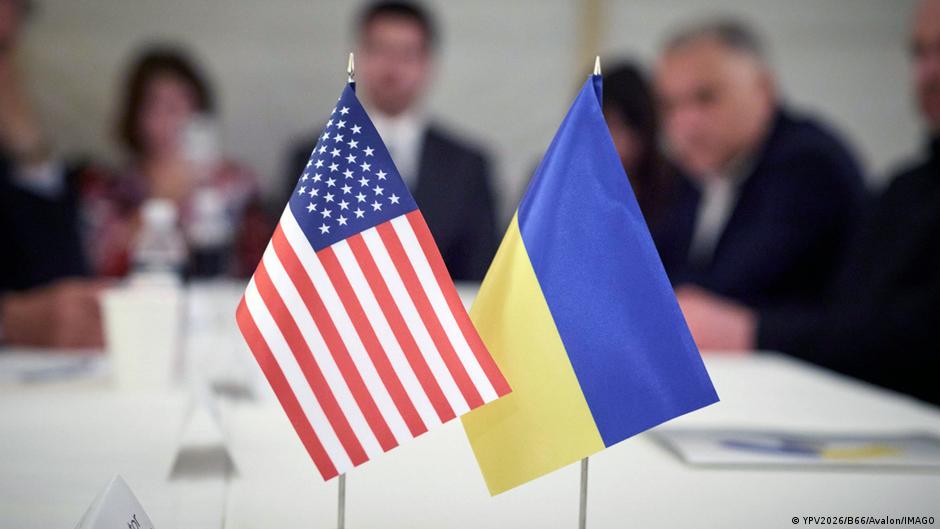
Ukraine’s presidential office denied a report that U.S. President Donald Trump suggested Volodymyr Zelenskyy travel to Moscow for talks with Vladimir Putin, pushing back on a claim that had added another layer of uncertainty to investor assessments of the war, energy markets and the prospects for diplomacy.
The denial came after Bloomberg reported, citing sources, that Trump had made the proposal during a meeting with the Ukrainian president on the sidelines of the United Nations General Assembly in New York. According to Bloomberg’s account, Zelenskyy refused the idea, and people close to the Ukrainian leader said he was upset by the proposal.
Kyiv disputed that version of events. Ukrainska Pravda reported on Friday, September 25, that the Ukrainian president’s office had rejected Bloomberg’s information. Dmytro Lytvyn, Zelenskyy’s communications adviser, told the Ukrainian outlet that the report was not accurate.
“This is false information,” Lytvyn said, according to Ukrainska Pravda.
For capital markets, the exchange matters less as a discrete diplomatic episode than as a signal of how fragile the negotiating track remains. Investors have been watching for any sign that Washington, Kyiv and Moscow might move toward even a limited de-escalation, particularly around energy infrastructure. The possibility of talks, the venue for them and the political conditions attached to them all feed into market expectations for commodity supply risk, inflation pressure and defense-related spending.
Energy Prices Keep Diplomacy in Market Focus
The broader backdrop is energy. Bloomberg reported that Zelenskyy and Russian Foreign Minister Sergei Lavrov held separate meetings in New York this week with representatives of the Trump administration. According to the agency, Washington pressed Moscow and Kyiv to reach an agreement to stop attacks on energy facilities as global diesel prices rise.
That point is central for investors because energy infrastructure attacks can quickly translate into broader risk premiums. Diesel is a key fuel for freight, industry, agriculture and military logistics. Rising global diesel prices can affect corporate margins, transport costs and inflation expectations, especially if investors conclude that energy assets will remain vulnerable through the winter or during periods of intensified fighting.
Markets tend to respond not only to actual supply disruption but also to perceived escalation risk. A credible agreement to halt strikes on energy facilities could ease some pressure on fuel markets. By contrast, confusion over proposed diplomatic steps, especially if quickly denied by one side, can reinforce the view that any near-term breakthrough remains uncertain.
Zelenskyy said on September 25 that technical-format trilateral talks involving the United States, Ukraine and Russia could take place in the United Arab Emirates. That statement offered a potential alternative diplomatic channel after the Kremlin rejected a recent Kyiv proposal to hold talks on ending the war during the G20 summit in Miami, where Washington had invited Putin.
The venue question is not a procedural detail. Russia has repeatedly stressed that a meeting between Putin and Zelenskyy would be possible only in Moscow. On September 23, Kremlin spokesman Dmitry Peskov said the Ukrainian president, “if he wants,” could come to Moscow, where he would be given the necessary security guarantees.
That position remains politically difficult for Kyiv, and the latest denial underscores the sensitivity of any suggestion that Zelenskyy might be asked to travel to the Russian capital. For equity and bond investors, the practical implication is that headline risk around negotiations remains high. Diplomatic reports can move expectations quickly, but denials and counterstatements can unwind those assumptions just as fast.
Investor Read-Through for Equities and Bonds
Equity markets with exposure to energy, transport, defense, agriculture and reconstruction themes are likely to remain especially sensitive to any credible shift in the war’s trajectory. Reports of possible talks may support risk appetite if investors interpret them as reducing the probability of further disruption. But conflicting accounts, such as the disputed Bloomberg report, can limit that effect by highlighting the gap between diplomatic signaling and executable agreements.
Bond markets face a similar information problem. A durable pause in attacks on energy infrastructure could reduce some inflationary pressure at the margin, particularly if diesel markets stabilize. That would matter for rate expectations and sovereign risk pricing. But without a confirmed agreement, fixed-income investors are likely to continue treating the conflict as a persistent source of geopolitical and commodity-linked volatility.
The latest developments also intersect with political risk in the United States. Trump’s involvement in discussions with Zelenskyy, Lavrov’s separate meetings with U.S. administration representatives, and Washington’s effort to push for a halt to attacks on energy facilities all point to a more active American role in shaping near-term diplomatic options. Investors will be watching whether that role produces concrete arrangements or mainly generates fresh headlines.
The history of direct-contact proposals adds another complication. In June, Putin said Zelenskyy had asked him for a personal meeting through one of the Russian businessmen. Zelenskyy later said he had passed a message to the head of the Kremlin through Roman Abramovich. Those earlier accounts show that back-channel or indirect communication has been part of the war’s diplomatic environment, even as public positions remain sharply constrained.
For markets today, the key takeaway is not that a Moscow meeting is imminent. Kyiv says the reported Trump proposal is false, while Moscow continues to insist that any Putin-Zelenskyy meeting would have to take place in the Russian capital. The investable issue is that diplomacy remains active but unsettled, and energy infrastructure is still at the center of the economic risk map.
Until there is a verified agreement on energy targets or a confirmed venue for trilateral technical talks, investors are likely to price the conflict through familiar channels: diesel and broader fuel costs, inflation-sensitive bonds, risk appetite in European equities, and defense and energy-linked shares. The denial from Kyiv narrows one headline, but it does not remove the market uncertainty surrounding the next phase of U.S., Ukrainian and Russian diplomacy.