Russian Military Convoys Reverse Course After Ukraine’s Libya Strike
Two Russian military convoys reportedly changed course after Ukraine struck a corvette in Libya, adding geopolitical risk around Mediterranean shipping.

Two Russian military convoys reportedly changed course after Ukraine struck a corvette in Libya, adding geopolitical risk around Mediterranean shipping.

Sweden summoned Russia’s ambassador over incidents involving Poland and Denmark, adding to geopolitical risks monitored by European equity and bond investors.

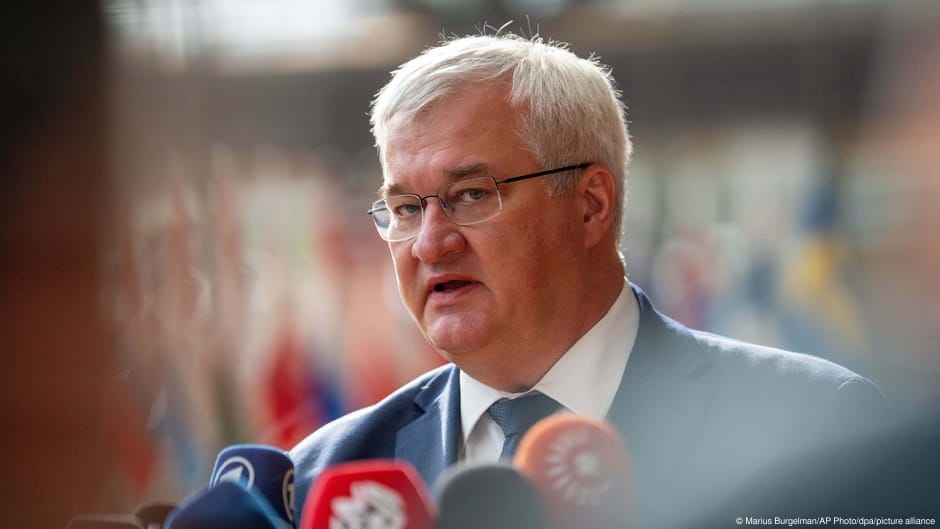
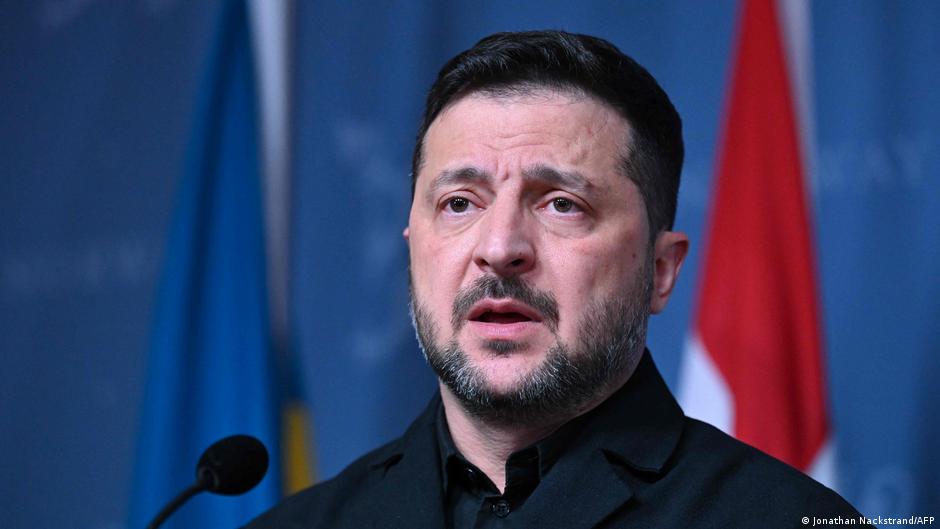
Ukraine sought to contain fallout from its Benghazi operation as investors weighed risks to energy, shipping, European unity and broader market sentiment.

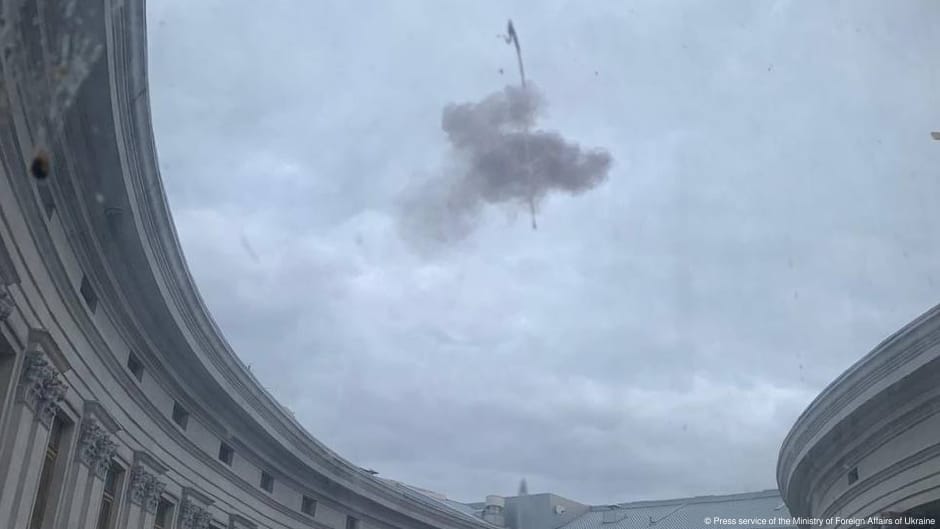
Missile and drone attacks across Ukraine damaged commercial, industrial and critical infrastructure, renewing investor focus on sovereign and operational risks.

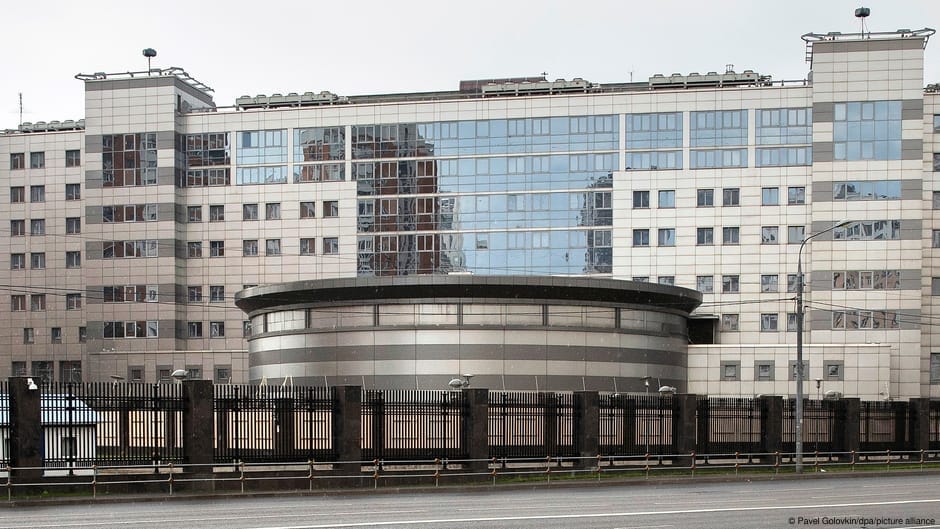
Lithuania’s foreign minister urged the EU to designate Russian military intelligence as a terrorist organization, adding to Europe’s geopolitical risk outlook.

A proposed EU fiscal penalty puts Bulgaria’s widening deficit, borrowing outlook and policy credibility under closer scrutiny from investors.

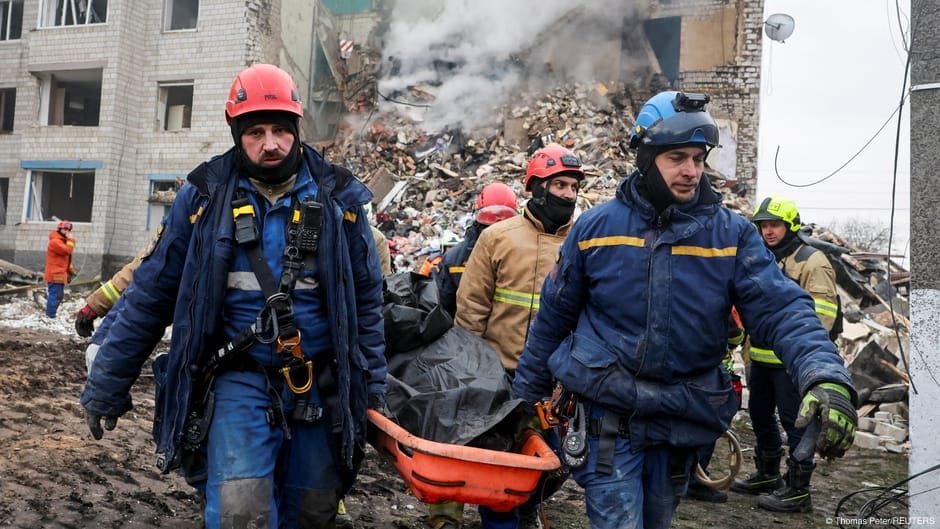
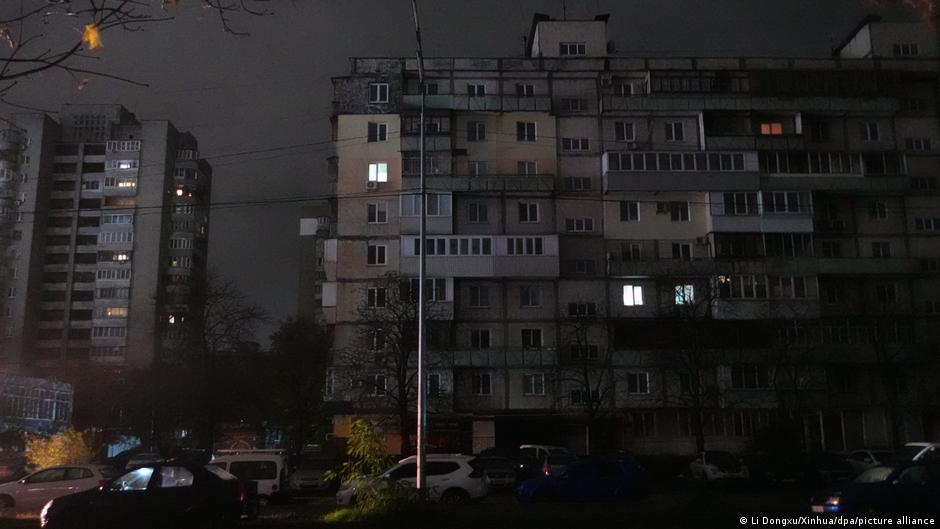
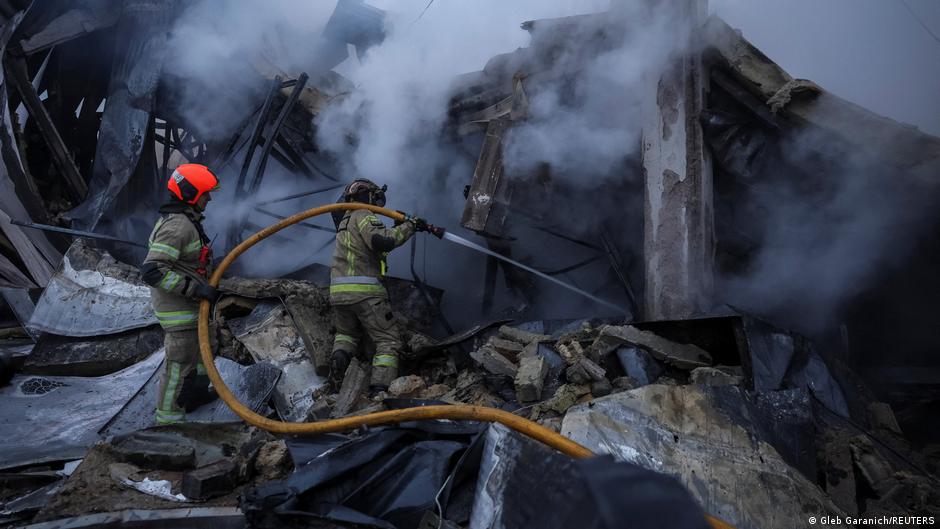
Deadly Russian strikes damaged civilian, commercial and energy assets as Ukraine imposed power restrictions affecting households and industrial activity.

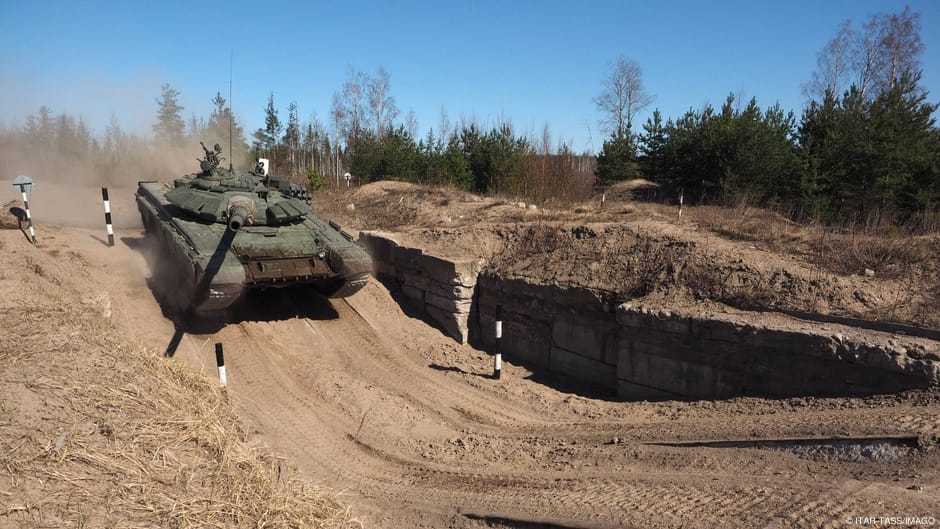
Russia’s expansion of the Kamenka military base near Finland adds to the long-term security risks monitored by Nordic equity and bond investors.

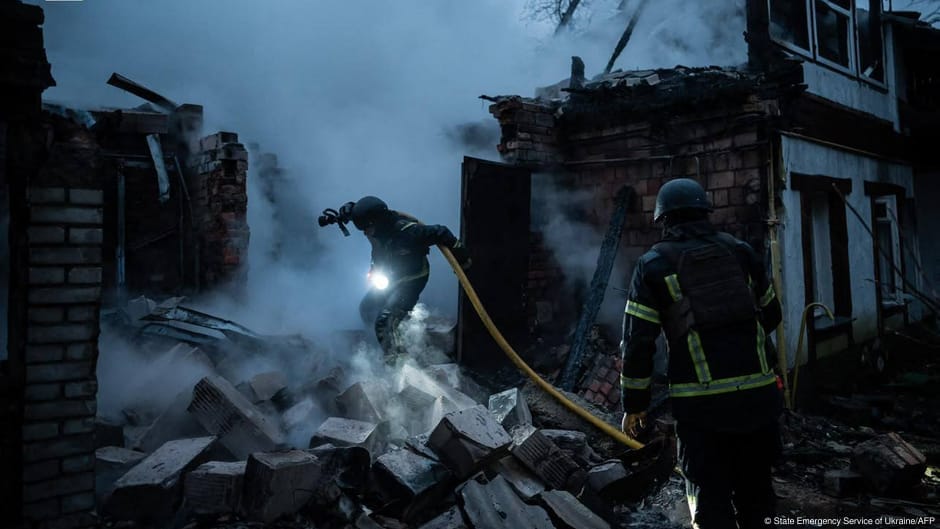
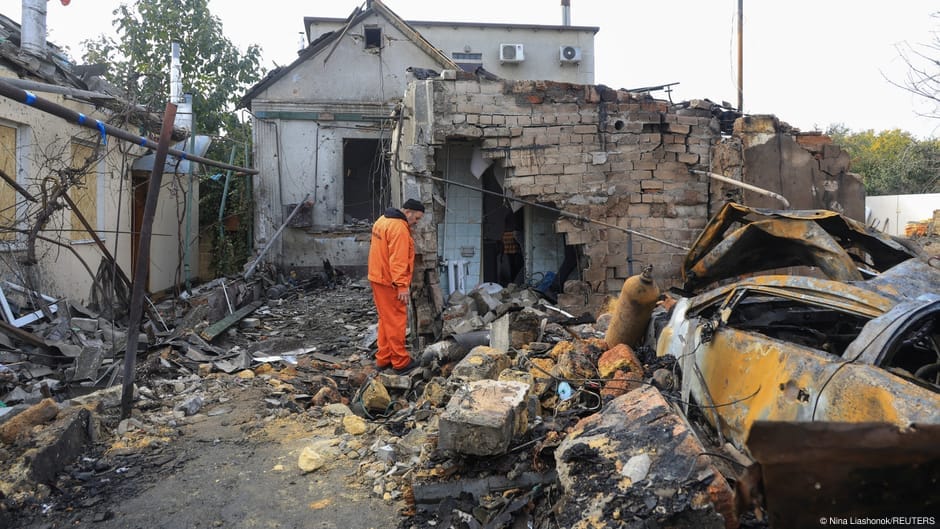
Deadly Russian strikes damaged homes, shops, businesses and energy infrastructure across Ukraine, renewing concerns over sovereign, corporate and reconstruction risks.

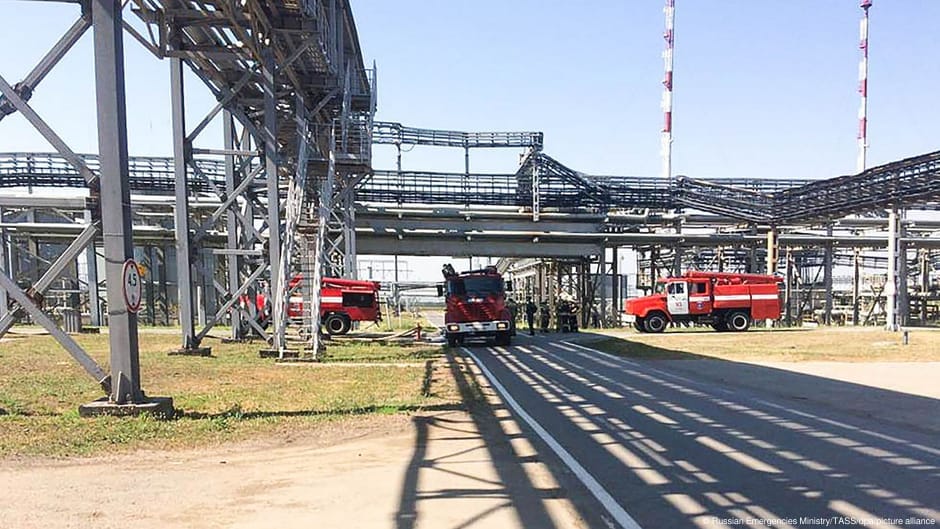
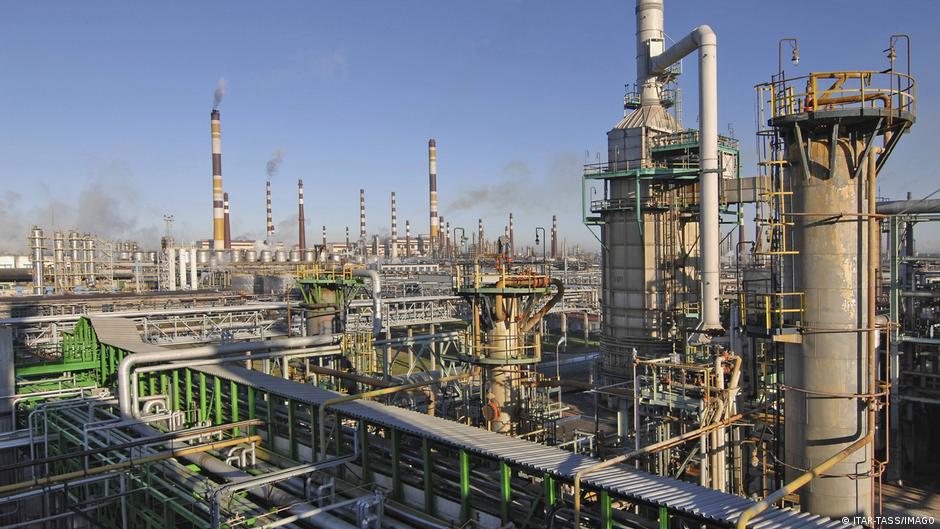
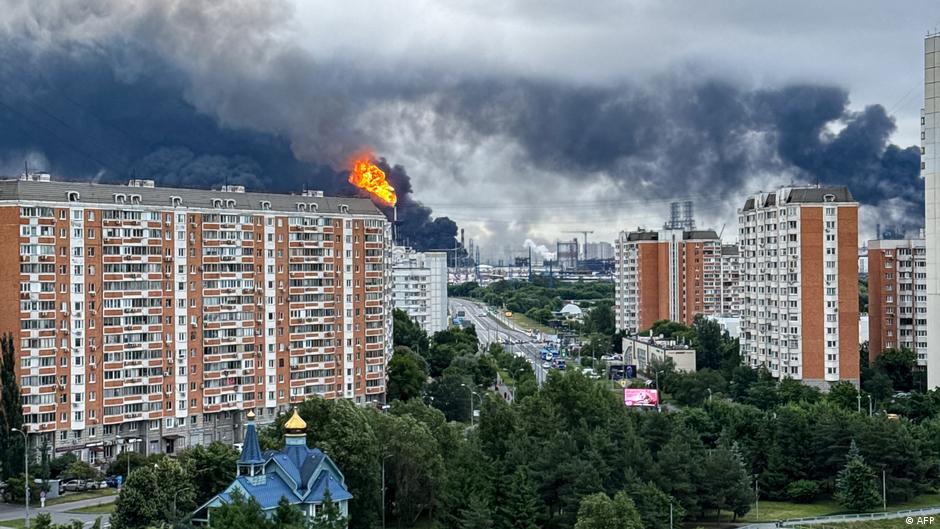
Reported fires near Russian refining and pipeline assets renew investor scrutiny of supply, logistics and operational risks, though disruption remains unconfirmed.

Democrats are set to hold at least 258 House seats and 56 Senate seats, giving investors greater clarity on the US policy outlook after the midterms.

A probable drone strike on a Krasnodar security facility and an unconfirmed refinery report put regional infrastructure risks back in focus.

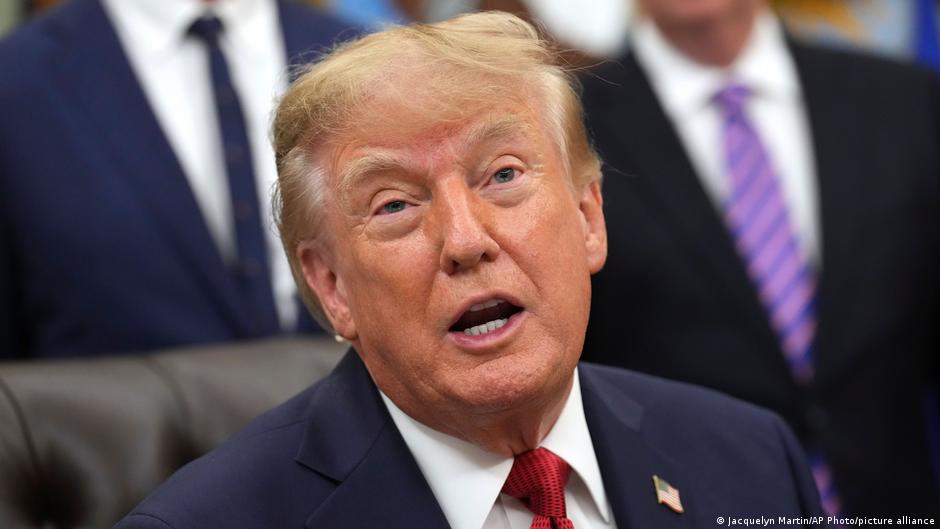
Trump is seeking a Ukraine peace deal before Democrats take Congress, raising uncertainty for defense, energy and sovereign-debt investors.

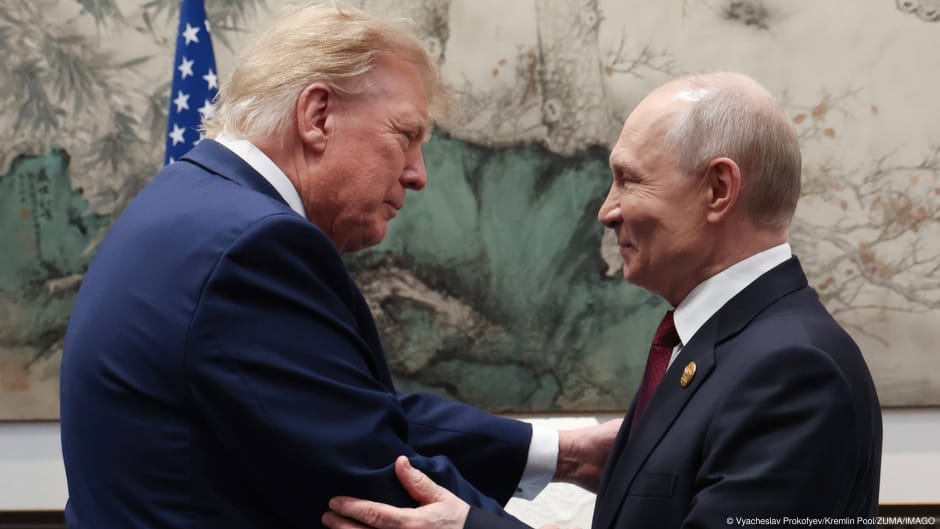
Trump backed Kyiv’s direct role in decisions on the war, but a US-China-Russia summit offered investors no concrete path toward de-escalation.

Ballistic missile strikes damaged Kyiv bridges and buildings, renewing investor scrutiny of infrastructure, energy security and Ukraine-related risk.

Elbridge Colby’s early exit from NATO talks exposes policy divisions that may affect European defense stocks, sovereign bonds and geopolitical risk premiums.

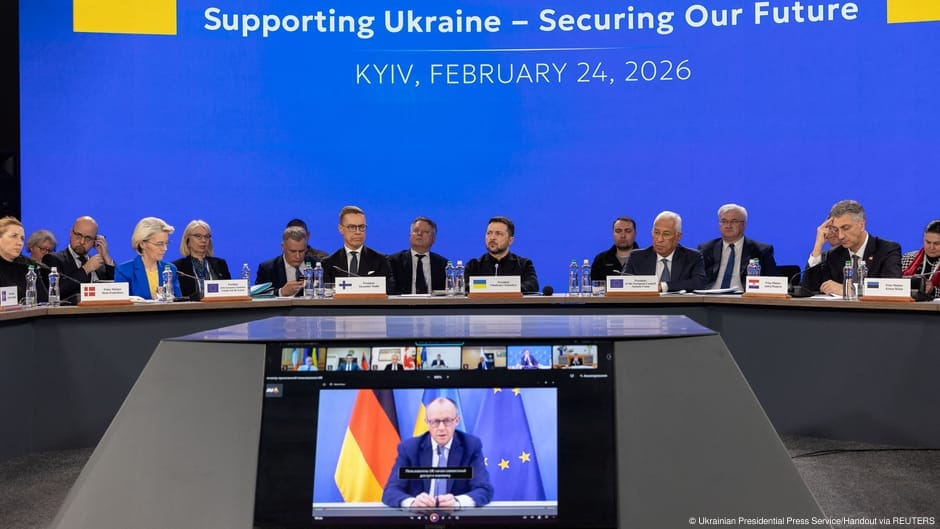
European leaders meeting in Berlin will put €230 billion in military aid and EU financing, defense procurement and sovereign funding under investor scrutiny.

A German poll shows broad concern about Russia but a near-even split on restoring Russian energy imports, underscoring risks for defense, industrial and bond investors.

Kyiv is seeking a unified European negotiating position while pressing allies for air-defense missiles and additional energy support.

US envoys are preparing multilateral Ukraine talks with European participation, putting geopolitical risk and its implications for regional assets back in focus.

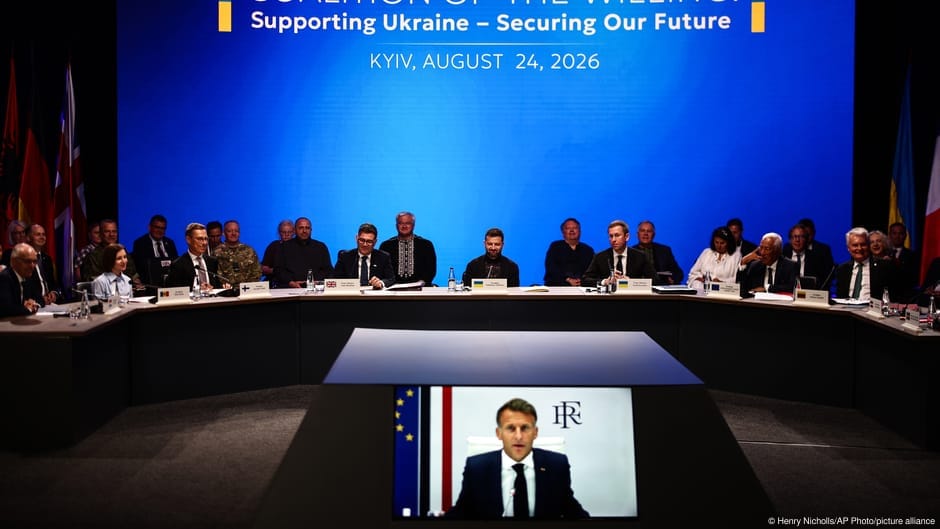
Macron’s call for sustained Ukraine support puts Europe’s security commitments on a collision course with mounting national budget constraints.

Trump, Putin and Xi are set for nuclear arms talks at APEC, putting geopolitical risk premiums in focus while an immediate agreement remains unlikely.

Nearly 40 European states adopted a security charter that puts defence spending, cybersecurity and sovereign financing in focus for investors.

Russia and Ukraine agreed to include European partners in the next peace talks, putting postwar security and regional geopolitical risk in focus for investors.

Kyiv and Moscow discussed exchanging up to 3,000 prisoners as talks expanded toward energy, Black Sea security and possible leader-level diplomacy.

Germany’s military ban on Chinese drones and cars at sensitive sites raises regulatory risks for Chinese manufacturers and opportunities for European suppliers.

The EU extended its Ukraine military training mission through November 2028, adding nearly €300 million as investors assess defense demand and fiscal risks.

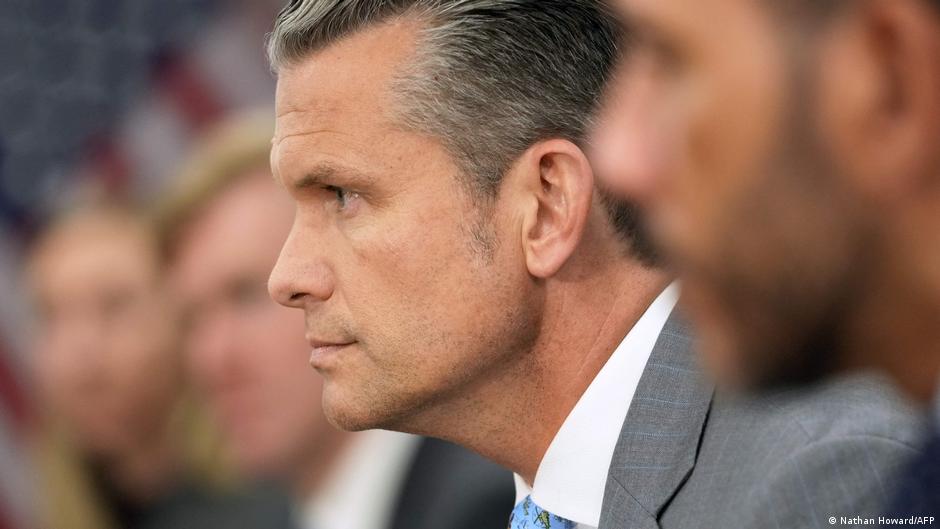
A Republican bid to impeach Defense Secretary Pete Hegseth adds political uncertainty for investors monitoring the Iran war, energy, defense stocks and bonds.

Moldova opened a Romania-linked power line to diversify electricity supplies, reduce Russian exposure and deepen integration with Europe’s energy system.

A drone attack on Surgutneftegas’ Kirishi refinery puts a facility responsible for roughly 7% of Russian oil processing under renewed investor scrutiny.

A clash between Zelensky and Kyiv Mayor Vitali Klitschko highlights energy infrastructure and political risks facing investors in Ukraine.

Germany plans an extra €100 million for Ukraine’s critical infrastructure, highlighting winter energy risks and Europe’s continuing fiscal exposure.

Zelensky expects stronger US aid after the Democrats’ congressional victory, putting defense spending, sovereign borrowing and European risk assets in focus.

German electric-car registrations rose about 80% in October, while Chinese manufacturers gained market share and domestic automakers continued to lose ground.

Two Russian-fuel tankers have changed course, threatening planned US diesel imports as sanctions risks and high fuel prices unsettle investors.

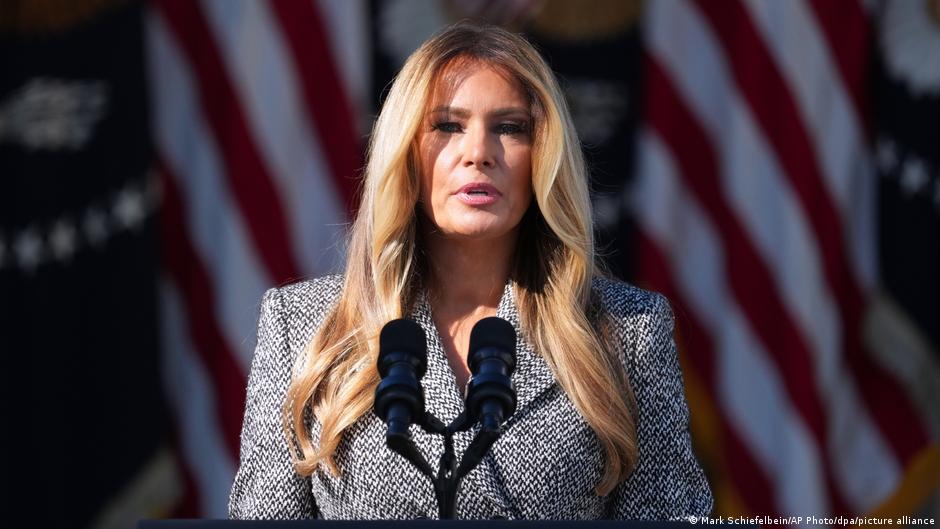
Melania Trump will discuss the Oleshky ceasefire with Russian and Ukrainian representatives as markets watch for signs of broader de-escalation.

Russia and Ukraine will meet in Abu Dhabi on November 10-11 as investors assess the implications for European assets, sovereign debt and reconstruction.

A federal court rejected an attempt to block Alaska’s Senate result, easing one procedural risk as investors assess the battle for control of Congress.

False nuclear and radiation alerts in Ukraine and Russia highlight cyber vulnerabilities and the risk of headline-driven volatility for regional investors.

A US proposal to restart Russian gas transit through Ukraine could reshape European energy costs, sanctions risks and the outlook for LNG-linked investments.

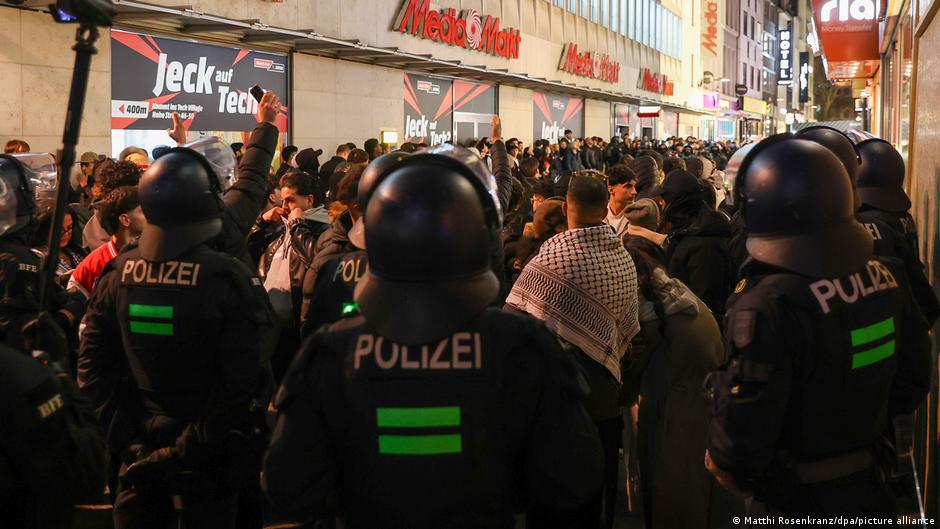
Youth protests across Germany turned violent, disrupting major cities and putting fiscal policy, consumer pressures and political risk on investors’ watchlists.

A reported Ukrainian pause in attacks on Russian refineries may ease near-term fuel supply risks, but its informal and reversible nature leaves investors exposed to renewed volatility.

New UK and Dutch aid for Ukraine combines defense spending, export guarantees and reconstruction funding, drawing investor attention to fiscal risks and future contracts.

Washington is considering sanctions relief for Russia’s RDIF as Moscow seeks a role for the fund in planned diesel shipments to US and global markets.

Missile strikes on Kyiv and Kharkiv killed at least three people, injured 14 and renewed geopolitical concerns for investors exposed to the region.

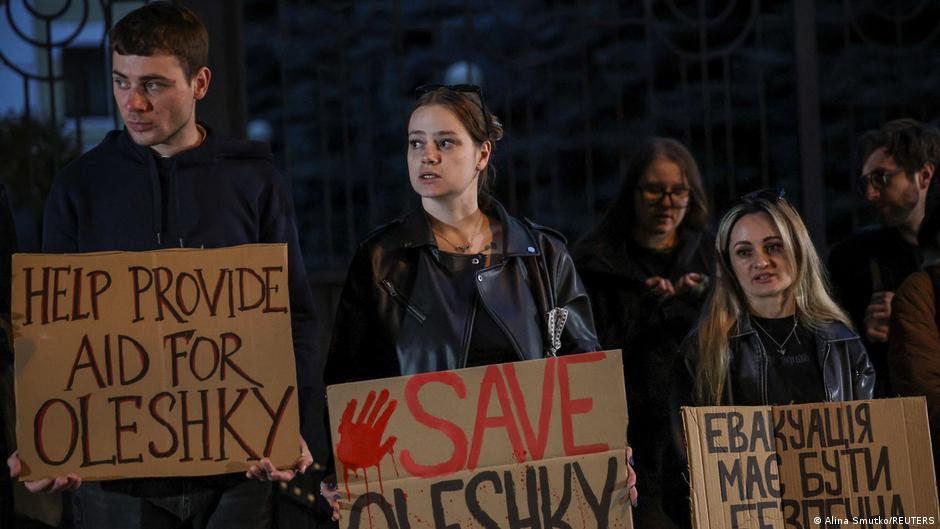
A temporary ceasefire around occupied Oleshky enables aid and evacuation plans, offering investors a limited signal of de-escalation amid high execution risks.

Bulgaria’s presidential runoff will test investor confidence as low turnout, Ukraine policy and regional security risks move into focus.

Italy’s cost-of-living protests spread across major cities, drawing investor attention to consumer pressure, fiscal choices and political risk.

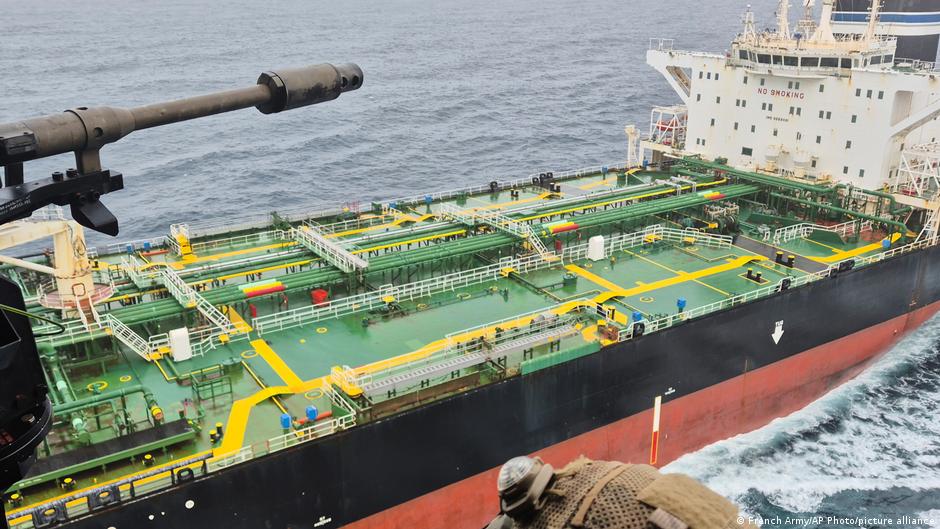
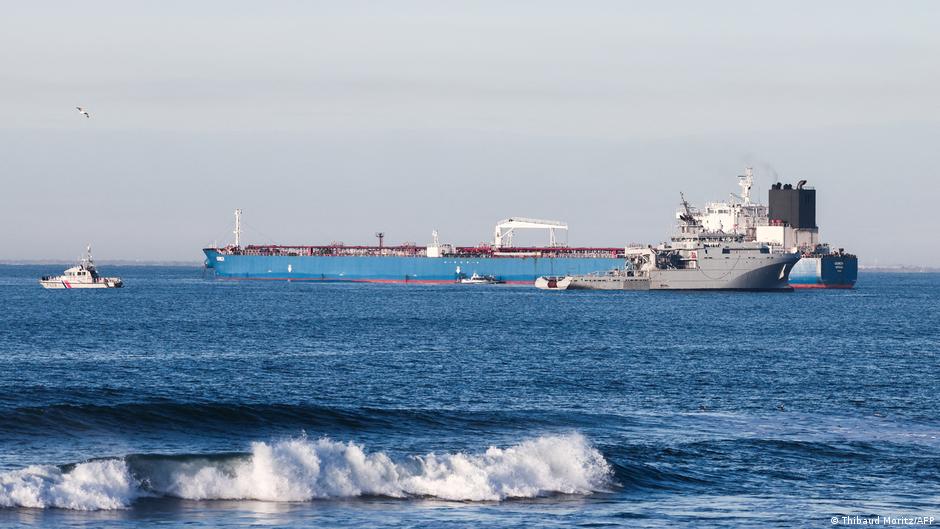
The sanctioned MYRA tanker issued a distress signal off Ireland, spotlighting risks tied to opaque Russian and Iranian oil-shipping networks.

US, Ukrainian and Russian teams may meet in Abu Dhabi or Switzerland in November, reopening diplomacy without yet offering evidence of a breakthrough.