Russian Diesel Tankers Reverse Course, Raising US Market Risks
Diversions by two sanctioned vessels threaten a Trump-Putin diesel agreement as US fuel costs and regulatory risks remain elevated.
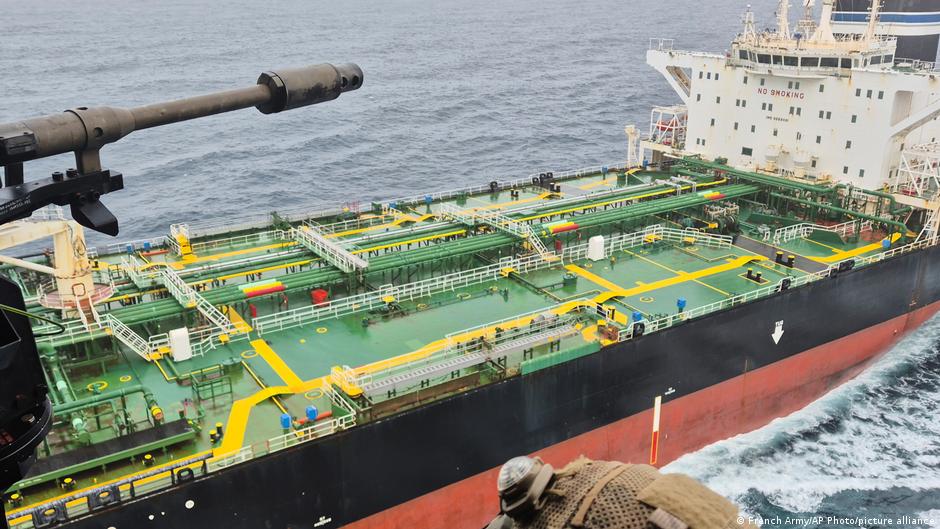
Two of three oil tankers carrying Russian fuel toward the United States have changed course, putting a diesel import agreement between US President Donald Trump and Russian President Vladimir Putin at risk, the Financial Times reported on Wednesday, Nov. 4.
The diversions complicate an initiative intended to ease pressure on US diesel prices, which have risen sharply amid the war in Iran. For investors, the tanker movements suggest that physical supply constraints, sanctions compliance and buyer caution could outweigh the political effort to bring additional Russian barrels into the American market.
Diesel futures have climbed more than 60% since the beginning of the war in Iran. At the start of November 2026, average diesel prices at US filling stations stood at approximately $6.30 per gallon, equivalent to $1.66 per liter. Any failure to deliver the expected Russian cargoes could leave fuel markets exposed to further volatility and sustain cost pressures across transportation, agriculture and other diesel-intensive industries.
Sanctions cloud planned US deliveries
The Russian tanker Talisman and the Hong Kong-owned Leruo, which sails under the flag of Sierra Leone, no longer list the US Atlantic coast as their destination. Since Nov. 2, Leruo has redirected toward Brazil, while Talisman entered the Mediterranean and was positioned off Algeria.
Talisman was transmitting a “for orders” signal, indicating that its cargo did not yet have a confirmed buyer or destination port. Both Talisman and Leruo are subject to European Union sanctions, adding compliance and reputational risks for companies that might participate in the shipments.
The third tanker, Agioi Fanendes, owned by Greek shipping company Eastern Mediterranean Maritime, was continuing toward the United States but was also transmitting a “for orders” signal. It was expected to reach New York over the weekend, although uncertainty remained over whether it would ultimately enter a US port.
“Given the apparent caution among US buyers because of regulatory, legal and sanctions risks, it would not be surprising if this tanker also changed course and abandoned its call in the United States,” Kpler analyst Matt Smith said, according to the FT.
Another sanctioned tanker, Beast, owned by companies based in the Seychelles, loaded cargo at the Russian port of Primorsk on Oct. 27 and continued to sail toward the US Atlantic coast. Its progress leaves open the possibility that some Russian diesel could still reach the American market, even as the original shipment plan becomes increasingly uncertain.
Investor focus turns to refiners, transport and inflation
The immediate capital-markets implications extend beyond energy futures. A prolonged period of expensive diesel could support refining margins for producers able to supply the US market, while raising operating costs for trucking companies, airlines with exposure to related fuel markets, rail operators, agricultural businesses and retailers dependent on freight networks.
Bond investors may also view sustained fuel inflation as a risk to corporate margins and consumer purchasing power. Higher distribution expenses can move through supply chains and contribute to broader price pressures, potentially affecting expectations for interest rates and the valuation of rate-sensitive assets. The tanker diversions do not by themselves establish the direction of monetary policy, but they add another source of uncertainty for inflation-linked trades.
For equities, the effects are likely to be uneven. Refiners and fuel suppliers may benefit from tight inventories and elevated product prices, while transport and logistics companies could face weaker earnings if they cannot pass higher costs to customers. Investors will therefore be watching vessel-tracking data, port destinations and evidence of confirmed buyers for signs that the expected supply is either arriving or being redirected elsewhere.
Political deal fails to deliver an electoral boost
Trump reached the agreement with Putin several weeks before the US congressional midterm elections, seeking to purchase Russian diesel for import into the United States. The plan was intended to reduce fuel prices and strengthen political support ahead of the vote.
The initiative did not help the Republican Party secure control of Congress. In the Nov. 3 elections, Democrats won majorities in both the Senate and the House of Representatives.
That result introduces another layer of policy risk for the proposed imports. With Democrats controlling both chambers, investors may scrutinize whether Congress will challenge, restrict or investigate transactions involving sanctioned vessels and Russian fuel. The source report did not specify any planned legislative action, but the election outcome changes the political setting in which the agreement would have to operate.
Markets now face a practical test: whether the remaining vessels complete their voyages and whether US buyers are willing to accept the cargoes. Until those questions are resolved, elevated diesel prices and sanctions-related uncertainty are likely to remain central concerns for energy traders and investors assessing inflation and corporate earnings risks.



