Russian Diesel Tankers Reverse Course, Raising US Market Risks
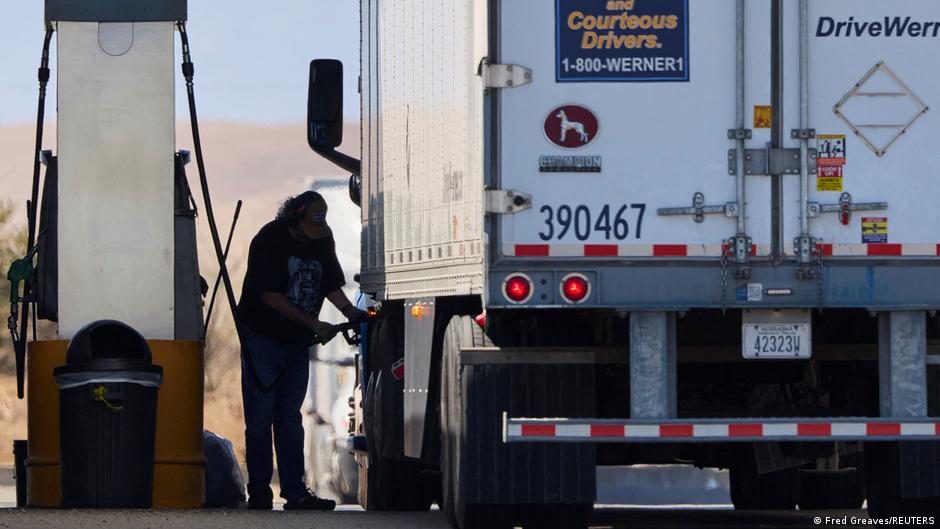
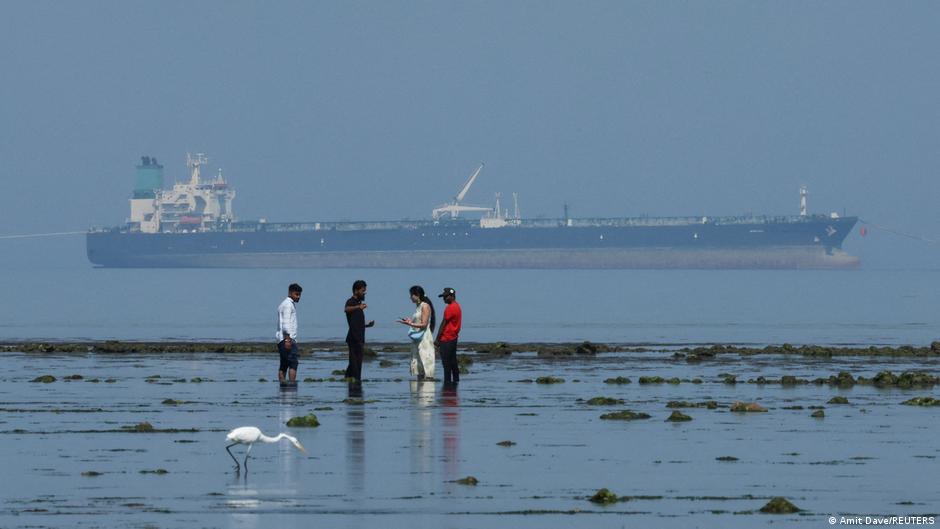
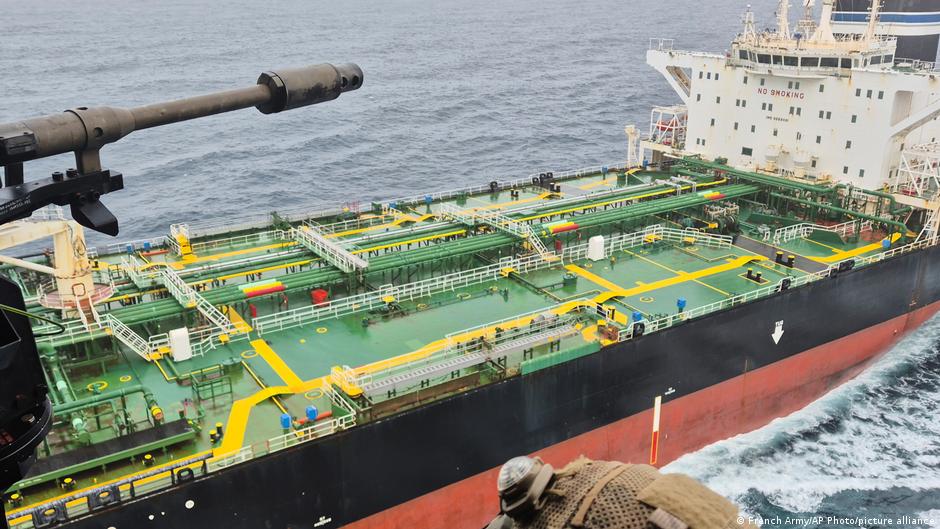
Two Russian-fuel tankers have changed course, threatening planned US diesel imports as sanctions risks and high fuel prices unsettle investors.

Two Russian-fuel tankers have changed course, threatening planned US diesel imports as sanctions risks and high fuel prices unsettle investors.

A reported Ukrainian pause in attacks on Russian refineries may ease near-term fuel supply risks, but its informal and reversible nature leaves investors exposed to renewed volatility.

Washington is considering sanctions relief for Russia’s RDIF as Moscow seeks a role for the fund in planned diesel shipments to US and global markets.

Trump said SpaceX restored full Starlink access in Ukraine, renewing investor scrutiny of private satellite infrastructure and government dependence.

Trump postponed sweeping Russia tariffs, citing Ukraine negotiations, Iran and diesel supplies, while retaining the option to impose them later.

A bipartisan Senate group warns Trump’s Russian diesel deal may offer little fuel-price relief while weakening sanctions pressure on Moscow.

A bipartisan House push to ban Russian oil purchases could complicate energy-market assumptions after Trump cited diesel supply talks with Putin.

Zelensky warned that a US license for Russian diesel exports could weaken sanctions pressure and extend the war as markets assess fuel supply risks.

Kyiv denied a report that Trump urged Zelenskyy to meet Putin in Moscow as investors monitor diplomacy, diesel prices and energy risks.

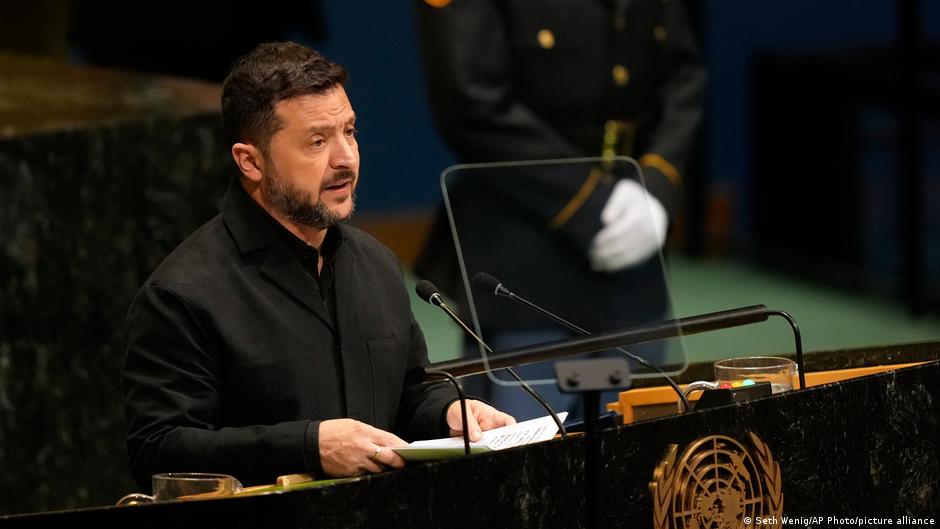
Zelenskyy’s UN remarks put Russia’s oil revenues, energy infrastructure and war financing back at the center of investor risk assessments.

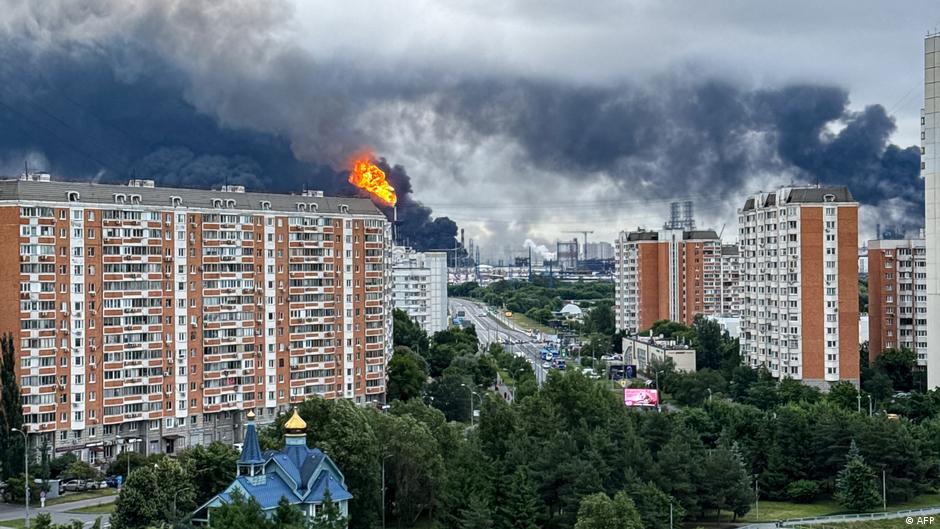
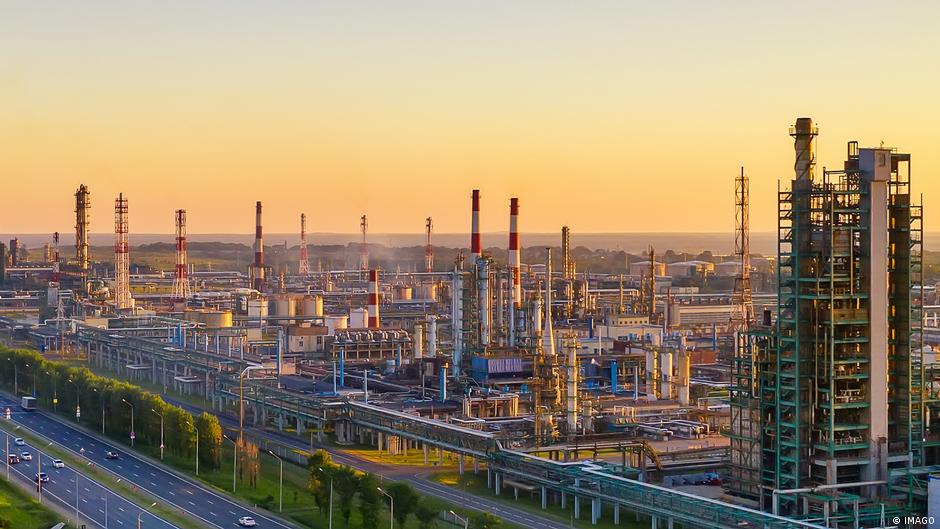
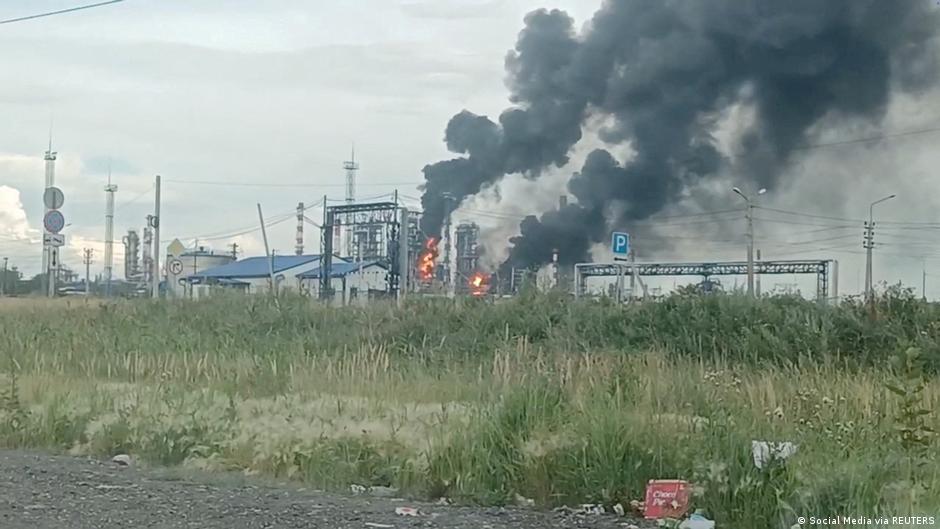
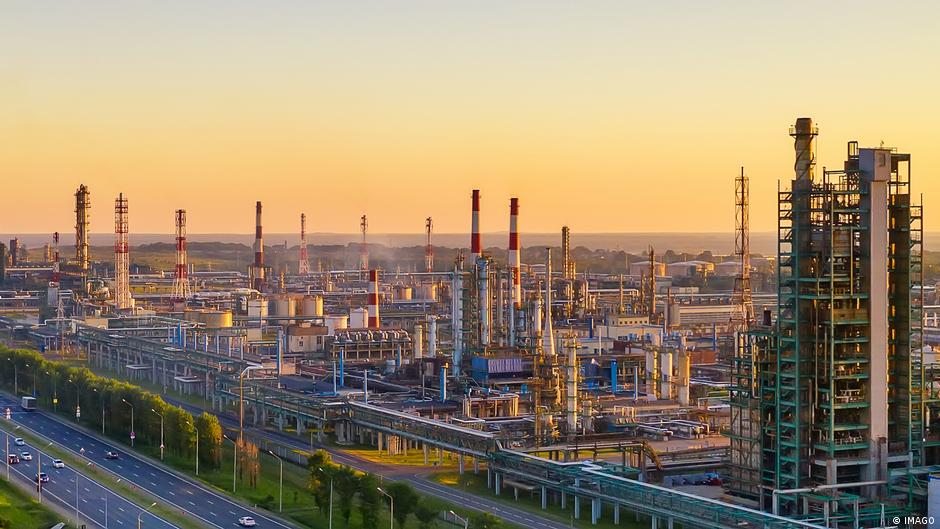
Drone damage has halted YANOS refinery processing and fuel shipments, adding pressure to Russian fuel supply and investor risk assessments.

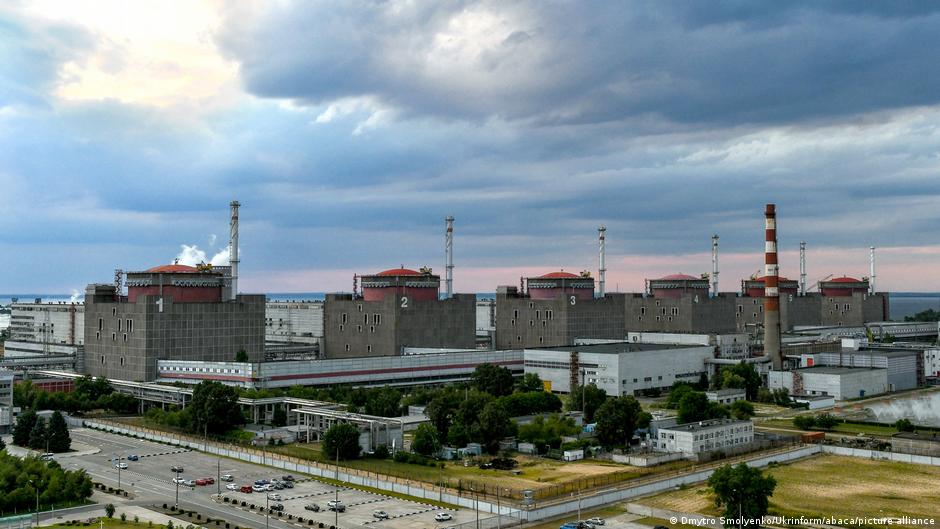
Zaporizhzhia Nuclear Power Plant has lost external power for the 23rd time since the conflict began, raising concerns about energy supply stability and investor risk amid ongoing military tensions.

Russian oil product output plunged nearly 22% year-on-year in June, pressured by infrastructure attacks and fueling market uncertainty for investors.

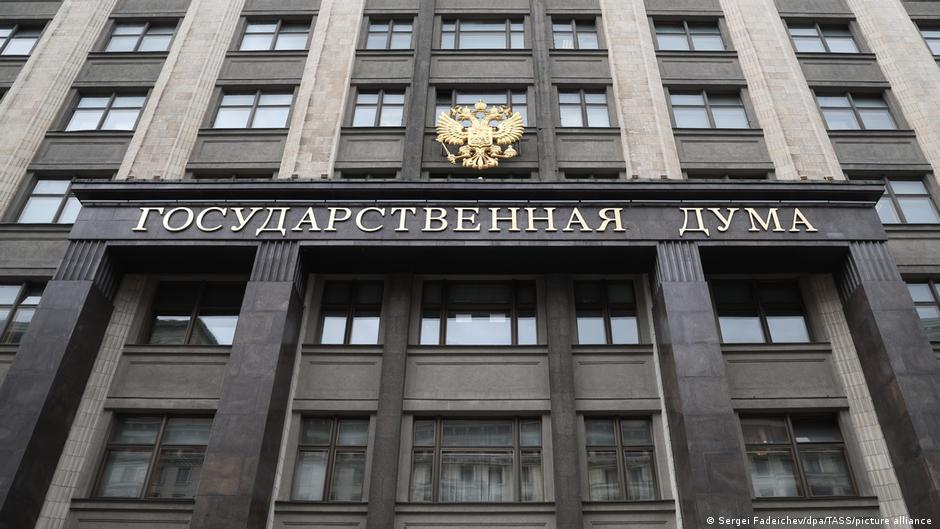
Russia’s parliament amended fuel market regulations to stabilize prices by expanding compensation schemes and adjusting import rules, impacting energy sector investments.

Ukrainian drone strikes have forced the Saratov refinery to halt operations, cutting refining capacity and exacerbating fuel shortages in Russia's energy market.

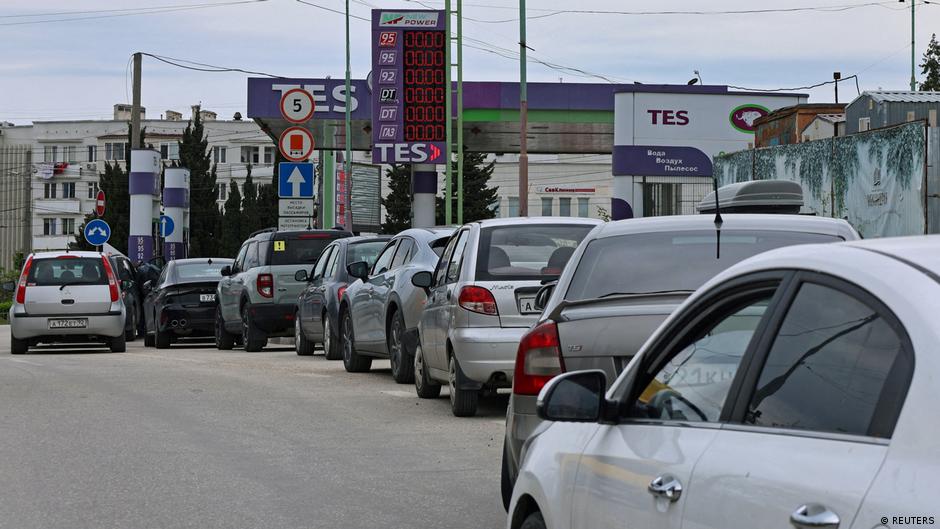
Gasoline prices in Crimea have surged nearly 80% in a week amid Russia's export restrictions and supply shortages, signaling increased market volatility for energy investors.

Russia permits Euro-3 fuel circulation until 2026 to mitigate refinery disruptions, impacting energy markets with lower fuel quality and constrained supply.

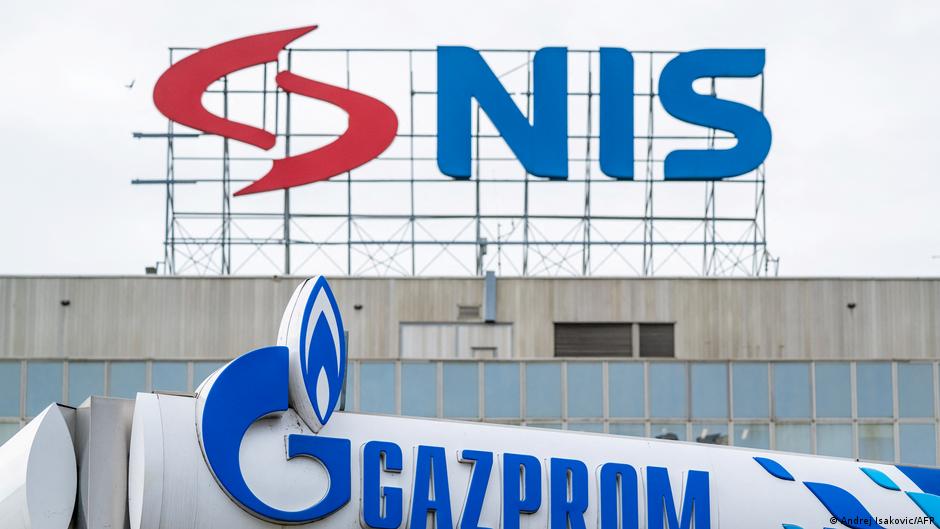
The US has again extended a temporary license allowing Serbian oil company NIS, partly owned by Gazprom, to operate under sanctions, prolonging uncertainty for investors.

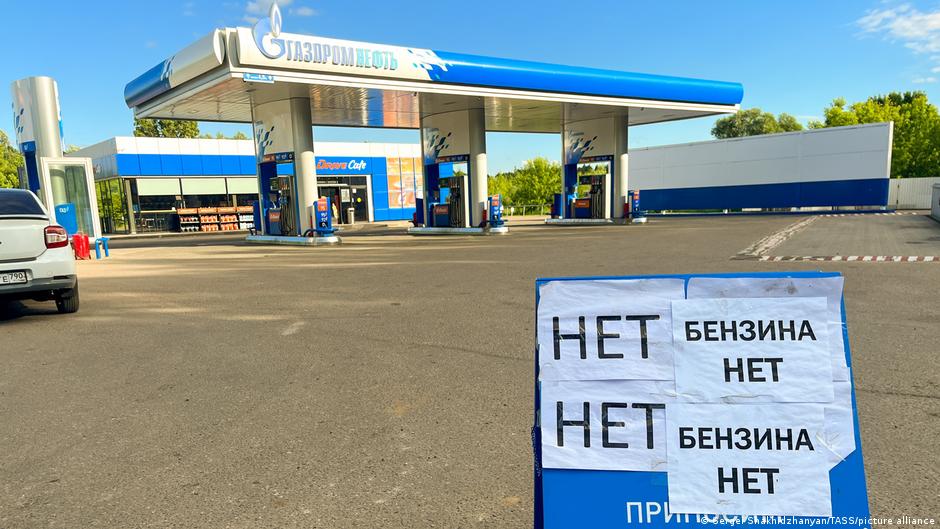
Russian authorities impose fuel sales limits in over 50 regions amid production cuts from drone attacks, affecting oil market dynamics and investor confidence.

Russia plans 1-2 month export limits on diesel and jet fuel amid drone attacks disrupting major refineries, impacting fuel supply and investor outlook in energy markets.

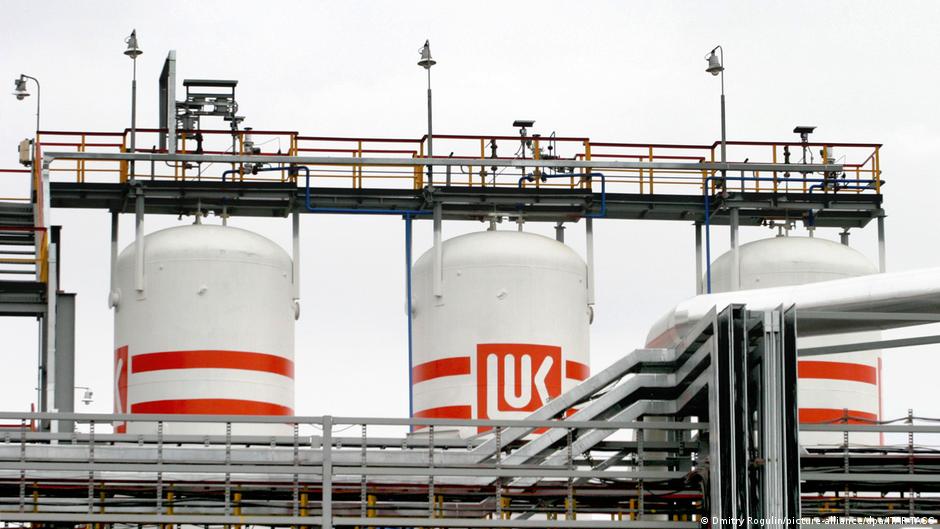
Ukrainian drone strikes have forced Lukoil's NORSI refinery to halve its capacity, affecting a quarter of Russia's refining output and tightening domestic fuel supplies.

The UK granted an indefinite license for importing refined fuels derived from Russian oil, easing supply constraints amid geopolitical tensions and impacting energy market dynamics.