Russia Plans Temporary Export Restrictions on Diesel and Jet Fuel Amid Refinery Disruptions
Moscow considers 1-2 month limits on diesel and aviation fuel exports following drone attacks on key refineries, impacting market supply and investor outlook.
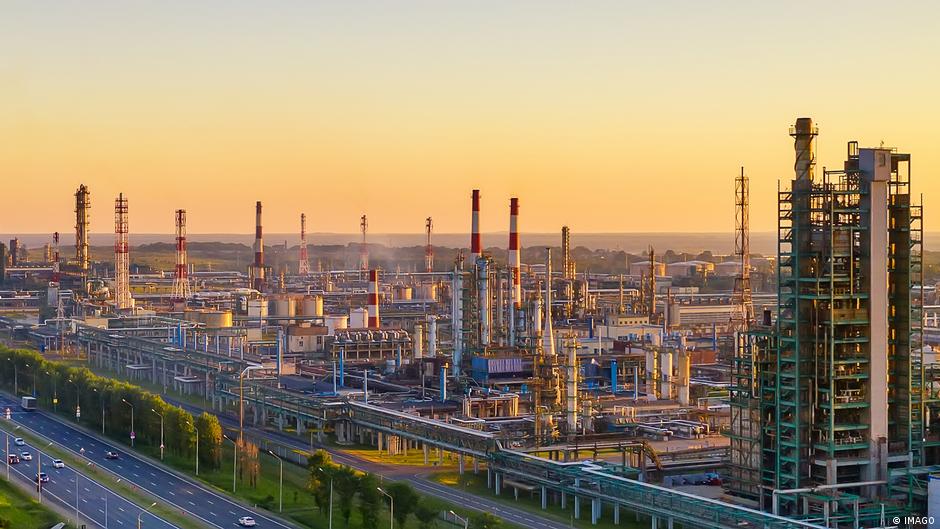
Russian authorities are preparing to impose temporary restrictions on the export of diesel fuel and aviation kerosene, aiming to stabilize the domestic fuel market amid production disruptions caused by recent drone attacks on major refineries.
On May 26, Vice Premier Alexander Novak chaired a meeting to assess the current fuel market situation. Sources close to the Ministry of Economic Development indicated that an export ban on diesel and jet fuel is expected to be approved soon, potentially lasting between one to two months.
Market Repercussions and Policy Response
The proposed restrictions come as part of a broader effort to monitor and coordinate actions between federal agencies and industry players to mitigate supply shortages. Novak emphasized the need for continuous market surveillance and the readiness to implement additional measures to support the fuel sector.
Since April 1, Russia has enforced a full ban on gasoline exports until July 31. The new measures would extend export controls to diesel and aviation kerosene—products for which export limits have been repeatedly applied since September 2023 to ensure domestic supply stability. Notably, an export embargo on aviation kerosene would mark the first time such a restriction has been considered.
Following the meeting, oil companies were also advised to voluntarily restrain exports of petroleum products in anticipation of official regulations.
Impact of Drone Attacks on Refinery Operations
The urgency of these measures is underscored by recent attacks on Russia’s oil refining capacity by Ukrainian drones. Nearly all major refineries in central Russia have been forced to halt or reduce fuel production due to security incidents over recent weeks.
The combined capacity of refineries fully or partially suspended exceeds 83 million tons annually, or approximately 238,000 tons daily. This accounts for about one-quarter of Russia’s total refining capacity, including over 30% of gasoline and roughly 25% of diesel production nationwide.
"The number of drone attacks on Russian oil refineries has escalated dramatically—from zero attacks in the first year of the conflict to 88 in 2025, with 33 occurring in the first five months of 2026 alone," industry sources report.
Among the hardest hit is Lukoil's Nizhny Novgorod Refinery (NOROS), a top-five largest refinery in Russia. It halted more than half of its operations following a drone strike on May 20, exacerbating supply constraints and prompting calls for export curbs.
Investor Considerations in the Capital Markets
The export restrictions and refinery disruptions present significant implications for investors in Russian equities and bonds within the energy sector. Reduced fuel export volumes may lead to short-term revenue declines for oil and refining companies, while domestic fuel price volatility could affect profit margins.
Equity investors should monitor how companies adapt to constrained refinery throughput and evolving regulatory frameworks, which may alter operational costs and international sales strategies. Bondholders may face increased credit risk if prolonged production downtimes undermine issuer cash flows.
Overall, these developments underscore the heightened geopolitical and operational risks facing Russia’s oil industry, with ripple effects across capital markets. Investors are advised to factor in potential policy shifts and supply chain uncertainties when assessing exposure to Russian energy assets.