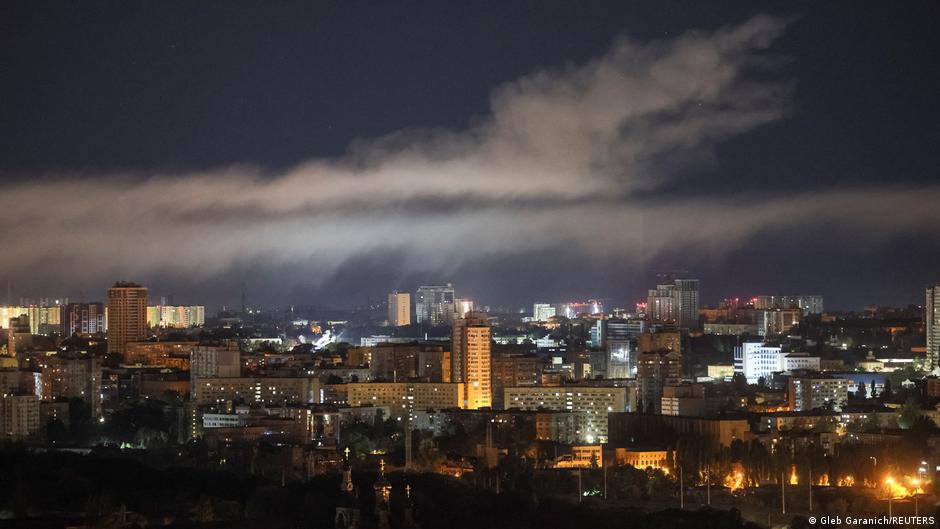
US Military Casualties in Iran Conflict Rise to 17 Amid Escalating Tensions
The increase in US military deaths follows recent Iranian attacks and US retaliatory strikes, affecting regional stability and investor sentiment.
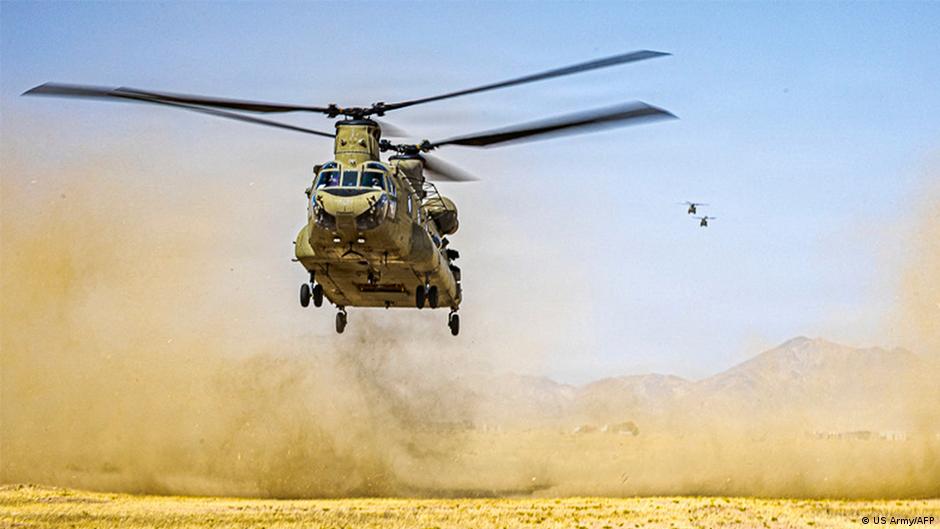
The number of US military casualties in the ongoing conflict with Iran has risen to 17, marking a significant escalation in hostilities that has drawn heightened attention from global capital markets. The latest fatality occurred on July 18 during a controlled detonation of unexploded Iranian munitions in northern Iraq, according to the US Central Command (CENTCOM).
Alongside the death, another soldier sustained minor injuries and continues to receive medical treatment. This update follows earlier reports from CENTCOM of two American soldiers killed in an Iranian missile attack on a Jordanian airbase on July 17, with a third soldier initially listed as missing now presumed deceased after the discovery of unidentified remains at the site.
Market Implications of Rising Military Tensions
"The continued escalation between the US and Iran introduces increased volatility and uncertainty into energy markets and geopolitical risk premiums, impacting investor confidence globally."
In response to the attacks, US forces launched new airstrikes against the Islamic Revolutionary Guard Corps (IRGC) on July 18. CENTCOM stated these strikes aimed to "punish" the IRGC for the Jordanian airbase incident and to degrade Iran’s ability to threaten commercial shipping in the strategic Strait of Hormuz. Iran retaliated with missile attacks on two US military bases in Kuwait, further intensifying tensions.
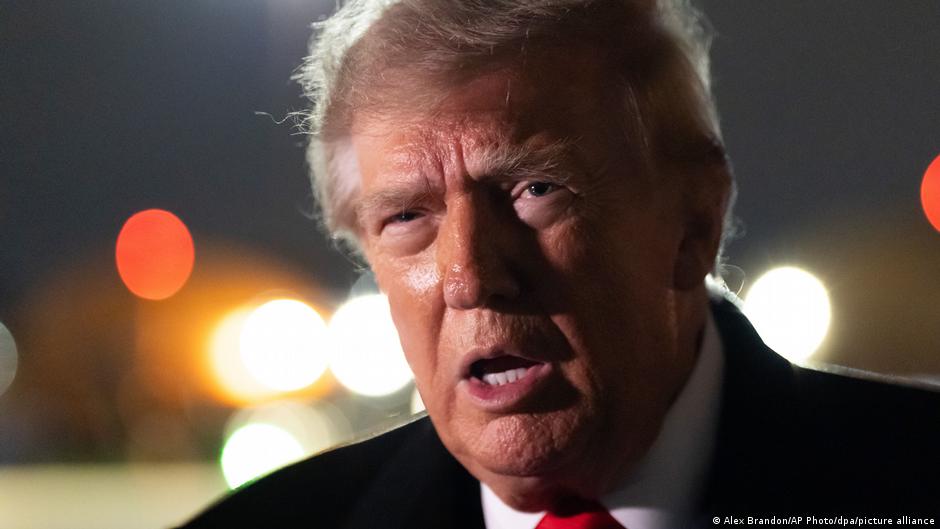
President Donald Trump described the deaths as a "sad event" during a July 18 interview, reaffirming that the US objective remains preventing Iran from acquiring nuclear weapons. The rapid escalation has prompted the US to deploy additional combat aircraft to the Middle East, including F-16 fighters from Spangdahlem Air Base in Germany and F-35 fighters from RAF Lakenheath in the UK, alongside aerial refueling tankers, as reported by The Wall Street Journal and The New York Times.
From a capital markets perspective, these developments are critical. The Middle East is a key node in global oil supply chains, and heightened conflict risk tends to drive up oil prices, inject volatility into equities—especially in energy and defense sectors—and influence bond markets due to shifts in perceived risk. Investors are closely monitoring these dynamics as uncertainty around the conflict’s trajectory may prompt risk-off behavior and flight to safe-haven assets.
Energy prices have already seen upward pressure amid concerns over potential disruptions to oil exports through the Strait of Hormuz, a vital chokepoint for global oil shipments. Defense stocks may experience gains on expectations of increased government spending and military engagement, while broader market indices could face downward pressure due to geopolitical risk aversion.
Fixed income markets are likely to see increased demand for US Treasuries as investors seek safety, potentially lowering yields temporarily. Conversely, emerging market bonds, particularly those in the Middle East, may face sell-offs due to heightened regional risks.
In summary, the rise in US military casualties and the escalation of hostilities with Iran have immediate and pronounced effects on capital markets. Investors should remain vigilant to these developments, as further escalation could exacerbate volatility and significantly affect asset allocation decisions in the near term.