Russia Moves to Shut Goethe Institutes as Berlin Tightens Sanctions
Moscow’s planned closure of German cultural branches adds a new retaliatory layer to an escalating sanctions dispute with potential relevance for investors tracking Russia exposure.
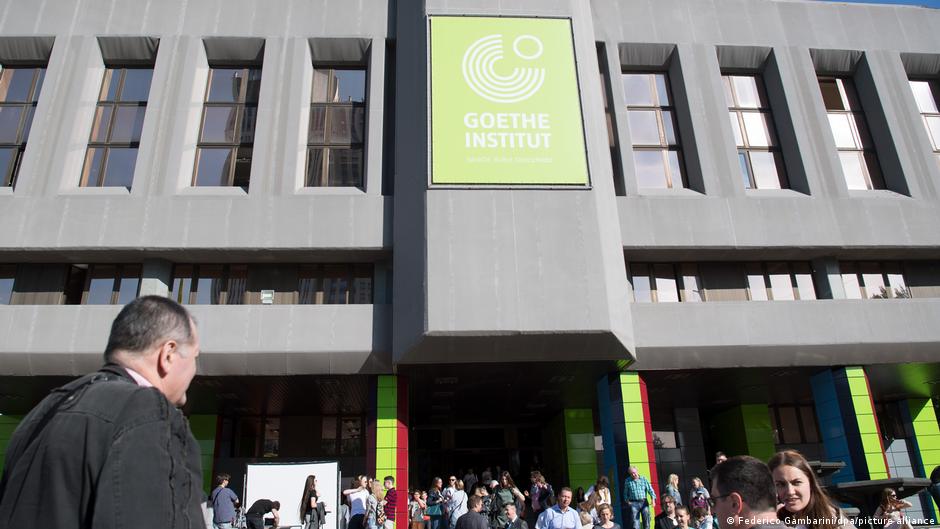
Russia’s foreign minister, Sergei Lavrov, said all three branches of Germany’s Goethe Institute in Russia will be closed after Berlin decided to terminate its agreement with Russia covering the Russian House in Berlin. The German move, according to the source article, came in response to a drone incident at Leipzig airport and formed part of a broader tightening of German sanctions against Moscow.
Lavrov made the announcement on Thursday, September 3, at the Eastern Economic Forum in Vladivostok. The remarks were broadcast on the Russian Foreign Ministry’s YouTube channel. In comments that frame the latest diplomatic rupture as reciprocal retaliation, Lavrov said Germany had Goethe Institute branches in Moscow, St. Petersburg and what he described as Yekaterinburg, adding that they would be closed after Russia’s cultural center was expelled from Germany.
“Of course, they will be closed, after our cultural center was kicked out from there. Otherwise we would not respect ourselves,” Lavrov said, according to the source text.
The source article notes that the institute’s own information indicates its third branch in Russia is not in Yekaterinburg, as Lavrov stated, but in Novosibirsk. Lavrov also said the German authorities had knowingly taken a step that clearly meant ending Germany’s cultural presence in the Russian Federation, which had remained in place despite what he called the “Ukrainian twists” in Russia’s relations with the West.
For market participants, the significance of the development is less about direct earnings exposure from cultural institutions and more about what it signals for the broader direction of Russia-Germany relations. The closure threat extends the pattern of retaliation that has accompanied sanctions, consular restrictions and transport-security disputes. Investors in European equities, sovereign debt and companies with residual operational, legal or counterparty links to Russia are likely to view such steps as another indication that normalization remains distant.
Sanctions Signal Adds to Investor Risk Calculus
Lavrov’s comments followed Germany’s announcement a day earlier that it would tighten sanctions against Russia after assigning responsibility to Moscow for the August drone incident at Leipzig airport. According to the source text, the decision was made after authorities studied the configuration of the unmanned aerial vehicles and certain components that had also been used in other hybrid incidents. German Interior Minister Alexander Dobrindt was cited in the article in connection with that assessment.
As part of the response measures, the German government decided that by September 18 it would close the last remaining Russian consulate general in the country, located in Bonn, and terminate the agreement governing the operation of the Russian House in Berlin, according to German Foreign Minister Johann Wadephul as cited in the source. The same agreement also regulated the work of the Goethe Institute in Russia, making the Russian response a direct countermeasure under the same bilateral framework.
Berlin will also tighten entry controls for Russian citizens and strengthen measures against Russia’s so-called shadow fleet, the source article said. Those steps matter more broadly for capital markets because they point to further enforcement pressure around sanctions compliance, logistics, shipping scrutiny and cross-border movement controls. Even without fresh numbers attached, that combination is relevant to investors assessing legal risk, financing conditions and headline sensitivity across sectors exposed to European sanctions policy.
In practical terms, the latest exchange reinforces a familiar message for investors: policy risk remains central to any Russia-related thesis. Each additional diplomatic or administrative measure can influence the pricing of companies with historical trade links, insurance exposure, shipping involvement or compliance burdens tied to sanctions enforcement. Bond investors and equity holders are not reacting to the closure of language and cultural branches as a standalone economic event, but as a marker of how quickly bilateral relations can continue to harden.
The source article also said Deutsche Welle had asked the Goethe Institute’s management for comment. No response was included. That leaves the immediate implementation picture incomplete, but the political direction set out by both governments is clear in the text: Germany is broadening its response after the Leipzig incident, and Russia is answering by targeting what remains of German cultural infrastructure on its territory.
From a capital-markets perspective, the episode fits into a wider pattern in which non-commercial institutions become entangled in sanction disputes and reciprocal state actions. Such measures can deepen the impression that the perimeter of geopolitical risk is widening rather than narrowing. For investors, that typically supports a more cautious stance toward assets or businesses vulnerable to sudden regulatory shifts, heightened scrutiny or abrupt interruptions in bilateral agreements.
What stands out in this case is the layering of responses. Germany’s package, as described in the source, spans sanctions, consular closures, entry controls and action against the shadow fleet. Russia’s answer reaches into cultural diplomacy. That sequence underscores how geopolitical shocks can spread across multiple policy channels at once, an important consideration for portfolio managers weighing European political risk, sanctions durability and the potential for spillover into sectors beyond those directly targeted.
While the article does not provide market-price data or immediate trading reactions, the policy substance alone is enough to keep attention on Europe’s sanctions architecture and on the continuing deterioration in institutional ties between Russia and Germany. Investors focused on regional risk will be watching whether the measures announced this week remain confined to diplomacy and enforcement or become a prelude to broader restrictions with more direct implications for trade, transport or financial flows.