Germany’s New Russia Sanctions Raise Geopolitical Risk for European Investors
Berlin’s move to shut Russian facilities and tighten controls adds a fresh geopolitical variable for European equities, energy-linked trade and risk sentiment.
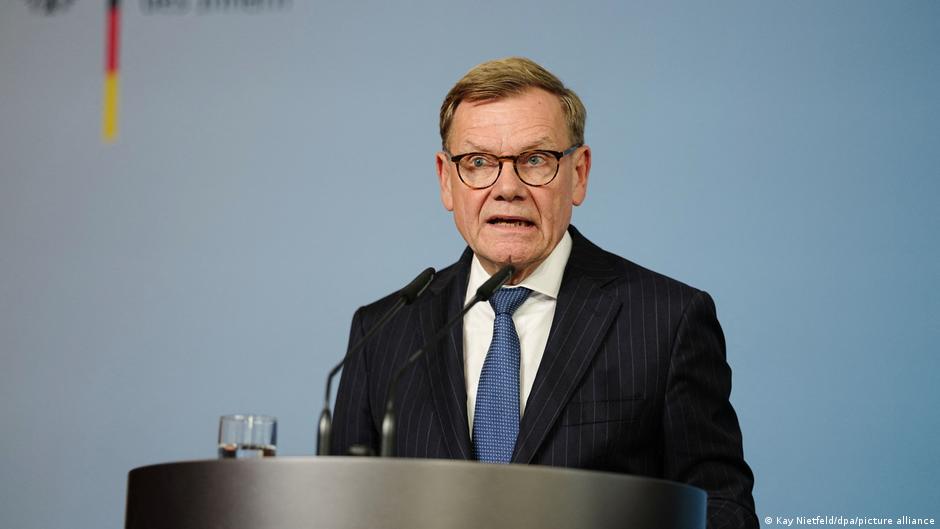
Germany has unveiled a new round of measures against Russia that its foreign minister, Johann Wadephul, said would materially restrict Moscow’s operating capacity in the country, a step that investors are likely to read through the lens of political risk, sanctions enforcement and the wider European security backdrop.
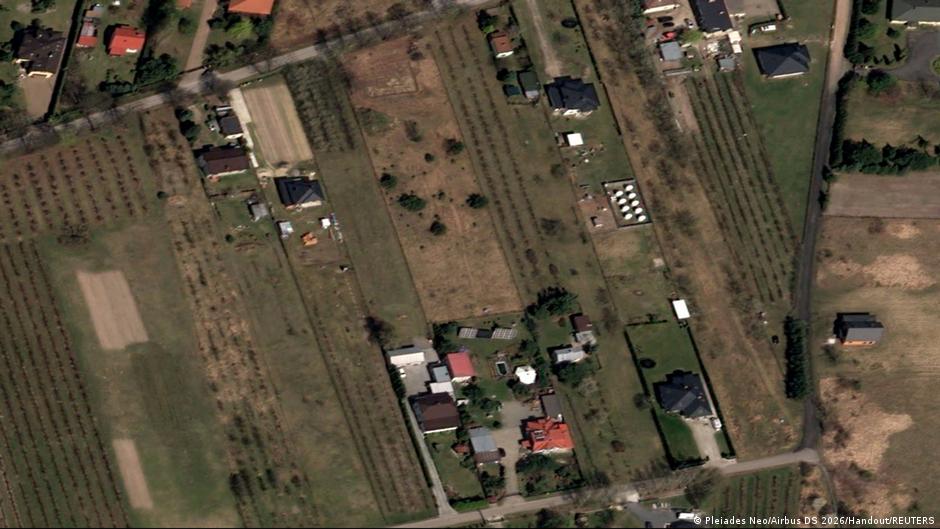
Wadephul said the closure of Russia’s consulate general in Bonn and the termination of the operating agreement for the Russian House in Berlin were a response to what Berlin described as Russian involvement in an attempted terrorist attack at Leipzig/Halle airport on August 4. He set out that position on Tuesday, September 1, in comments to German broadcasters ARD and ZDF.
“We must not leave Russia under any illusion that it can do such things without a response from Germany,” Wadephul said.
For markets, the immediate significance lies less in the direct economic weight of the two facilities and more in what the move signals: Germany is prepared to harden its response, keep pressure on Russian networks inside the country and consider additional steps, including measures tied to Russia’s so-called shadow fleet. That keeps sanctions risk and compliance scrutiny firmly in focus for investors exposed to European transport, insurance, shipping, energy logistics and cross-border trade.
Security response becomes an investor risk signal
Wadephul described the Bonn consulate closure as a “significant restriction” on Russia’s possibilities in Germany. According to the minister, the representation had been used extensively by various Russian agencies, not only the foreign ministry. In Berlin, he said, officials could not be certain that actions were not being carried out there that could harm German security.
He also said the Russian House in Berlin was no longer fulfilling its original purpose of fostering cultural ties between Russia and Germany. Germany will therefore terminate the agreement governing its activities.
Those statements matter for capital markets because they suggest Berlin sees the issue not as a symbolic diplomatic dispute but as one tied to domestic security and state-linked operational activity. That distinction can alter how investors assess future policy risk. Once a sanctions and countermeasure cycle is framed around security rather than routine diplomacy, market participants typically assume a lower threshold for follow-up action and a higher chance of broader enforcement.
Wadephul acknowledged that escalation by Russia could not be ruled out. But he argued the greater risk was that a lack of response from Germany might be interpreted by Moscow as an invitation to take further steps against Germany. For investors, that language reinforces a familiar European risk pattern: governments may accept a higher level of diplomatic friction in exchange for deterrence, even if that raises uncertainty for companies operating in sensitive sectors.
On the issue of Russia’s “shadow fleet,” Wadephul said nothing concrete had yet been decided. Even so, he made clear that Berlin intends to increase pressure and take further measures. He added that Germany is in talks with many countries where the “shadow fleet” is based and to which it delivers oil in circumvention of sanctions.
That is the point most likely to command attention in financial markets. Any tightening around ships, cargoes, insurance structures or sanctions-evasion routes can feed into broader questions about oil flows, freight risk and compliance burdens. The minister did not announce specific new restrictions, but the signal of continued pressure is itself relevant for investors who monitor sanction-sensitive supply chains and the legal exposure surrounding Russian energy trade.
Political support abroad, mixed reaction at home
On September 1, Wadephul and German Interior Minister Alexander Dobrindt formally stated that Russian authorities were involved in the attempted attack at Leipzig/Halle airport. In response, the German government decided to close the Russian consulate general in Bonn and terminate the agreement on the Russian House in Berlin. Germany will also tighten controls on the entry of Russian citizens and strengthen measures against Russia’s shadow fleet.
The response from Western allies was supportive. The European Union and NATO, along with the governments of several European countries, expressed support for Germany. That international backing may offer some reassurance to investors concerned about policy fragmentation in Europe, since coordinated messaging tends to reduce the risk of Germany acting in isolation.
Domestic reaction in Germany was more mixed. Some opposition politicians said the government’s countermeasures did not go far enough, while others warned they amounted to dangerous escalation. For markets, that split is notable because it points to two-way political pressure on Berlin: one camp wants stronger action, while another is uneasy about how far the confrontation could go. That leaves room for policy volatility, even if the strategic direction remains toward tighter pressure on Moscow.
Wadephul said he regretted that Russia had chosen what he called such a hostile course toward Europe and Germany. At the same time, he said Berlin wants constructive relations with Moscow and remains open to dialogue. He also expressed hope that Russia could be contained and brought back to a more reasonable course if it knows there will be a clear response, including from countries such as Germany.
That combination of deterrence and stated openness to dialogue is likely to be familiar to investors. It suggests Berlin is trying to preserve strategic optionality: increasing costs for Russia while avoiding a complete closure of diplomatic channels. In market terms, that may help limit the risk of abrupt policy shocks, though it does little to remove the underlying geopolitical premium attached to Europe.
Russian President Vladimir Putin, speaking on the evening of September 1, called Germany’s new sanctions a “gross mistake” and said there was no evidence of Russian involvement in the Leipzig airport incident. Russia’s embassy in Berlin, writing on the social platform X, described the accusations against Moscow as unfounded, absurd and contrary to common sense.
For investors today, the practical takeaway is not a single immediate market catalyst but a reinforcement of an existing theme: geopolitical risk in Europe remains active, sanctions policy is still evolving, and Germany is willing to move beyond rhetoric when it believes security lines have been crossed. That backdrop can shape sentiment toward European risk assets, especially where business models intersect with energy transport, regulatory oversight or cross-border political exposure.
Absent concrete measures on the shadow fleet, markets may avoid overreacting in the short term. But Berlin’s latest actions increase the probability that investors will keep assigning a higher premium to geopolitical uncertainty in Europe, with equities, bond spreads and sanction-sensitive sectors remaining particularly exposed to the next policy step.