Kyiv Energy Strike Raises Infrastructure and Market Risks for Ukraine
Power and water disruptions in Kyiv and Volyn sharpen investor concerns over Ukraine’s infrastructure, fiscal needs and economic resilience.
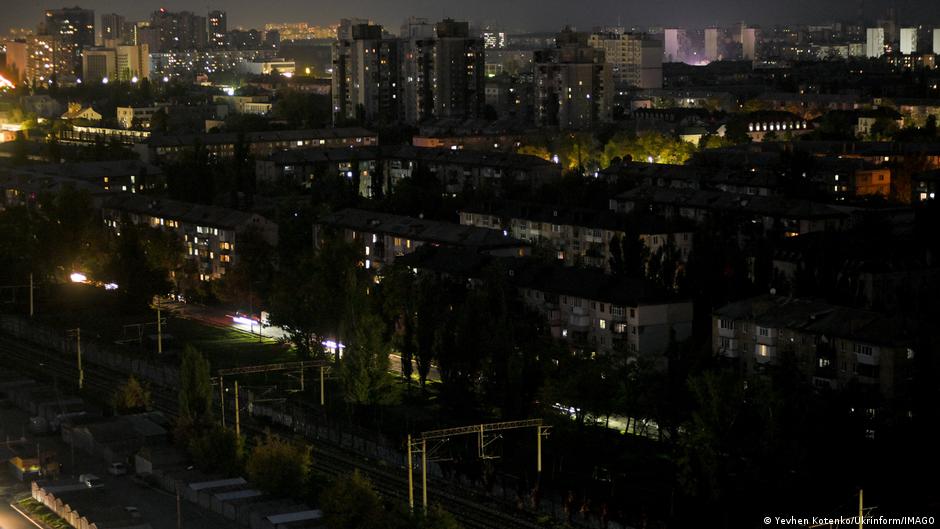
A Russian military strike on an energy facility in the Kyiv region caused electricity outages in parts of the Ukrainian capital and surrounding areas, adding a fresh layer of infrastructure risk for investors assessing the country’s economic resilience. Water pressure also declined in some Kyiv districts, while separate damage to power lines disrupted electricity and water supplies in the western Volyn region.
Ukraine’s Energy Ministry and Kyiv Mayor Vitali Klitschko reported the Kyiv-area outages on the evening of Thursday, Oct. 15. The ministry said repair crews would begin restoring electricity as soon as security conditions allowed.
“As soon as security conditions permit, crews will promptly begin restoring the electricity supply. Energy workers are doing everything possible to restore power as quickly as possible,” the ministry said.
Klitschko said damage to energy facilities in the Kyiv region had also reduced water pressure in parts of the capital. The disruptions underscore the close relationship between Ukraine’s electricity network and essential municipal services, including water pumping and sanitation.
Infrastructure risk remains central for investors
For capital markets, the immediate significance lies less in the temporary outage itself than in the potential for repeated attacks to produce cumulative economic damage. Electricity and water interruptions can constrain industrial production, retail activity, logistics and digital services, while forcing companies to spend more on backup generation and business continuity.
Utilities and other infrastructure operators face the direct burden of emergency repairs and replacement equipment. The wider costs can ultimately flow through Ukraine’s public finances, increasing reconstruction requirements and reinforcing the country’s reliance on external funding. Those pressures are relevant to holders of Ukrainian sovereign and quasi-sovereign debt, as well as investors monitoring any future restructuring, recovery financing or reconstruction-linked instruments.
The latest incident also highlights operating risks for companies with exposure to Kyiv, Ukraine’s largest business and administrative center. Persistent disruptions could weigh on revenue visibility and raise insurance, financing and capital expenditure costs. For investors, the central variables remain the duration of outages, the speed of repairs and the ability of Ukraine’s air defenses to limit further damage.
Volyn outages broaden the geographic impact
Russia also attacked the Volyn region on the evening of Oct. 15. Debris from drones intercepted by Ukrainian defenses damaged power lines, leading to interruptions in electricity and water supplies in Lutsk, the regional capital, according to Roman Romaniuk, head of the regional military administration.
Romaniuk said three jet-powered drones entered Volyn’s airspace during the evening air alerts and were shot down by air-defense forces. The resulting damage shows that even intercepted weapons can impose costs on regional networks and municipal services.
Volyn’s location in western Ukraine matters economically because the region lies farther from the main eastern and southern front lines. Disruptions there demonstrate that infrastructure risk is not confined to areas near active combat and may affect transport corridors, local businesses and communities across a broader portion of the country.
Reported attack plan points to a severe downside scenario
The New York Times reported that Russia had prepared a plan of attacks intended to disable Ukraine’s energy system and cut Kyiv, Kharkiv and Odesa off from electricity, water and heating supplies. The newspaper cited an intercepted Russian attack plan that Ukraine presented to European officials in early autumn.
According to the newspaper’s assessment, carrying out the plan would require about 70 ballistic missiles, 720 long-range drones and 150 guided bombs. Under that scenario, Kyiv, Kharkiv and Odesa would lose about 90% of their electricity-generation capacity, heat supplies would fall by 90%, and water and sewer systems would face serious disruption.
The report said Russia could seek to exploit shortages in Ukraine’s air-defense resources, particularly interceptor missiles for the Patriot system. For markets, that constraint raises questions about whether Ukraine can protect critical assets through periods of intensive attacks and how quickly Western partners can replenish defensive supplies.
Market implications extend beyond listed assets
Ukraine’s wartime market access remains constrained, so the effects of infrastructure attacks may not always appear immediately in conventional equity or bond trading. Nevertheless, the risk is important for sovereign-credit analysis, reconstruction estimates, private investment decisions and the valuation of companies with direct or indirect exposure to the country.
More frequent or prolonged outages could weaken economic activity and tax receipts while increasing government spending on repairs and emergency support. They could also delay private investment in sectors that depend on reliable power, including manufacturing, telecommunications, food processing and logistics.
Investors will therefore watch restoration times in Kyiv and Lutsk, further indications of network damage and developments in air-defense capacity. The speed at which services return will help determine whether the latest incidents remain localized operational disruptions or become part of a broader deterioration in Ukraine’s infrastructure and credit outlook.