EU Budget Deadlock Extends Uncertainty for Investors Until December
European leaders failed to bridge divisions over a nearly €2 trillion budget, leaving funding priorities and proposed EU taxes unresolved.
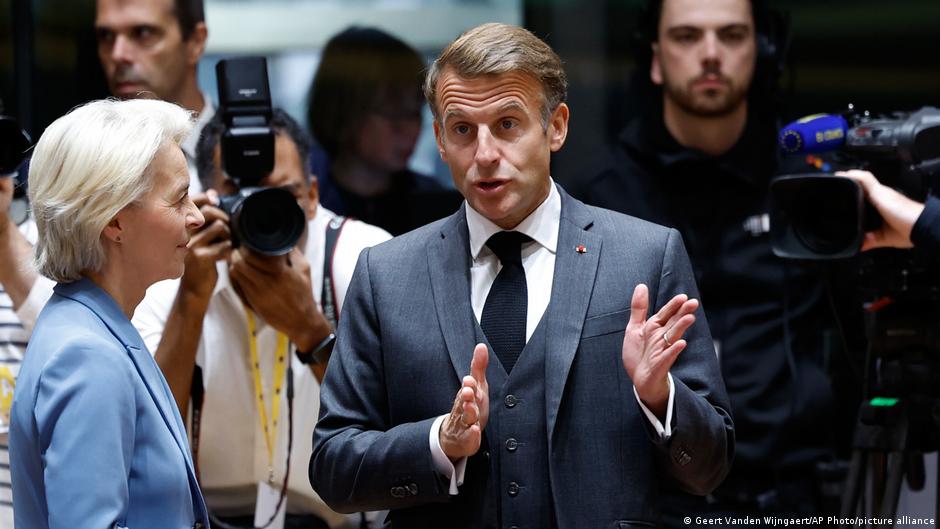
European Union leaders ended the first day of their Brussels summit without an agreement on the bloc’s next seven-year budget, extending negotiations until December and leaving investors with continued uncertainty over future public spending, taxation and fiscal priorities.
AFP reported early on Friday, October 16, citing German federal government sources, that talks among the EU’s heads of state and government had failed to produce a breakthrough. The sources described the discussions as contradictory, reflecting divisions that were already evident before the summit began.
The dispute pits a group advocating budget restraint—including Germany, Austria, Sweden, Denmark, the Netherlands and Finland—against countries such as France, Spain and Poland, which favor a larger EU budget. For capital markets, the outcome will help determine the scale and direction of long-term European spending in areas ranging from research and competitiveness to defense and foreign policy.
Spending cuts would reshape sector expectations
The European Commission presented a draft long-term budget of almost €2 trillion during the summer. Ireland, which holds the rotating presidency of the Council of the EU, proposed reducing that amount by €140 billion, or approximately 8%.
Ireland’s proposal would cut expenditure intended to support competitiveness, scientific research, defense and external policy. Those categories are closely watched by investors because EU funding can influence the outlook for companies exposed to public procurement, innovation programs, defense orders and cross-border investment initiatives.
No specific reaction in equities or bonds was reported following the first day of negotiations. However, the absence of an agreement leaves market participants without clarity on the eventual volume of EU spending or which sectors would bear the proposed reductions. A smaller budget could temper expectations for publicly supported investment, while a larger package could strengthen the prospective funding pipeline but raise questions about how additional resources would be financed.
Germany and several northern European countries are pressing for savings, while France, Spain and Poland support increasing the EU budget.
German Chancellor Friedrich Merz called before the talks for the Commission’s proposed budget to be reduced substantially. He also categorically rejected allocating additional resources to two traditional large spending areas: agriculture and cohesion policy.
That position adds another layer of uncertainty for businesses and regions that depend on established EU programs. Agriculture and cohesion spending affect rural economies, infrastructure and regional development, making the eventual compromise relevant to listed companies, lenders and sovereign or municipal issuers with exposure to EU-funded projects.
Proposed EU levies enter the investor calculus
France used the summit to advocate new EU-wide levies that could expand the budget without requiring higher contributions from member states. The measures under discussion include charges on digital services, cryptoassets and online gambling.
For investors, those proposals introduce potential policy risk for technology platforms, cryptocurrency businesses and online betting operators. The article provided no proposed tax rates, revenue estimates or implementation timetable, and the measures remain part of negotiations rather than an agreed policy. Their ultimate impact would therefore depend on the final design and whether all necessary political support can be secured.
The financing debate also matters for government bonds because the balance between national contributions, new common levies and spending reductions could shape perceptions of fiscal burdens across member states. With no compromise reached, investors must continue to assess several possible outcomes rather than a settled seven-year framework.
December becomes the next political deadline
The next EU summit is scheduled for December. Many of the bloc’s 27 member states want the long-term budget approved before the end of the year, partly because elections in several countries in 2027 could bring eurosceptic and populist forces to power.
In France, far-right politician Marine Le Pen could win the presidential election. AFP reported that President Emmanuel Macron has warned that reaching an EU budget agreement would be difficult in that event. The concern increases the political premium attached to the December negotiations: a delayed deal could face an even less predictable political environment.
Austrian Chancellor Christian Stocker did not rule out the possibility that negotiations could drag on into next year. Such a delay would prolong uncertainty around spending plans, sector allocations and potential new taxes, even if markets do not immediately reprice assets after every stage of the talks.
Investors will now look to December for signs of compromise between the advocates of restraint and countries seeking a more expansive budget. The key variables include whether the proposed €140 billion reduction survives, how deeply competitiveness, research and defense programs are affected, and whether EU-wide levies emerge as a politically acceptable source of additional revenue.