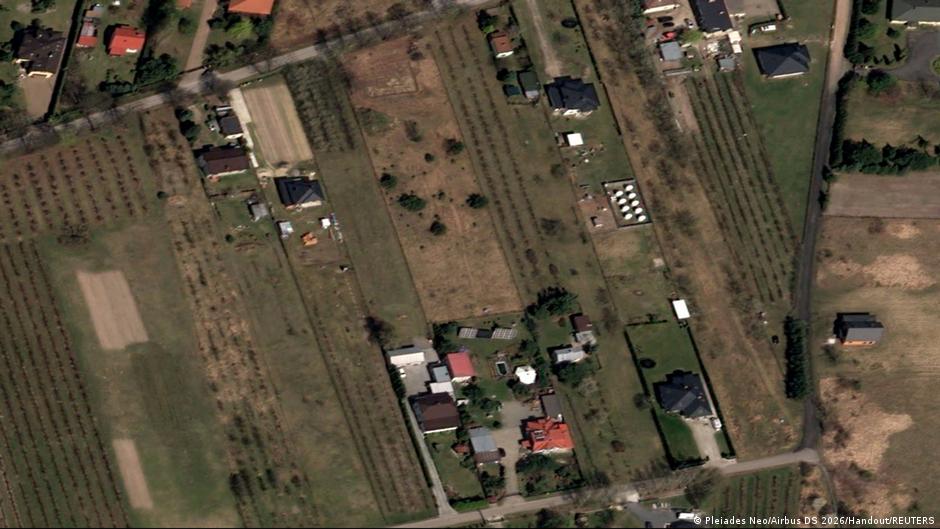
Moldova Drone Incursions Add Regional Risk for Capital Markets
Five drone incursions in one day underscore rising security risks for Moldova and investors exposed to Eastern European assets.
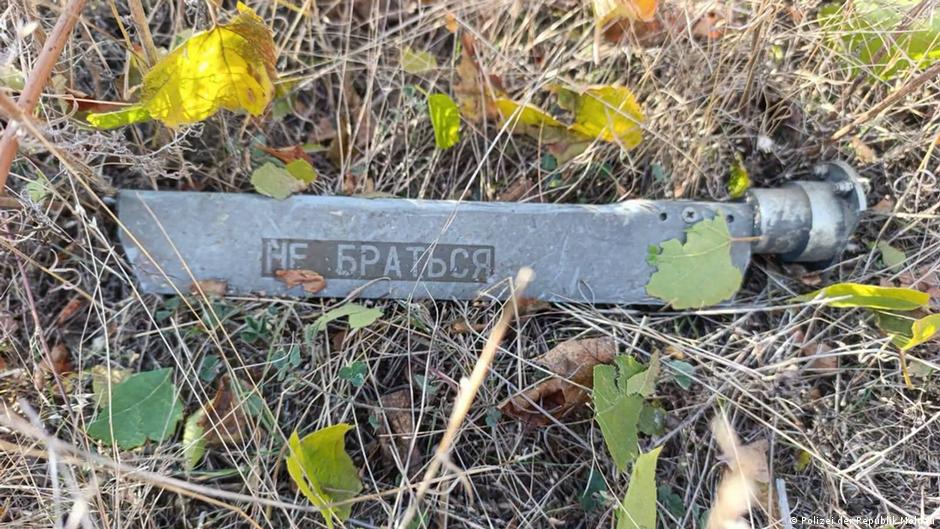
Moldova reported five drone incursions into its airspace on October 16, including one unmanned aircraft that crashed and exploded near the village of Novye Kodryany, about 50 kilometers from the Ukrainian border. The incidents add another layer of geopolitical risk for investors assessing Eastern European equities, sovereign bonds and currencies amid Russia’s continuing war against Ukraine.
The Moldovan Defense Ministry said the drone illegally entered the country’s airspace at 4:22 p.m. local time. At 5:06 p.m., officials announced that the aircraft had fallen and exploded. Moldovan police subsequently published a photograph of the wreckage on Facebook.
No immediate financial-market reaction was cited by the authorities. For investors, however, repeated incursions can influence the risk premium attached to Moldova and neighboring frontier markets, particularly when incidents involve explosive devices or occur close to transport, energy and agricultural infrastructure. The latest episode also highlights the potential for military activity linked to the war in Ukraine to spill across internationally recognized borders.
Repeated Incidents Raise Sovereign-Risk Concerns
Moldova’s Foreign Ministry “strongly condemned” the repeated violations of the country’s airspace, saying such incidents, among other consequences, “endanger the safety of citizens.” It called on Russia to halt its attacks on Ukraine immediately and comply with international law, including respect for Moldova’s sovereignty and territorial integrity.
Repeated airspace violations increase uncertainty for investors even when they do not cause casualties or immediate damage to critical infrastructure.
Several hours before the drone crash was announced, the Defense Ministry said Moldova’s airspace had been violated seven times since October 10 “against the backdrop of attacks by the Russian Federation on Ukraine.” Six of those cases involved drones: two occurred on October 15 and another four during the night of October 16.
The seventh incident was the October 10 crash of a drone carrying explosives in Geamana, a locality approximately 50 kilometers from the Ukrainian border. The concentration of incidents within a short period may sharpen investor attention on Moldova’s security spending, emergency preparedness and potential fiscal requirements.
For sovereign-bond investors, the central question is whether repeated incursions remain isolated security events or begin to affect public finances, trade routes, infrastructure or economic confidence. A sustained increase in perceived geopolitical exposure can raise government borrowing costs and reduce demand for less-liquid debt. Equity investors may likewise apply higher risk discounts to companies whose operations depend on cross-border logistics, stable energy supplies or consumer confidence.
Regional Assets Face a Wider Geopolitical Discount
The Defense Ministry said Moldova has recorded 64 violations of its airspace since the beginning of the year. Sixteen of them, including the October 16 incidents, occurred during October. Since 2022, when Russia began its full-scale war against Ukraine, the total number of recorded violations has reached 101.
Earlier in the month, on the morning of October 3, three missiles and two drones entered Moldovan airspace. All five fell on Moldovan territory, with no deaths or injuries reported. The Defense Ministry said that incident resulted from large-scale Russian strikes against Ukraine.
The absence of casualties in the October 3 episode may limit the immediate economic consequences, but the frequency of reported incursions matters for capital allocation. Investors typically distinguish between temporary volatility and a lasting change in a country’s security profile. Moldova’s latest figures suggest that airspace violations are recurring rather than exceptional, potentially affecting how international investors price tail risks.
The developments are also relevant beyond Moldova. Eastern European equity and bond markets can move together during periods of heightened geopolitical tension, particularly when investors reduce exposure to smaller or less-liquid markets. Banks, insurers, transport operators, utilities and agricultural businesses may receive closer scrutiny because of their sensitivity to physical disruption, trade interruptions and higher financing costs.
Investors will now watch for any evidence of damage to infrastructure, changes in border or aviation procedures, and additional measures by the Moldovan government. They will also assess whether the incidents prompt higher defense or civil-protection expenditure, which could affect fiscal planning, or alter diplomatic and security cooperation with Moldova’s partners.
For markets, the immediate issue is not a confirmed change in Moldova’s economic fundamentals but a rise in the probability assigned to adverse regional scenarios. Continued drone and missile incursions would reinforce the geopolitical discount already applied to assets exposed to the war’s periphery, while any reduction in cross-border incidents could help contain pressure on risk sentiment.