ICAO Urges Stronger Civil Aviation Safeguards as Ukraine Warns on Russia Airspace
The UN aviation body called for tighter conflict-zone protections after Ukraine formally warned that Russia’s airspace is becoming increasingly unsafe.
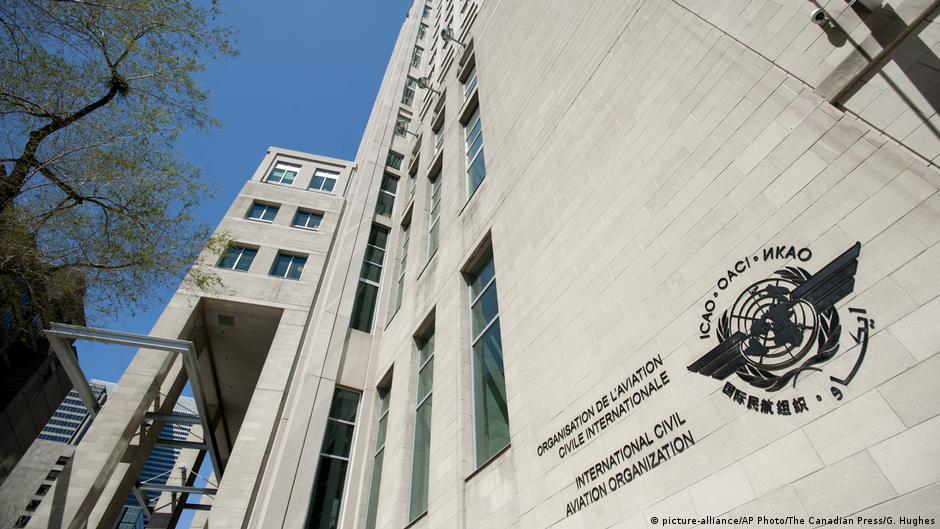
The International Civil Aviation Organization, the UN body responsible for global civil aviation standards, has called on states to strengthen protections for civilian aircraft operating near conflict zones after Ukraine formally notified the organization that flights over Russia have become unsafe because of intensified military activity.
The statement, published on Wednesday, September 2, stops short of naming either Russia or Ukraine. But the timing was significant for markets following transport, aerospace and insurance risk: it came hours after Ukrainian Foreign Minister Andrii Sybiha said Kyiv had officially informed ICAO that Russian airspace was unsafe and urged all parties to avoid it.
For investors, the immediate significance lies less in a formal closure order and more in the widening risk perimeter around civil aviation in a region already shaped by war, sanctions and elevated security costs. ICAO’s warning underscores that conflict-related threats to commercial aviation are no longer confined to front lines and can affect airline operations, aircraft routing, airport procedures and risk pricing more broadly.
Conflict-zone risk moves back to the forefront
ICAO said its appeal reflected a growing global threat from the use of weapons against civilian aircraft, as well as an increased risk that such aircraft could be directly targeted or caught in crossfire. The organization pointed specifically to drones, long-range weapons systems, air defense systems and radio-frequency interference devices that can disrupt navigation systems.
That language matters from a capital-markets perspective because it broadens the set of risks investors may need to consider across the aviation value chain. Airlines, lessors, airport operators, aerospace suppliers and insurers all remain sensitive to changes in perceived airspace safety, even when operations continue on schedule.
“Member states must promptly exchange threat information when certain activity creates risks for civil aircraft, strengthen risk-assessment and timely decision-making mechanisms, and improve coordination between military and civil authorities to prevent civil aircraft from being mistakenly identified as military targets,” ICAO said.
ICAO has 193 member states, effectively covering almost the entire international aviation system. That gives its warnings weight even when they do not translate into immediate binding restrictions. For markets, such statements can influence how airlines, regulators, counterparties and insurers assess operational exposure and contingency planning.
Sybiha said Russia was consciously ignoring existing threats caused by what he described as its aggression against Ukraine and that this had already led to several incidents in recent years. He argued that, amid what he called a sharp escalation in Russian terror against Ukraine, Russian airspace was becoming increasingly unsafe. He said Kyiv’s notice to ICAO was intended to prevent unintended incidents.
That sequence of events adds a new layer to aviation-related geopolitical risk. Ukraine’s step was not merely rhetorical; it was a formal notification to the main global aviation body. Even without an explicit ICAO reference to Russia, the issue is now more firmly lodged in the institutional framework that airlines and investors monitor when judging route stability and security exposure.
Political escalation meets operational continuity
The Ukrainian notification followed remarks on September 1 by President Volodymyr Zelenskyy, who said airspace over Russia would gradually close because of Ukrainian drones that Russian authorities were not properly disclosing. Zelenskyy said Russian skies were becoming completely unsafe and added that Ukraine did not want innocent people to die, which was why it was warning partners.
Russian President Vladimir Putin sharply rejected those comments, calling them a bid for state terrorism. Speaking during the night of September 2 after the Shanghai Cooperation Organization summit in Bishkek, Putin said that if such tragedies were to occur, Russia would find a way to respond and that no one should doubt that.
By the evening of September 2, Russia’s civil aviation authority, Rosaviatsia, said it was implementing additional measures together with other authorities to ensure the safe use of Russian airspace and to increase protection for transport infrastructure on the ground. The agency added that Russian air transport and its ground infrastructure were continuing normal operations, receiving and dispatching flights, including those of foreign airlines.
That official insistence on continuity is important for investors. In practical terms, Russia is signaling that there is no immediate operational shutdown. But the fact that extra safety measures are being introduced at the same time that ICAO is urging stronger safeguards and Ukraine is issuing formal warnings points to a higher-risk operating environment rather than a resolution of concerns.
For equity and credit markets, the key issue is whether this remains a contained security warning or starts to alter behavior among carriers, counterparties or regulators. Aviation names can be sensitive not only to realized disruptions but also to changes in route economics, insurance assumptions and passenger confidence. Bond investors, meanwhile, tend to focus on whether security-related costs or disruptions could affect liquidity, refinancing flexibility or state support expectations in exposed sectors.
No immediate market-wide repricing mechanism was announced in the statements themselves. Still, the combination of a formal Ukrainian warning, an ICAO appeal for tougher conflict-zone safeguards and a Russian pledge to tighten protective measures is likely to keep transport risk firmly on investors’ radar. The message from the aviation regulator is that the threat environment is widening, technologically complex and increasingly difficult to separate from day-to-day civil operations.
For now, the clearest takeaway for markets is not a change in legal status but a change in emphasis. Civil aviation safety over and around Russia has become a more explicit international concern, and that alone can shape how investors evaluate airlines, aerospace exposure and broader geopolitical risk in today’s trading environment.