US Strikes on Iran Persist Amid Rising Middle East Tensions Impacting Global Markets
Continuous US-Iran military clashes disrupt regional stability, influencing oil shipping and investor sentiment in capital markets.
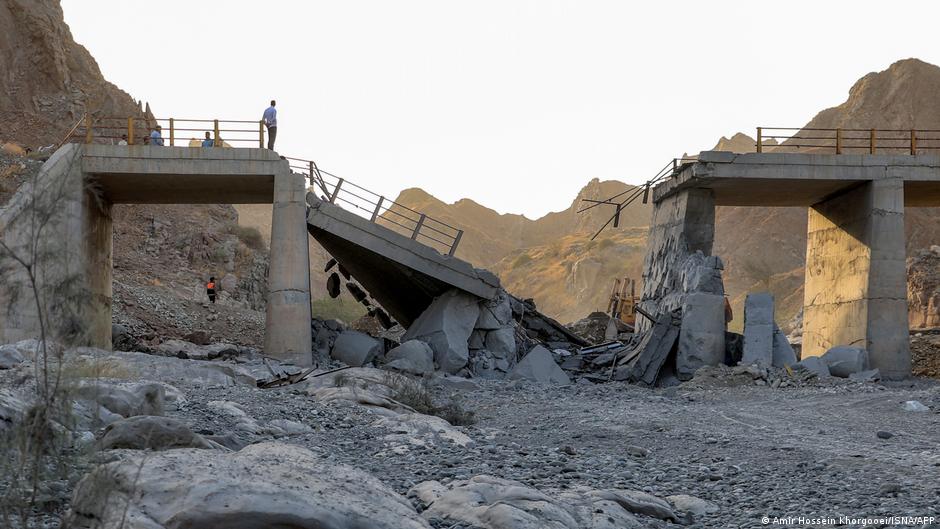
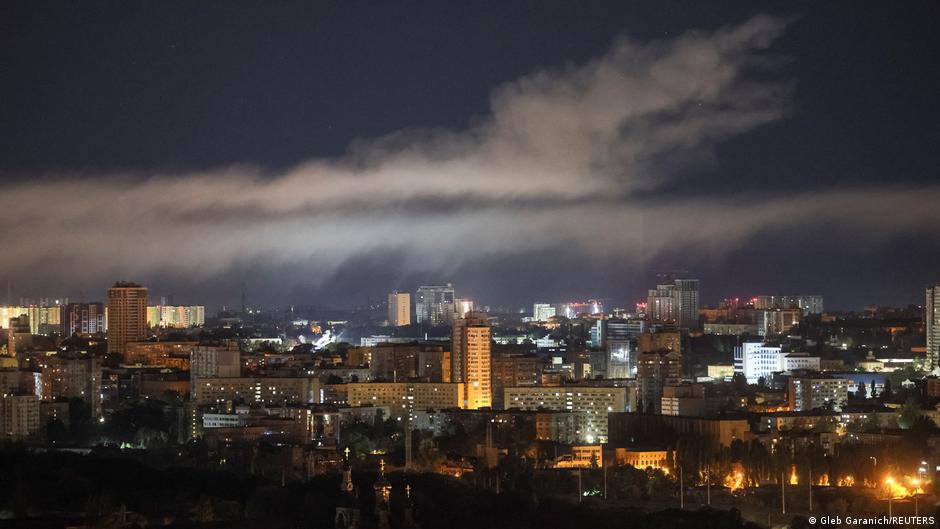
The United States military has conducted strikes against Iranian targets for the ninth consecutive night, escalating regional tensions and prompting significant reactions in global capital markets. These ongoing military actions come after the breakdown of a ceasefire between Tehran and Washington, with Iran responding by attacking US military facilities in Kuwait and Bahrain.
Market Implications of Middle East Military Escalation
According to the US Central Command (CENTCOM), the latest US strikes targeted Iranian military capabilities allegedly used to attack commercial ships and civilian mariners in the strategically vital Strait of Hormuz. These operations commenced early on July 20, Iranian time, signaling a sustained campaign to weaken Iran’s military influence in the region.
Iran’s retaliation includes attacks on US bases in Gulf states and the detention of two oil tankers near the Strait of Hormuz, which Iranian authorities claim attempted illegal passage. These tankers reportedly exploded, according to state media reports. The ongoing conflict has led to disruptions in maritime traffic through the Strait, a critical chokepoint for global oil supply.
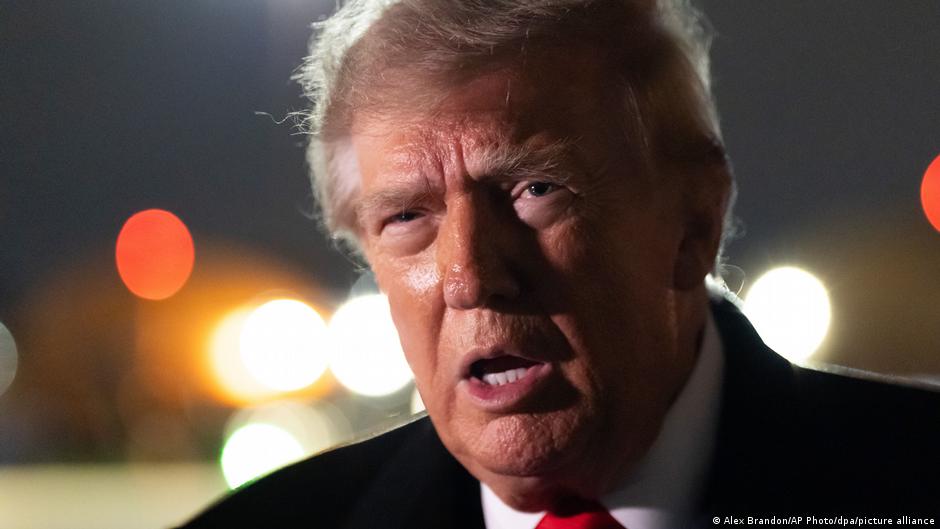
“Today we once again dealt them a very serious blow in honor of our fallen soldiers,” said US President Donald Trump, highlighting the administration’s resolve in response to the deaths of 17 US military personnel since the conflict escalated.
Shipping traffic data from the London Stock Exchange indicates a marked decrease in vessels passing through the Strait of Hormuz, with only four ships recorded on July 19 compared to eight on July 18. This reduction reflects heightened operational risks in one of the world’s most important energy transit routes.
Despite these disruptions, S&P Global reports that liquefied natural gas (LNG) production in Qatar and the United Arab Emirates remains comparatively stable. However, increased volumes of LNG are being stored on tankers awaiting safe passage through the Gulf, with approximately 1.9 million tons of LNG currently held on vessels in the region.
Investor Outlook: Energy Prices and Risk Sentiment
The sustained military conflict is contributing to volatility in energy markets, particularly affecting oil and LNG prices. Investors are closely monitoring how these developments will influence supply dynamics and geopolitical risk premiums. The potential for further escalation or negotiation progress remains a key uncertainty for equities and bond markets globally.
Capital market participants face increased risk aversion due to the threat of supply disruptions in critical energy corridors. This environment tends to favor safe-haven assets and may pressure equities in sectors sensitive to energy price fluctuations and geopolitical instability.
The situation underscores the intersection of geopolitical conflict and market dynamics, reminding investors of the vulnerability of global supply chains and the importance of strategic asset allocation during periods of heightened tension.