Russian Airstrikes on Zaporizhzhia and Sumy Raise Concerns for Ukrainian Market Stability
Recent Russian offensive using guided bombs in Zaporizhzhia and Sumy resulted in civilian casualties and infrastructure damage, impacting investor confidence.
On July 19, 2024, Russian military forces launched a series of attacks using guided aerial bombs targeting the Ukrainian cities of Zaporizhzhia and Sumy. The strikes inflicted significant damage on residential buildings and civilian infrastructure, causing casualties and raising alarms about the broader economic and market ramifications for Ukraine's capital markets.
Impact on Infrastructure and Market Sentiment
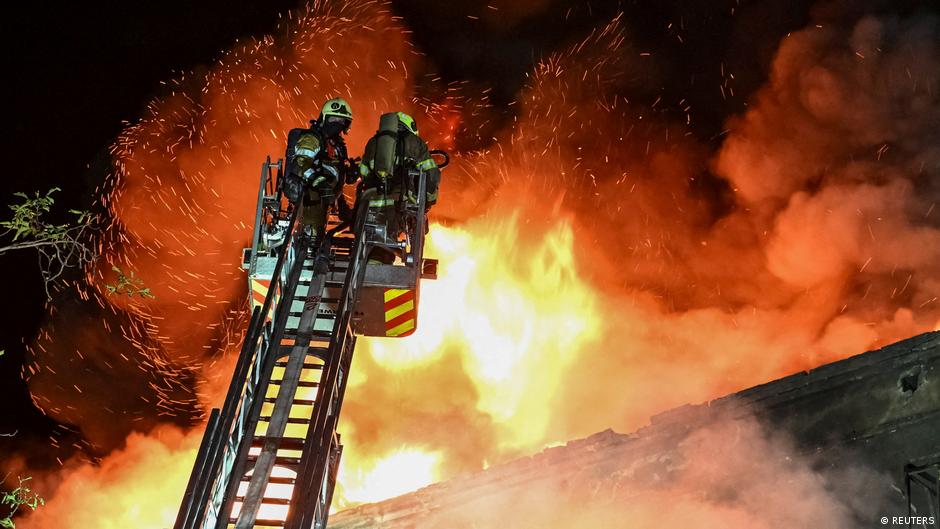
In Zaporizhzhia, the strikes completely destroyed two floors of a five-story residential building and damaged windows and balconies of a nearby nine-story structure. Additionally, a logistics operator's terminal caught fire, signaling disruptions to supply chains and commercial activities. Ukrainian emergency services reported at least two fatalities and more than 40 injuries, including eight children.
"The attack caused widespread destruction in both residential and industrial zones, further destabilizing the region's economic environment," noted local officials.
The city of Sumy also experienced a targeted aerial bombing that damaged civil infrastructure. Local authorities confirmed one death and multiple injuries, with at least seven guided bombs impacting the Kovpakivskyi district. The strikes affected residential neighborhoods as well as industrial areas, potentially disrupting local production and logistics.
These developments come amid ongoing conflict tensions, which have already exerted pressure on Ukraine's equity and bond markets. Investors are increasingly concerned about the security situation's direct impact on economic recovery and the stability of regional financial assets.
Market Reactions and Investor Implications
The immediate aftermath of the attacks saw heightened volatility in Ukrainian equities, especially stocks linked to regional infrastructure, logistics, and construction sectors. Bond yields on Ukrainian sovereign debt experienced upward pressure as risk premiums increased in response to growing geopolitical instability.
Analysts warn that continued military aggression targeting urban centers may undermine investor confidence and delay capital inflows necessary for reconstruction and growth. The destruction of logistics hubs and residential areas complicates efforts to stabilize supply chains and workforce availability, critical factors for economic normalization.
Investors monitoring Ukrainian markets should be aware of this evolving risk environment. Diversification strategies and risk assessments need adjustment to account for the potential prolongation of conflict and its cascading effects on market performance and asset valuations.