Russian Military Convoys Reverse Course After Ukraine’s Libya Strike
Two Russian military convoys reportedly changed course after Ukraine struck a corvette in Libya, adding geopolitical risk around Mediterranean shipping.

Two Russian military convoys reportedly changed course after Ukraine struck a corvette in Libya, adding geopolitical risk around Mediterranean shipping.

Cologne Bonn Airport briefly halted flights after a drone sighting, highlighting growing security and operational risks across European aviation.

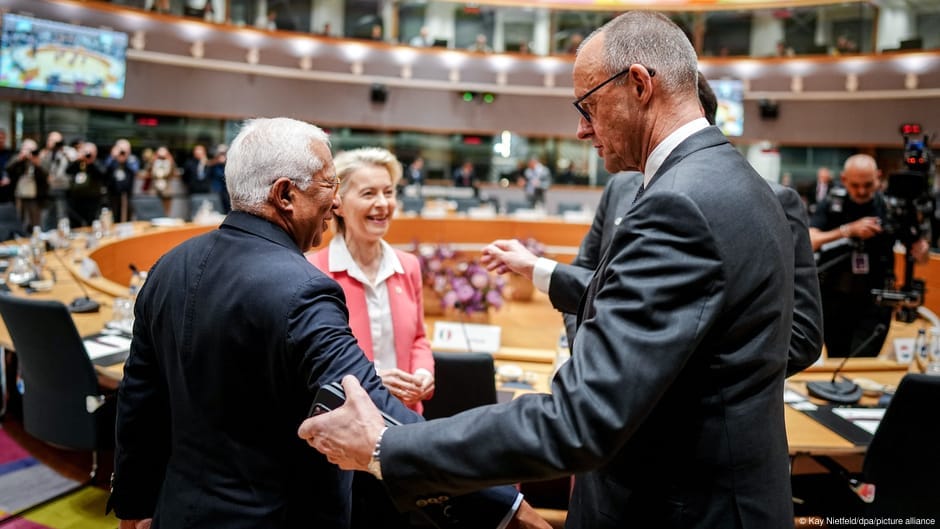
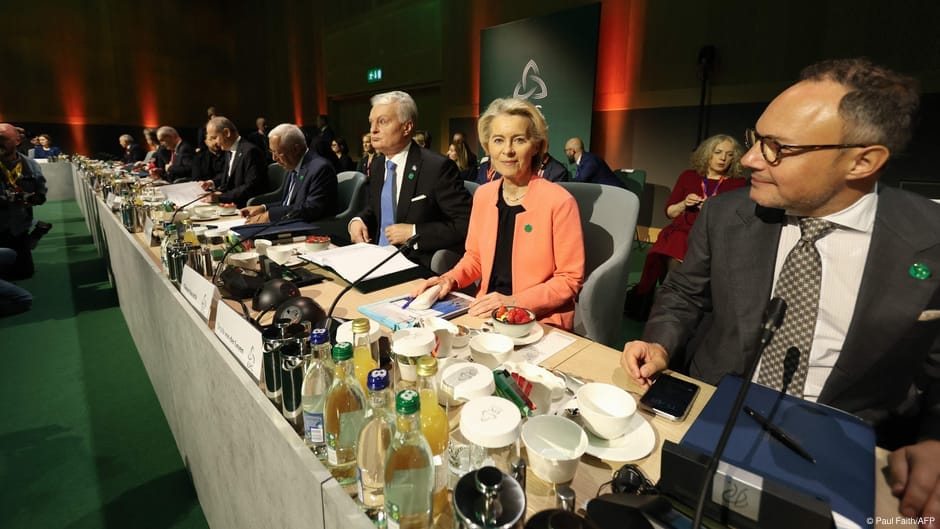
EU leaders ended budget talks early, leaving disputes over spending, common debt and national contributions unresolved until a December summit.

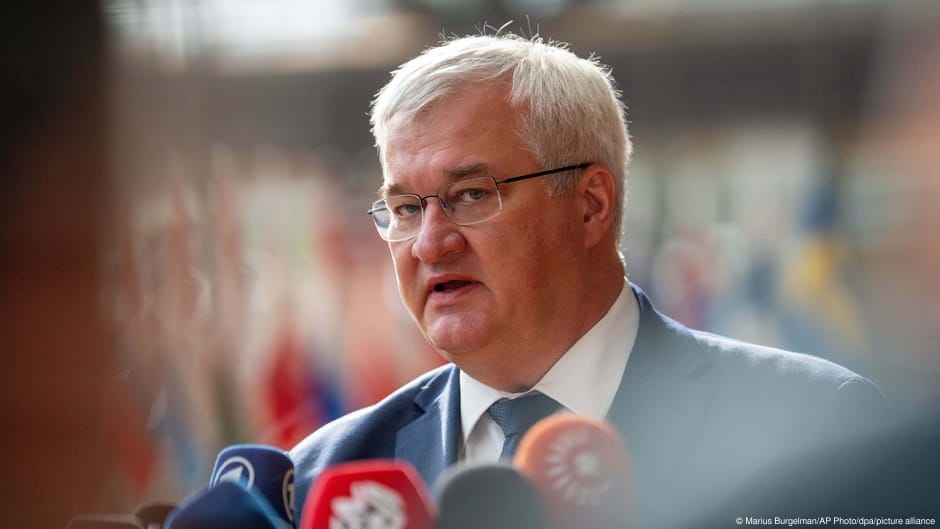
Ukraine sought to contain fallout from its Benghazi operation as investors weighed risks to energy, shipping, European unity and broader market sentiment.

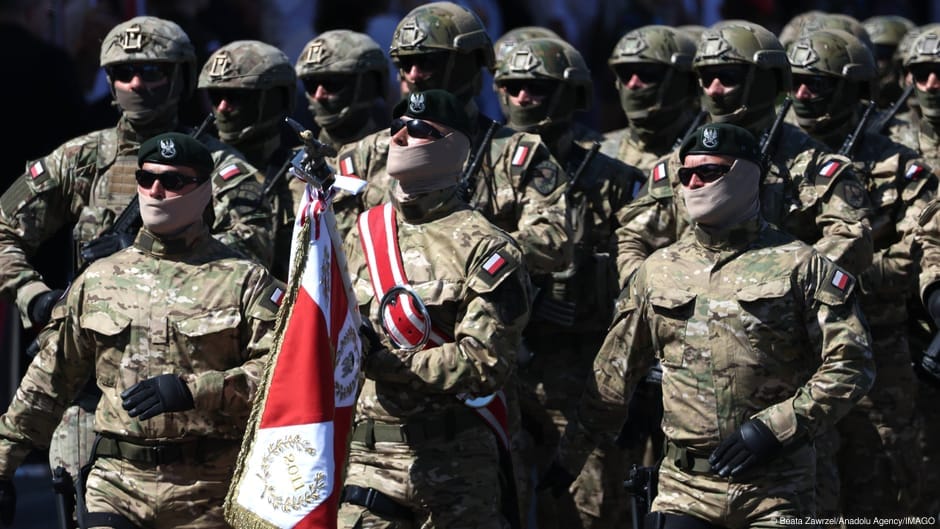
Poland plans an eastern no-fly zone by early 2027, increasing investor focus on regional security, defense spending and geopolitical risk.

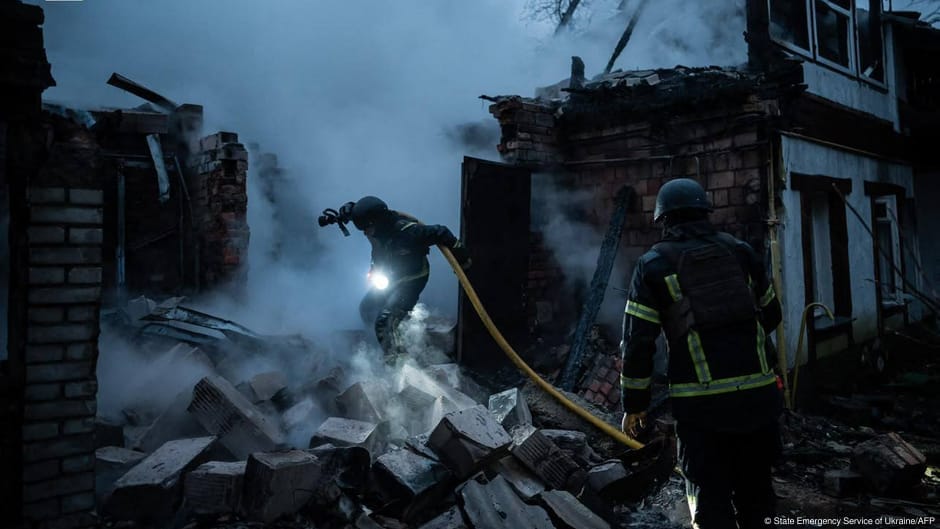
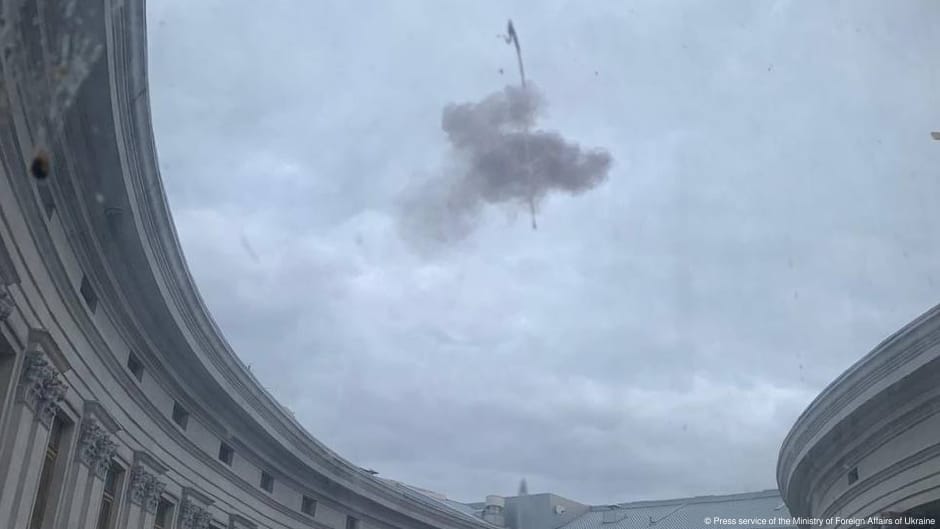
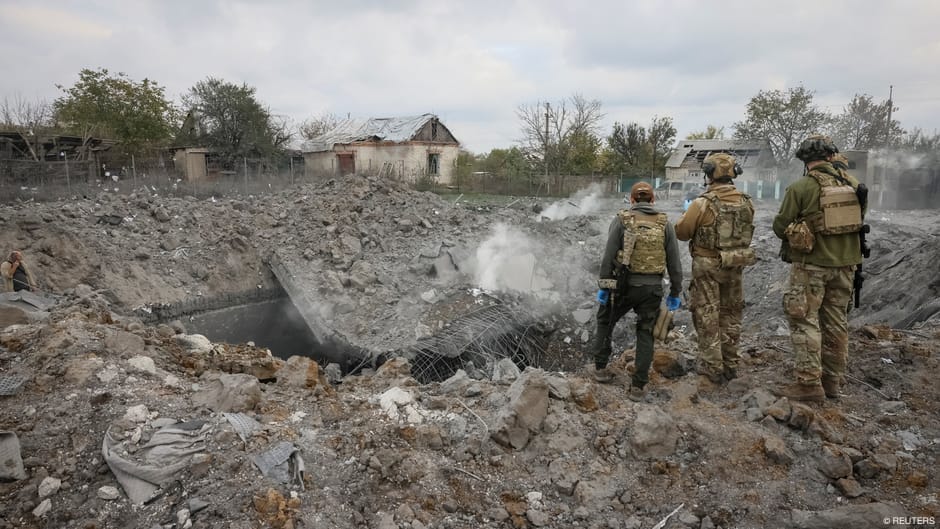
Missile and drone attacks across Ukraine damaged commercial, industrial and critical infrastructure, renewing investor focus on sovereign and operational risks.

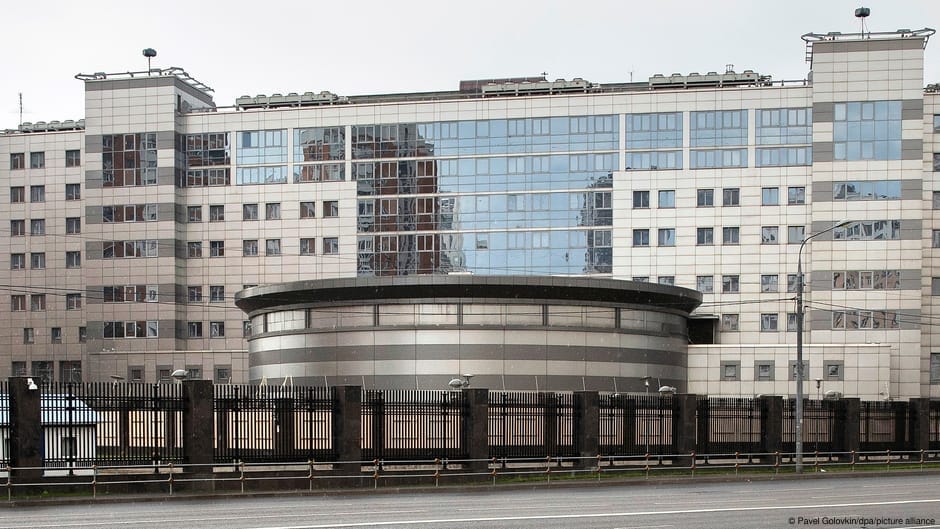
Lithuania’s foreign minister urged the EU to designate Russian military intelligence as a terrorist organization, adding to Europe’s geopolitical risk outlook.

Huawei’s conviction on 10 criminal counts adds financial, regulatory and geopolitical risk across global telecom and technology supply chains.

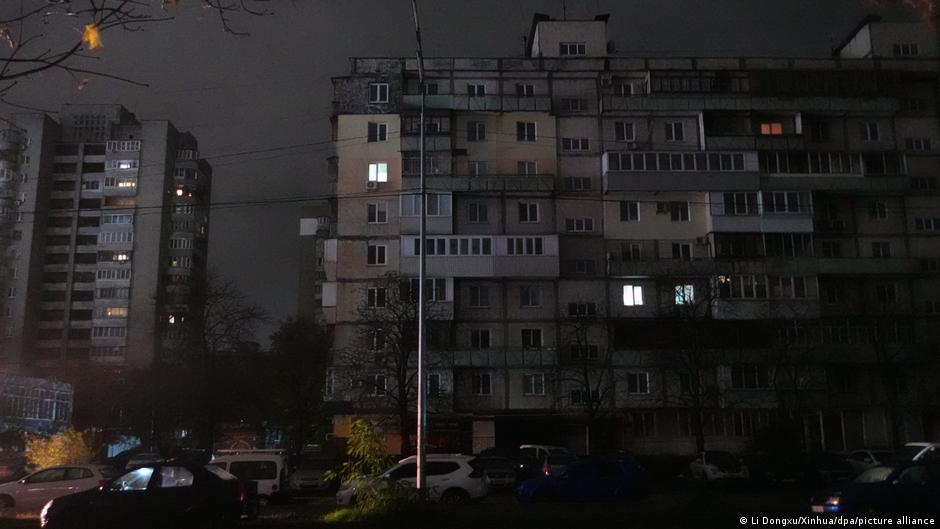
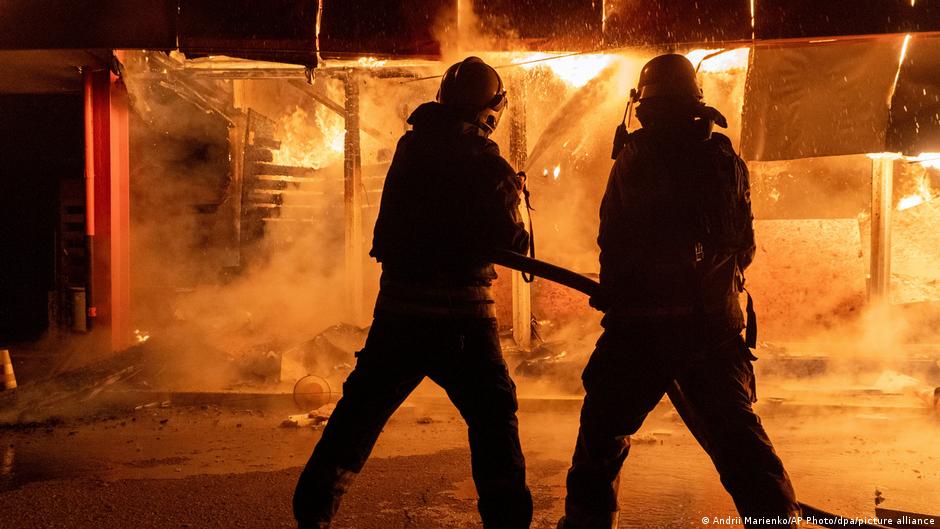
Deadly Russian strikes damaged civilian, commercial and energy assets as Ukraine imposed power restrictions affecting households and industrial activity.

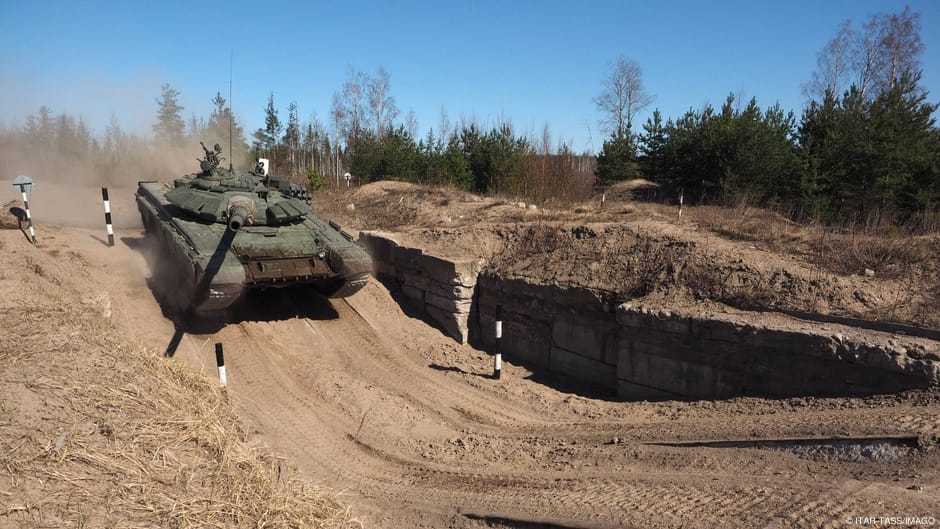
Russia’s expansion of the Kamenka military base near Finland adds to the long-term security risks monitored by Nordic equity and bond investors.

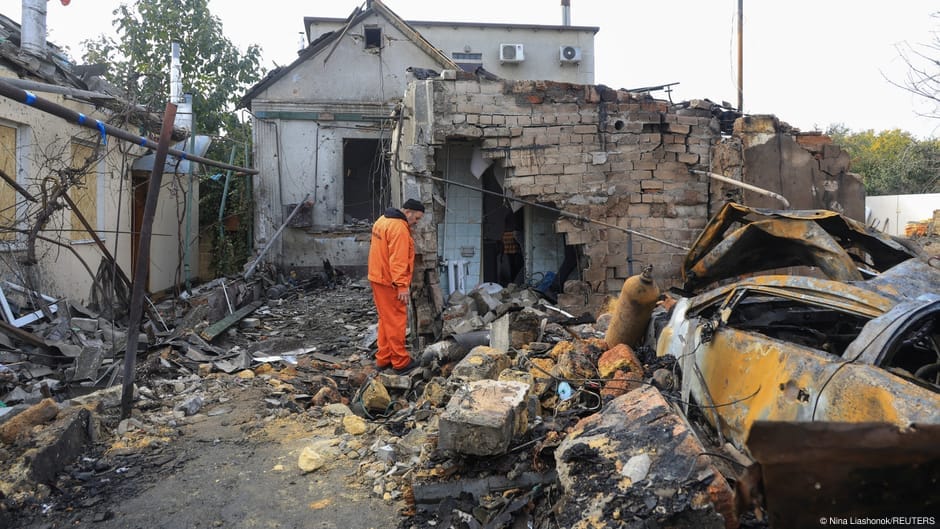
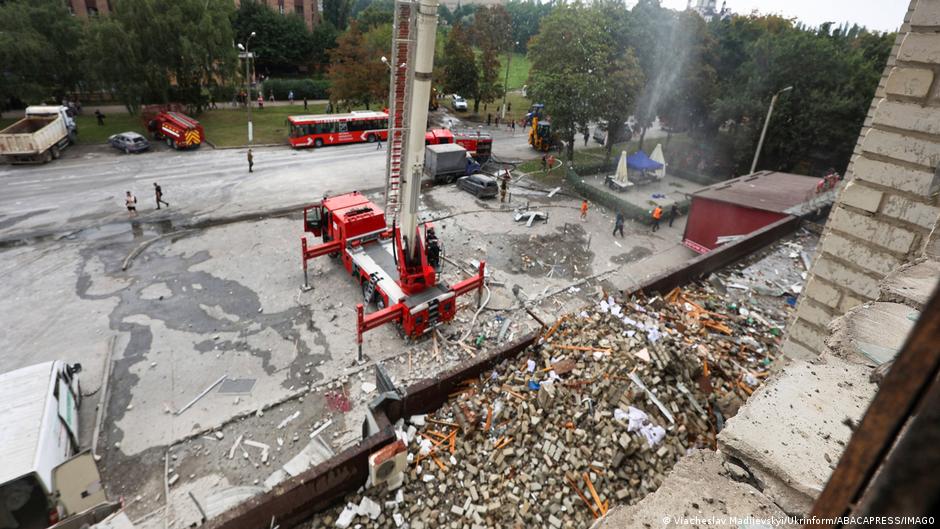
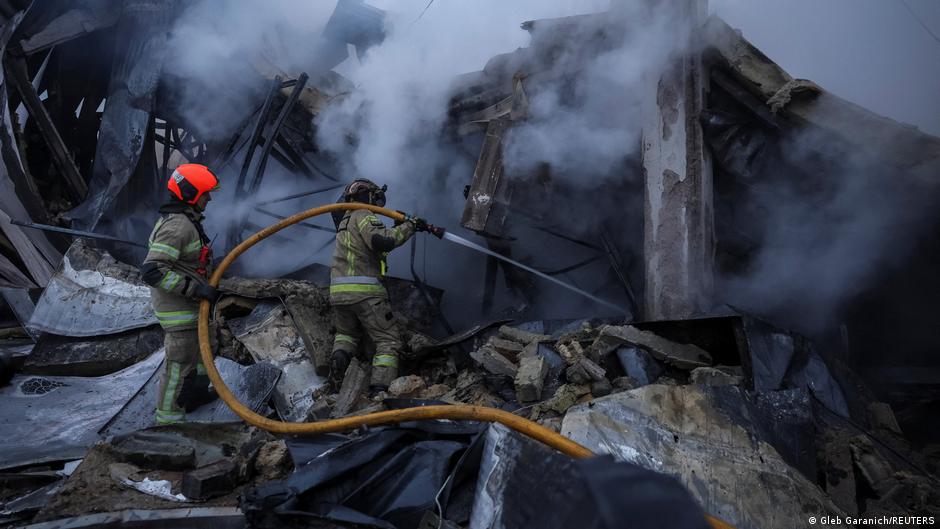
Deadly Russian strikes damaged homes, shops, businesses and energy infrastructure across Ukraine, renewing concerns over sovereign, corporate and reconstruction risks.

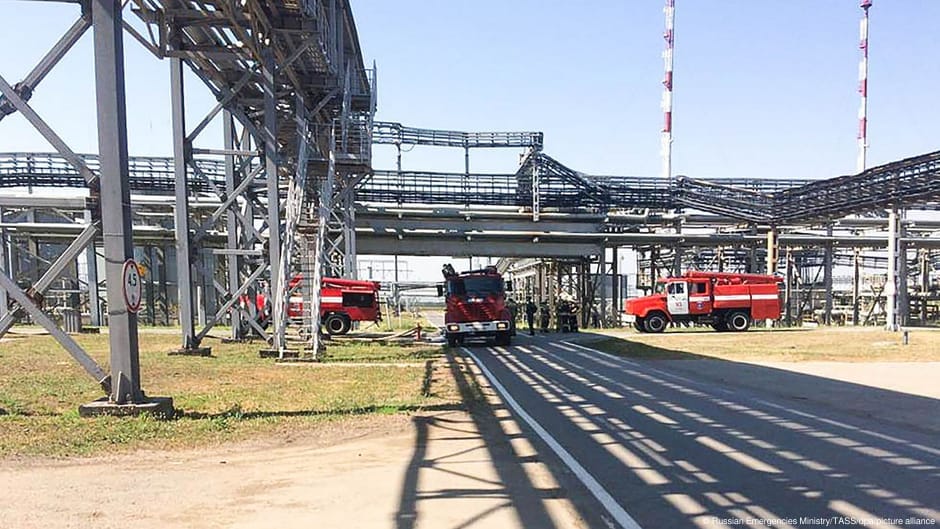
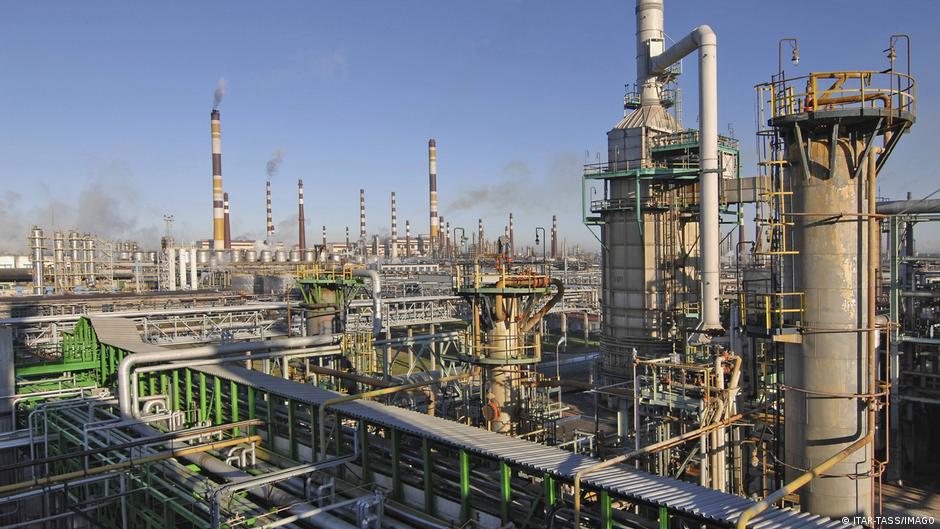
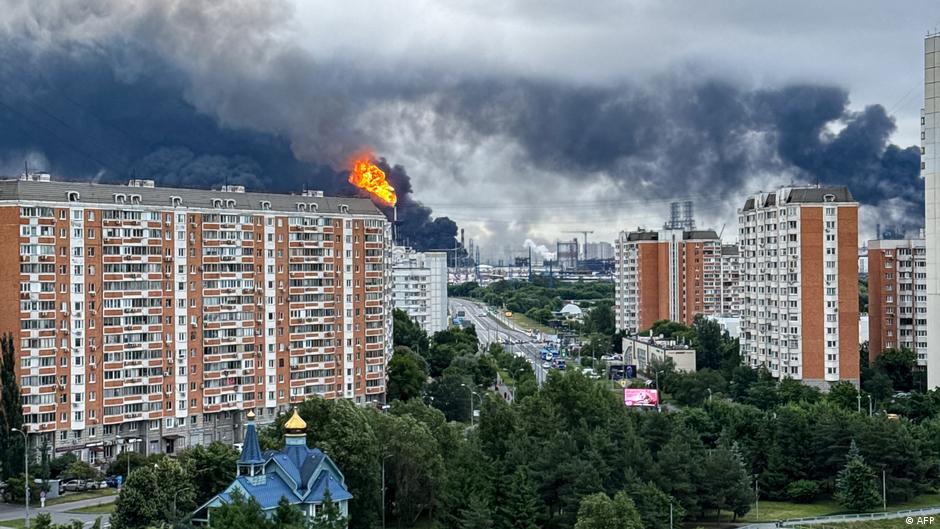
Reported fires near Russian refining and pipeline assets renew investor scrutiny of supply, logistics and operational risks, though disruption remains unconfirmed.

Democrats are set to hold at least 258 House seats and 56 Senate seats, giving investors greater clarity on the US policy outlook after the midterms.

A probable drone strike on a Krasnodar security facility and an unconfirmed refinery report put regional infrastructure risks back in focus.

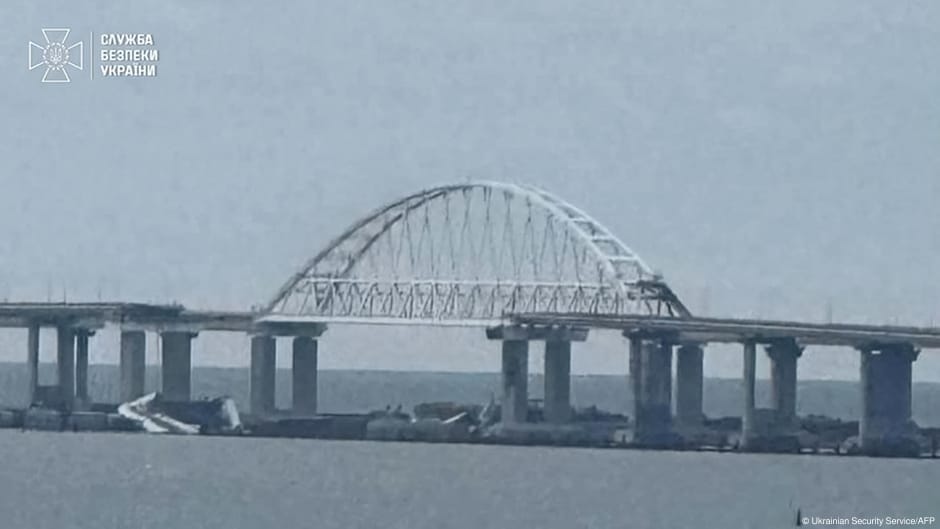
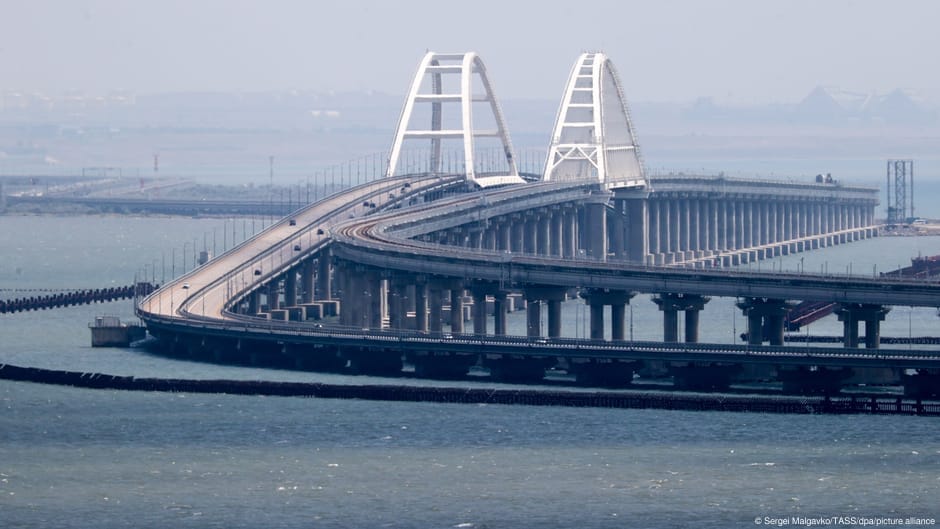
Zelensky warned the Crimea Bridge will not survive, while severe road and rail damage creates uncertain repair, logistics and fiscal risks.

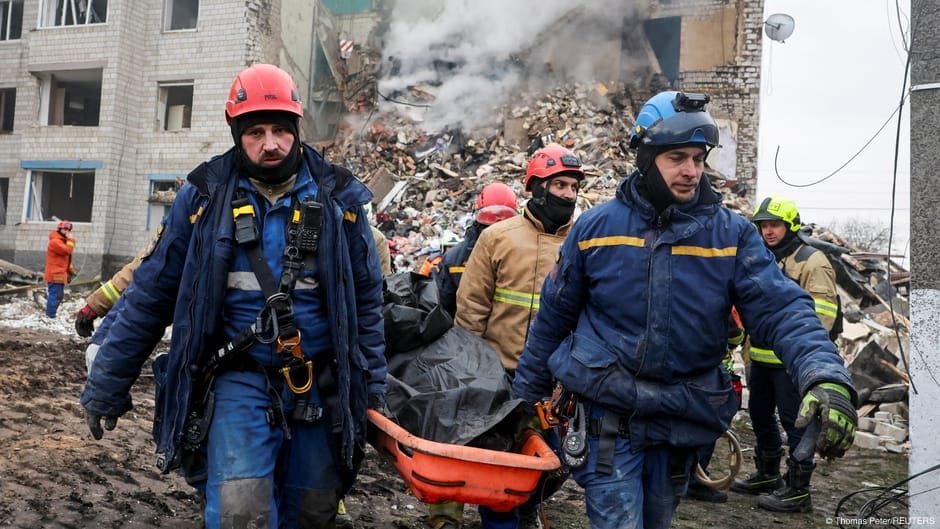
Ballistic missile strikes damaged Kyiv bridges and buildings, renewing investor scrutiny of infrastructure, energy security and Ukraine-related risk.

Elbridge Colby’s early exit from NATO talks exposes policy divisions that may affect European defense stocks, sovereign bonds and geopolitical risk premiums.

Reported Russia-linked payments by a Deutsche Bahn unit raise sanctions, governance and counterparty risks for European transport investors.

The confirmed toll from the Kamysevakha humanitarian-center strike reached 72, highlighting persistent security and financing risks for Ukraine-focused investors.

Attacks on bridges in Kyiv and the Kerch Strait renew scrutiny of infrastructure, logistics and geopolitical risks affecting Ukrainian and Russian assets.

A German poll shows broad concern about Russia but a near-even split on restoring Russian energy imports, underscoring risks for defense, industrial and bond investors.

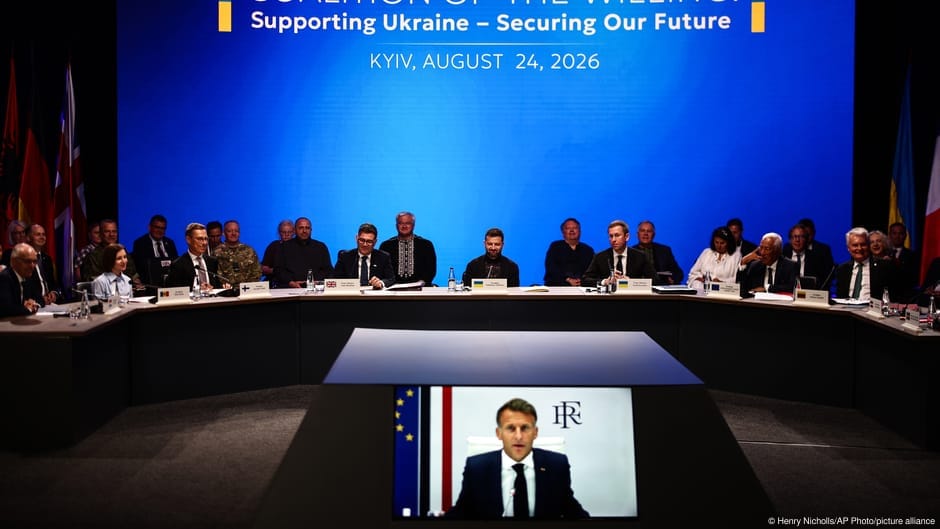
Kyiv is seeking a unified European negotiating position while pressing allies for air-defense missiles and additional energy support.

The Pentagon plans to withdraw about 5,000 US troops from Europe rather than 25,000, reducing security uncertainty while sustaining NATO defense spending.

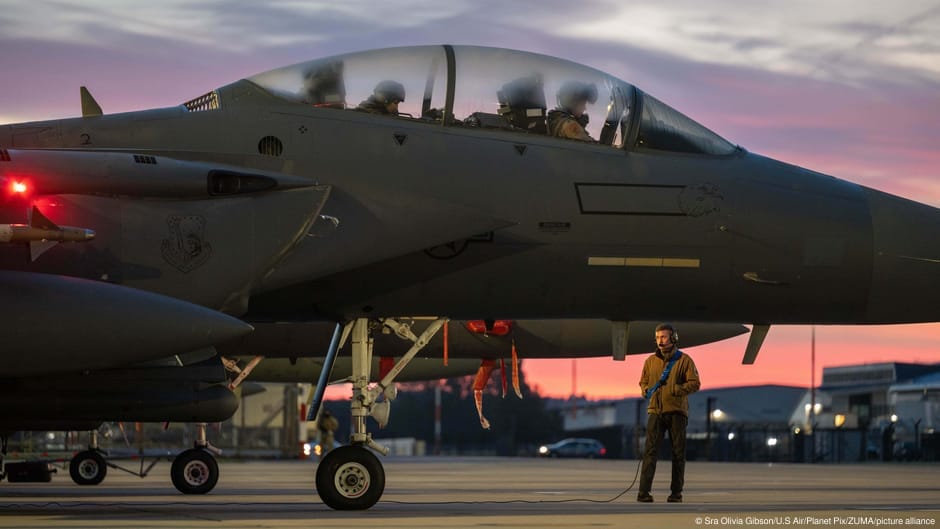
Suspected drone activity at RAF Lakenheath caused no reported damage but adds to investor concerns over geopolitical risk and infrastructure security.

A four-hour FAA ground stop exposed outdated aviation systems and prompted a $50 billion funding request, raising new risks and opportunities for investors.

Nearly 40 European states adopted a security charter that puts defence spending, cybersecurity and sovereign financing in focus for investors.

Russia and Ukraine agreed to include European partners in the next peace talks, putting postwar security and regional geopolitical risk in focus for investors.

Kyiv and Moscow discussed exchanging up to 3,000 prisoners as talks expanded toward energy, Black Sea security and possible leader-level diplomacy.

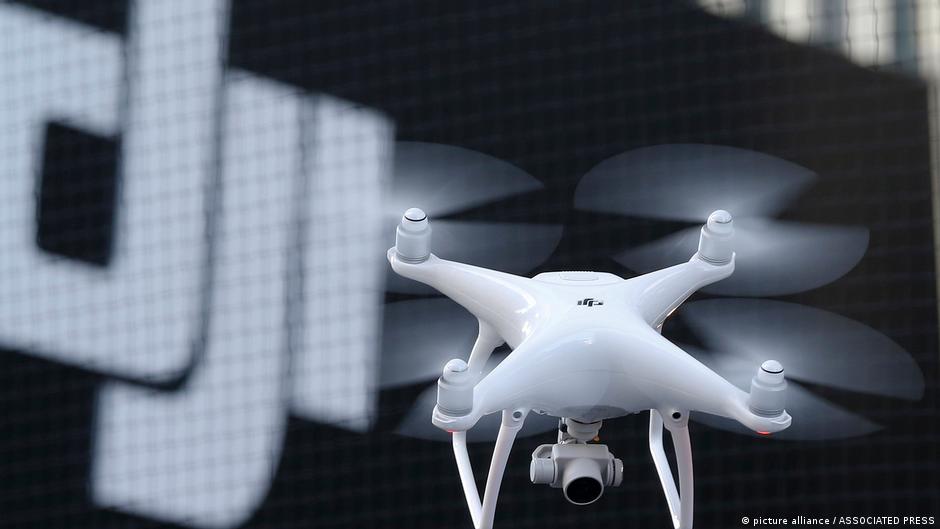
Germany’s military ban on Chinese drones and cars at sensitive sites raises regulatory risks for Chinese manufacturers and opportunities for European suppliers.

Moldova opened a Romania-linked power line to diversify electricity supplies, reduce Russian exposure and deepen integration with Europe’s energy system.

Nvidia’s board is investigating Jensen Huang’s reported relationship with a suspected Chinese intelligence asset, adding governance risk for investors.

A drone attack on Surgutneftegas’ Kirishi refinery puts a facility responsible for roughly 7% of Russian oil processing under renewed investor scrutiny.

Gadi Eisenkot will receive a mandate to form Israel’s government, placing coalition arithmetic and political risk at the center of investor attention.

A clash between Zelensky and Kyiv Mayor Vitali Klitschko highlights energy infrastructure and political risks facing investors in Ukraine.

Germany plans an extra €100 million for Ukraine’s critical infrastructure, highlighting winter energy risks and Europe’s continuing fiscal exposure.

Melania Trump will discuss the Oleshky ceasefire with Russian and Ukrainian representatives as markets watch for signs of broader de-escalation.

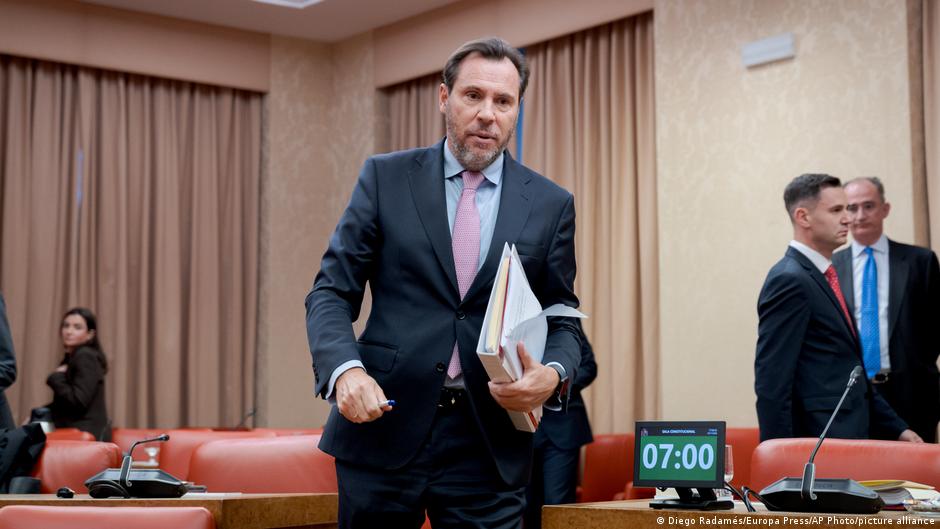
Oscar Puente resigned after a Toledo rail crash killed 69 people, sharpening investor focus on Spanish infrastructure spending, safety systems and political risk.

Russia and Ukraine will meet in Abu Dhabi on November 10-11 as investors assess the implications for European assets, sovereign debt and reconstruction.

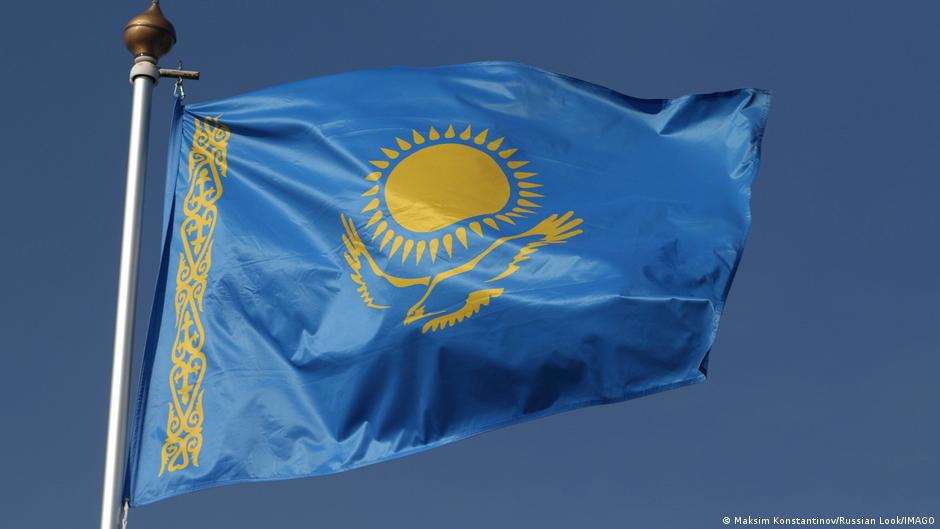
Kazakhstan detained 10 people in an alleged extremist-group case in Atyrau, putting regional security and political risk on investors’ watchlists.

False nuclear and radiation alerts in Ukraine and Russia highlight cyber vulnerabilities and the risk of headline-driven volatility for regional investors.

A US proposal to restart Russian gas transit through Ukraine could reshape European energy costs, sanctions risks and the outlook for LNG-linked investments.

Trump questioned the FBI’s claim that North Korean hackers stole $6.3 billion from Binance as the exchange continues reimbursing affected customers.

Russian strikes killed civilians and damaged transport, industrial and commercial assets across Ukraine, renewing infrastructure and reconstruction risks.

A reported Ukrainian pause in attacks on Russian refineries may ease near-term fuel supply risks, but its informal and reversible nature leaves investors exposed to renewed volatility.

New UK and Dutch aid for Ukraine combines defense spending, export guarantees and reconstruction funding, drawing investor attention to fiscal risks and future contracts.

The Pentagon watchdog redirected a bipartisan request to probe Starlink disruptions, raising governance and contracting questions for defense investors.

A Russian drone strike injured four people and damaged residential and industrial property in Kharkiv, reinforcing the security risks surrounding Ukrainian assets.

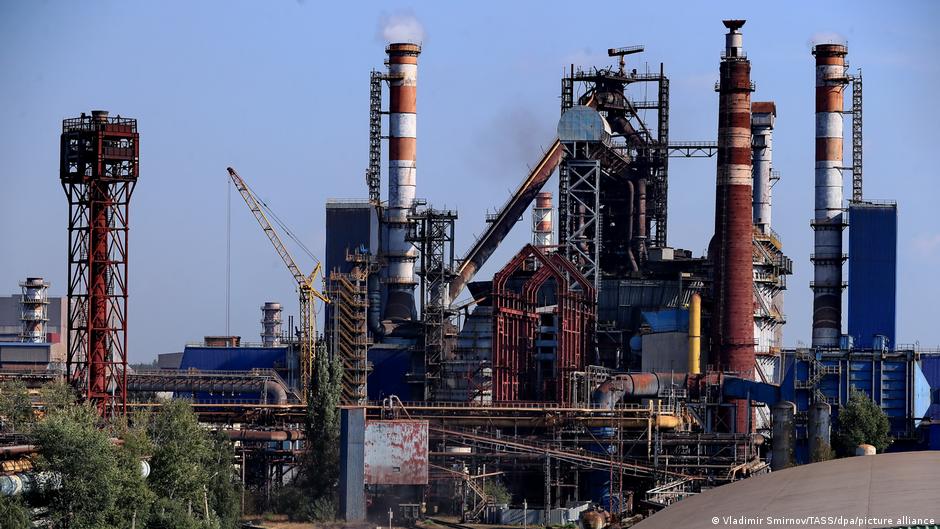
Reported attacks near Russian steel, chemical and military sites renew scrutiny of operational and credit risks across industrial assets.

Missile strikes on Kyiv and Kharkiv killed at least three people, injured 14 and renewed geopolitical concerns for investors exposed to the region.

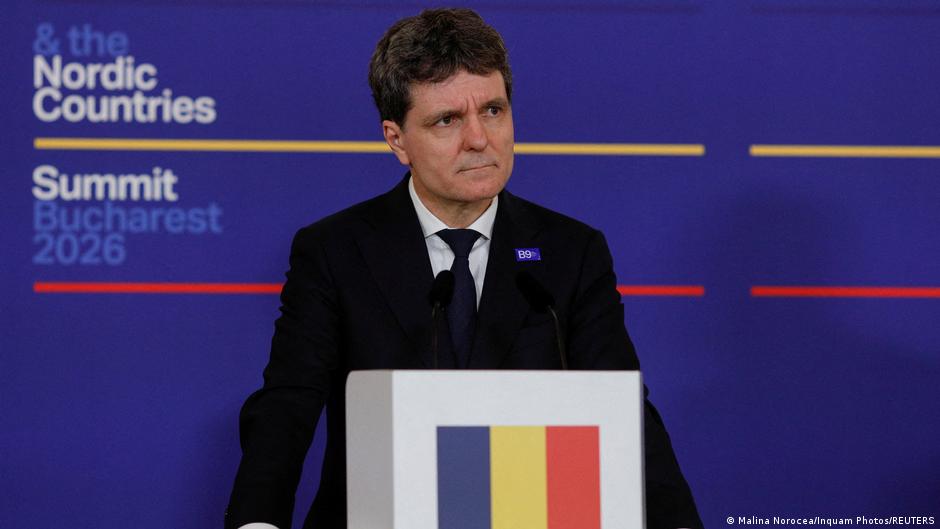
Romania says a Russian-coordinated network targeted the Carfil arms plant, highlighting security and operational risks across Europe’s defense supply chain.