Romania Uncovers Alleged Russian Plot Targeting Carfil Arms Plant
The reported sabotage attempt highlights growing security and operational risks for European defense manufacturers and their investors.
Romania’s domestic intelligence service said it had uncovered a Russian-coordinated sabotage network that previously attempted to set fire to an arms-production facility, adding another security risk for investors assessing Europe’s expanding defense industry.
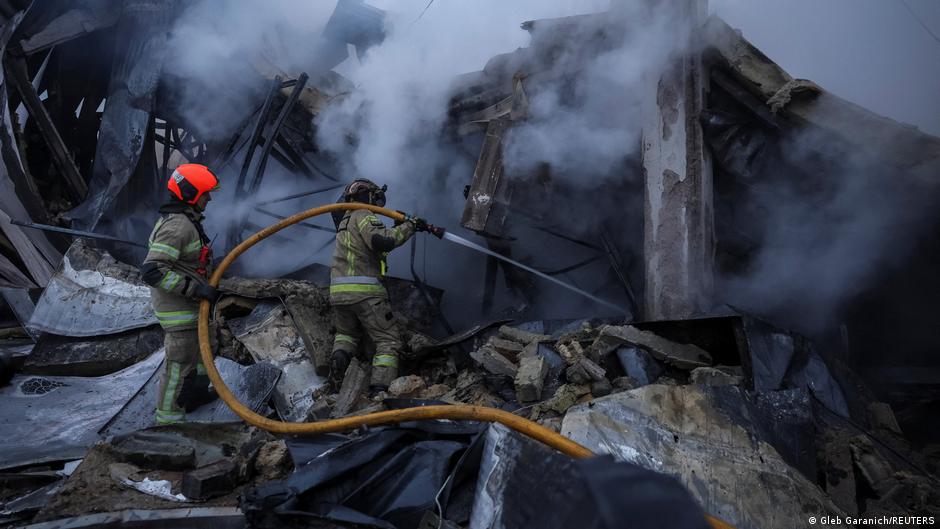
The Romanian Intelligence Service, known as SRI, said on Monday, October 26, that the network was “directly coordinated by the intelligence services of the Russian Federation.” According to the agency, the group attempted on September 14 to set fire to the Carfil weapons factory in Brașov, a city in central Romania.
The suspects include two Belarusian citizens and one Ukrainian citizen. Romanian television channel Știri reported that two were detained in Germany while preparing similar acts of sabotage, while the third is wanted in Poland. Bucharest is seeking their extradition to Romania.
“The coordinators in the Russian Federation identified an extensive list of targets in the region for the group: state-owned and private arms manufacturers, as well as other sites of military and industrial interest,” Romania’s intelligence service said.
Reuters was unable to immediately contact the Russian Embassy in Bucharest for comment. Moscow has repeatedly denied similar allegations.
Defense supply chains face a widening risk premium
The disclosure has direct implications for investors exposed to European defense equities, industrial suppliers and government-backed arms-production programs. The source report provided no specific share-price, bond-yield or currency reaction, but the alleged targeting of both public and private manufacturers points to risks extending beyond a single company or facility.
For equity holders, repeated sabotage attempts could raise security, insurance and business-continuity costs across the defense supply chain. They could also complicate production schedules at a time when NATO members are supporting Ukraine and seeking to increase military output. For bond investors, the incidents may sharpen scrutiny of capital spending, contingent liabilities and state support for strategically important manufacturers.
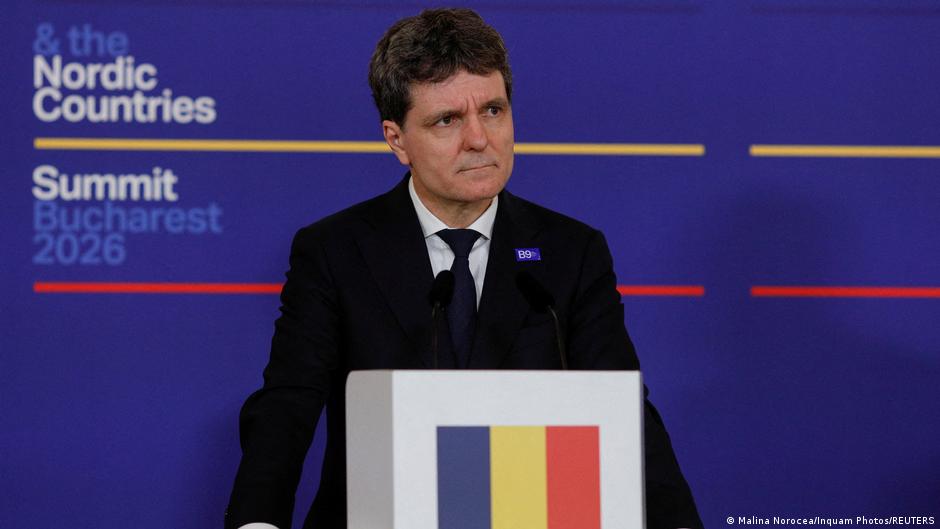
Romania is a member of both the European Union and NATO and shares a land border of more than 600 kilometers with Ukraine. Romanian President Nicușor Dan has previously said the country is a target of hybrid warfare conducted by Russia to destabilize states supporting Ukraine’s defense against Russian military aggression.
Romanian Foreign Minister Dan Nicolaescu described the Brașov fire as “part of a broader sabotage campaign across Europe” directed against defense production, according to AFP.
The latest case follows arrests made a year earlier, when Poland and Romania detained eight people suspected of involvement in an alleged Russian plan to send parcels containing explosives to Ukraine. The recurrence of such cases may encourage investors to treat physical security as a structural operating consideration for European aerospace and defense companies, rather than as an isolated event.
Recruitment model broadens corporate exposure
SRI said recruits for sabotage operations are typically approached through social media. They are initially offered money for a “seemingly harmless task,” such as observing or photographing selected facilities. The assignments then become progressively more serious and may include vandalism, arson or even killings, the agency said.
That recruitment model potentially widens the threat surface for listed manufacturers and their contractors. Smaller suppliers, logistics hubs and communications infrastructure may have fewer safeguards than major defense groups, even though disruption at those sites could affect production throughout the sector.
The Wall Street Journal reported on October 20, citing three European officials familiar with US intelligence findings, that Russian President Vladimir Putin had personally ordered an intensification of sabotage operations against NATO countries. According to the newspaper, an unsuccessful drone attack at Germany’s Leipzig airport on August 4 was among the first actions in the campaign.
After the incident, Russia used an unofficial communications channel to warn the German government that Leipzig would not be the final target, the Journal reported, citing people familiar with the conversation. The increase in covert operations coincided with a lack of significant Russian military advances in Ukraine and more frequent Ukrainian strikes on targets deep inside Russian territory.
A series of further incidents followed. Drone-production facilities in Estonia and Poland were set on fire in August, while Slovak authorities reported preventing an arson attack on a similar manufacturing operation. Poland, Lithuania and Bulgaria also reported sabotage affecting ground stations used by the Starlink satellite system.
Western officials said the activity is organized by the Special Tasks Department of the Main Directorate of the Russian Armed Forces’ General Staff, a unit created after the invasion of Ukraine began. The department is headed by Colonel General Andrei Averyanov. Western intelligence services also concluded that Colonel Denis Smolyaninov, one of the unit’s senior officers, was involved in the Leipzig operation, according to the Journal.
For markets, the immediate issue is less a documented trading response than the possibility of a persistent geopolitical premium. Investors in European defense stocks and bonds may increasingly examine factory protection, supplier redundancy, cyber and physical surveillance, and access to government support when comparing companies operating in the sector.