Ukraine Refinery Strike Pause Puts Oil Markets in US Election Focus
A reported halt in Ukrainian attacks on Russian refineries could ease near-term fuel supply risks as US voters prepare for midterm elections.
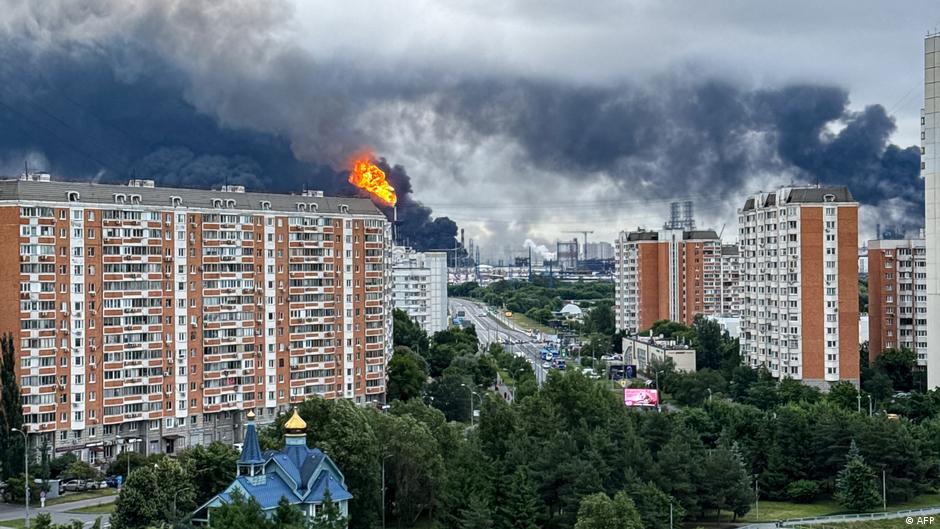
Ukraine has reportedly paused strikes on Russian oil refineries following weeks of pressure from US President Donald Trump, putting geopolitical risks to global fuel supplies at the center of investor attention ahead of the November 3 US midterm elections.
The Wall Street Journal reported on Thursday, October 29, citing people familiar with the matter, that the unofficial pause began early last week, when tensions between Kyiv and Washington were at their highest. It is expected to remain in effect through the elections and could continue for part of November.
For energy markets, the reported halt may reduce an immediate threat to Russian refining capacity and supplies of products such as diesel. The development could ease some geopolitical risk priced into fuel markets, although the pause has not been formally announced by Ukraine and could be reversed if Ukrainian commanders consider renewed attacks necessary.
The report did not identify a specific reaction in crude oil, refined-product futures, equities or government bonds. Investors nevertheless face a potentially important change in the short-term supply outlook. Ukrainian attacks on refineries can disrupt processing and product exports even when crude production remains intact, making diesel and refining margins particularly sensitive to operational damage.
Fuel prices become an election-market issue
Trump has stepped up pressure on Ukrainian President Volodymyr Zelensky in recent weeks, demanding an end to refinery attacks and blaming Ukraine for high global fuel prices. Energy experts cited in the source report attributed those elevated prices primarily to the US-Israeli war against Iran.
Republican candidates were concerned that expensive fuel could hurt them in the November 3 elections. Against that backdrop, Trump eased sanctions affecting Russian diesel in an effort to reduce pressure on US farmers and other consumers, according to the report.
Those measures matter to investors because lower fuel costs could influence inflation expectations, consumer spending and the political outlook. Reduced pressure on diesel markets would be relevant to transport, agriculture and other fuel-intensive industries. Conversely, renewed refinery attacks or further escalation involving Iran could restore supply concerns and complicate the inflation picture watched by bondholders and central banks.
Two anonymous US officials told the Journal that Jared Kushner, Trump’s son-in-law, joined talks in Oslo by video on October 20. The meeting involved US presidential envoy Steve Witkoff, Zelensky and European delegations. Kushner asked the Ukrainian president to suspend refinery strikes for 30 days.
Kushner said that he and Witkoff were spending considerable time, energy and jet fuel negotiating with Moscow over terms for ending the war, and that a 30-day pause could allow Ukraine to demonstrate its gratitude, according to the report.
The following day, Trump called SpaceX chief Elon Musk and asked him to restore Starlink satellite communications service for Ukraine. The Journal’s sources said the Starlink issue and the refinery-strike pause were not connected.
Ukraine’s leverage remains constrained
Ukraine remains dependent on Starlink connectivity, US intelligence data and interceptor missiles for Patriot air-defense systems. That dependence has left Kyiv exposed to pressure from Washington even after Trump, upon returning to the White House last year, ended most US military and financial assistance to the country, the report said.
The escalating rhetoric between Trump and Zelensky, along with disruptions to Starlink service, also alarmed some of Kyiv’s strongest European supporters. One European official said European governments had likewise advised Zelensky to stop refinery attacks until the US midterm elections were over.
Ukraine has not officially declared a moratorium. Zelensky has said that, in return for restraint, Kyiv wants greater protection for the country’s energy infrastructure. Russia, meanwhile, has continued to intensify missile and drone attacks on Ukrainian energy facilities and cities, increasing civilian casualties.
Two unnamed military officials said Ukrainian long-range strike units were told in mid-October that the refinery campaign was effectively paused once missions already underway had been completed. Another source said Ukrainian Defense Minister Yevhen Khmara told Zelensky that the military had concluded it was better to refrain from refinery strikes because of the sensitive diplomatic situation.
Zelensky agreed but stressed that the military could resume attacks if commanders deemed them necessary, according to the source. Speaking to reporters in Kyiv on October 28, he said Ukrainian forces had tried to be more cautious in recent days but had received no order prohibiting attacks on refineries.
That ambiguity limits the durability of any market relief. Investors must weigh a temporary reduction in refinery risk against continued Russian attacks, strained US-Ukrainian relations and the possibility that Kyiv resumes operations without advance notice. For oil producers, refiners, airlines and other fuel-sensitive equities, the immediate issue is whether the pause lasts beyond election day. For bond markets, the broader question is whether lower supply risk translates into sustained relief from fuel-driven inflation or merely postpones another bout of volatility.



