Bundeswehr China Tech Ban Puts European Security Suppliers in Focus
Germany’s restrictions on Chinese drones and vehicles at military sites sharpen investor scrutiny of security risks and European alternatives.
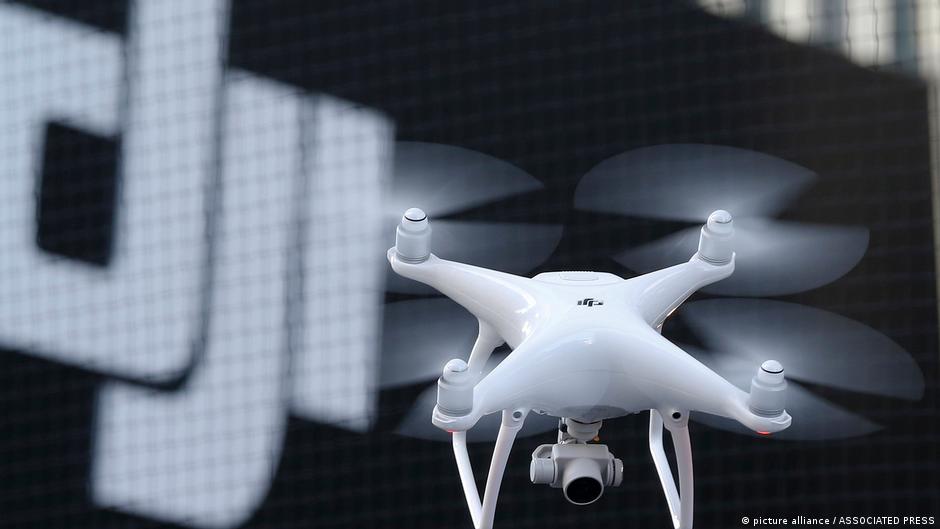
Germany’s armed forces have prohibited Chinese-made drones from being used at barracks and military training grounds, while vehicles from Chinese brands are no longer allowed to enter military facilities, according to a German Defence Ministry representative cited by Der Spiegel.
The restrictions bring data security concerns into an increasingly important capital-markets debate. Investors are assessing whether European governments could impose broader limits on connected Chinese technology, creating potential headwinds for Chinese manufacturers while supporting demand for German and other European suppliers of drones, sensors, secure communications equipment and vehicles.
The Bundeswehr ordered an immediate halt to the use of all small Chinese unmanned aerial vehicles at garrisons and training areas. Previously purchased drones made by Chinese companies, including DJI, must no longer be used, Der Spiegel reported on Tuesday, November 10. The Defence Ministry representative said existing systems would be replaced with German- or European-made products.
Procurement Shift Could Redirect European Spending
For equity investors, the replacement order is the clearest immediate commercial consequence. It indicates that security requirements, rather than price alone, could determine eligibility for sensitive public-sector contracts. Although the report did not disclose the number or value of drones to be replaced, it establishes a preference for domestic and European production within German military procurement.
The Bundeswehr also barred vehicles made by BYD, Geely and other Chinese brands from garrisons and additional military sites. Service members who own such cars must leave them outside designated security areas and walk to their workplaces.
The measures are based on concerns that sensors and cameras installed in Chinese-manufactured equipment could collect classified information and transmit it to Chinese security authorities. According to Der Spiegel, drones could potentially provide Chinese intelligence services with confidential details about military exercises, images of barracks and training grounds, or information about German weapons systems.
The investment issue extends beyond individual products: connected cameras, microphones and sensors can turn ordinary hardware into a potential channel for sensitive data.
The restrictions do not, on their own, establish a broad German ban on Chinese electric vehicles or civilian drones. They nevertheless add regulatory risk for manufacturers whose products depend on extensive data collection and network connectivity. That distinction matters for markets: a military-site restriction has a narrower direct revenue effect than a nationwide prohibition, but it may influence procurement standards, fleet policies and security reviews elsewhere.
British Drone Case Adds to Supply-Chain Concerns
The German decision follows a separate report involving British military technology. On August 9, The Telegraph reported that Royal Navy K3 Scout maritime reconnaissance drones containing Chinese-made components had secretly transmitted information to China.
The drones, valued at £12 million, were supplied by Britain’s Kraken Technology Group. Their integrated cameras had been made by a subcontractor that guaranteed their security. A source in the UK Ministry of Defence told journalists that London had proposed using the K3 maritime drones to help ensure freedom of navigation in the Strait of Hormuz.
That episode highlights the exposure that can arise below the level of a primary contractor. For investors in defence and aerospace companies, scrutiny may therefore extend through subcontractors and component suppliers, particularly for cameras, sensors and communications systems. Greater oversight could raise compliance and sourcing costs, while also benefiting manufacturers able to demonstrate secure European supply chains.
Chinese EV Growth Meets a New Risk Premium
Connected electric vehicles are also under examination in Germany. In late August, Der Spiegel cited experts who warned that networked Chinese EVs could become channels for espionage. Through their cameras, microphones and sensors, the vehicles can collect large volumes of data about their surroundings and movements. German authorities are currently analysing those risks, according to the magazine.
The review comes as Chinese automakers are gaining ground in an expanding market. Demand for electric cars in Germany increased 80% over one year, driven by the energy crisis and a government subsidy programme favourable to motorists. Chinese manufacturers recorded the strongest sales growth.
For shareholders and bondholders, the central question is whether security reviews remain confined to military installations or begin to affect wider government fleets, critical infrastructure and other sensitive locations. The source report provides no indication of additional restrictions, but the Bundeswehr’s action demonstrates how quickly access rules can change when connected devices are viewed as intelligence risks.
European suppliers could gain from replacement demand and a stronger policy preference for locally produced systems. Chinese drone and vehicle makers, meanwhile, face a potentially higher regulatory risk premium in Europe despite strong consumer demand. Investors will be watching German authorities’ continuing analysis for signs that cybersecurity requirements may reshape market access, procurement and supply chains across the region’s drone and electric-vehicle sectors.



