Huawei Conviction Adds Legal and Sanctions Risk for Telecom Investors
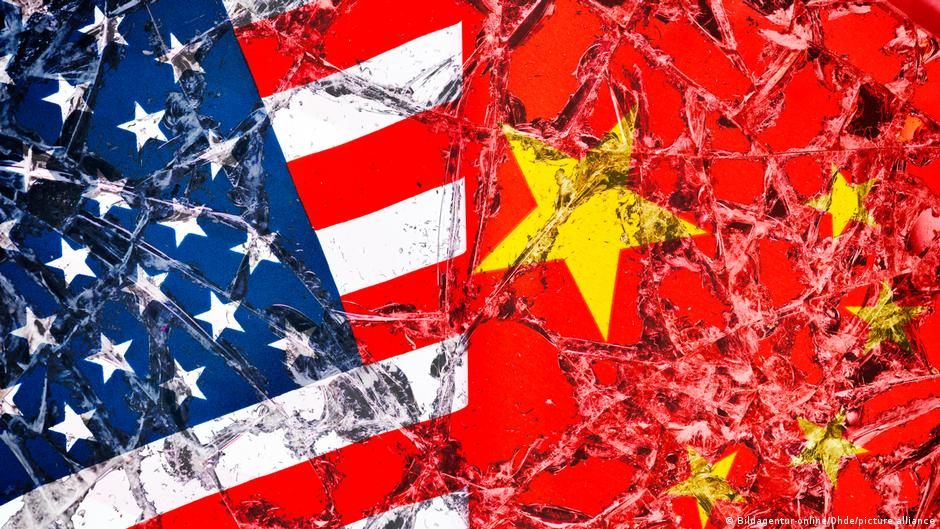
Huawei’s conviction on 10 criminal counts adds financial, regulatory and geopolitical risk across global telecom and technology supply chains.

Huawei’s conviction on 10 criminal counts adds financial, regulatory and geopolitical risk across global telecom and technology supply chains.

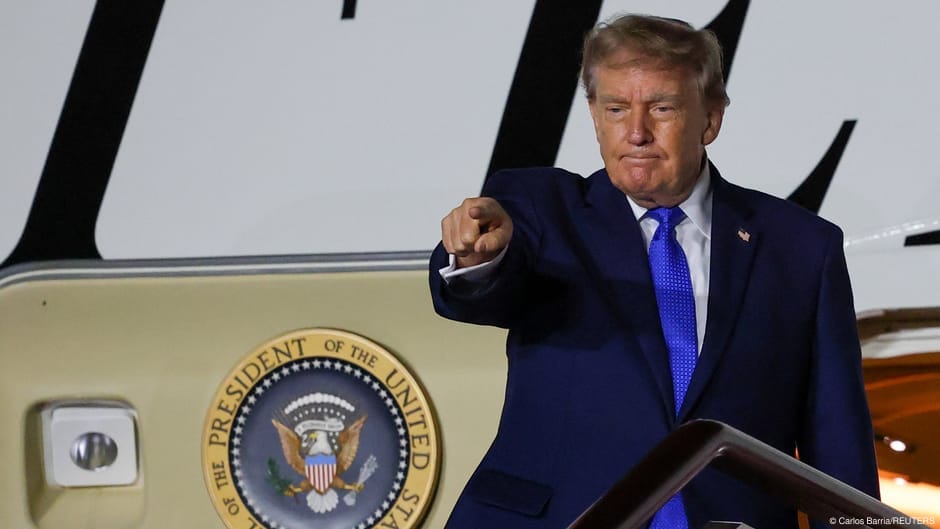
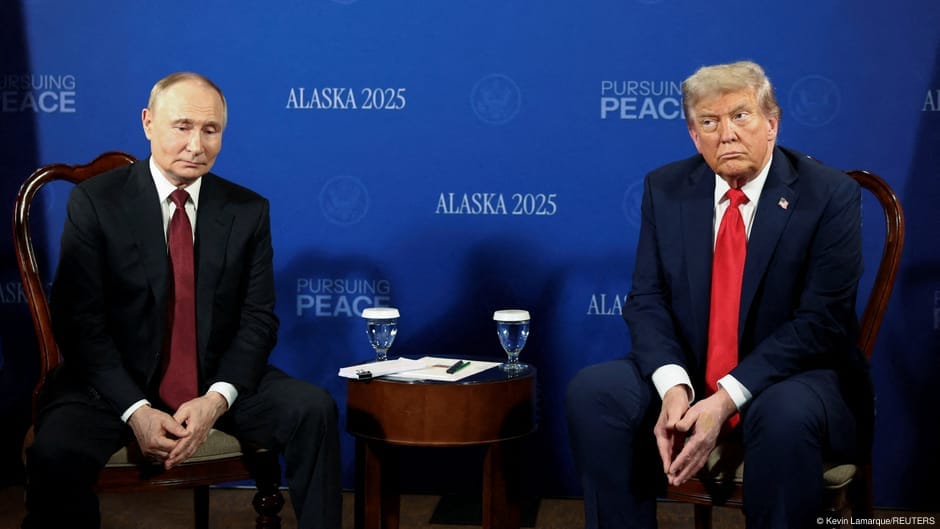
Trump is seeking a Ukraine peace deal before Democrats take Congress, raising uncertainty for defense, energy and sovereign-debt investors.

Trump backed Kyiv’s direct role in decisions on the war, but a US-China-Russia summit offered investors no concrete path toward de-escalation.

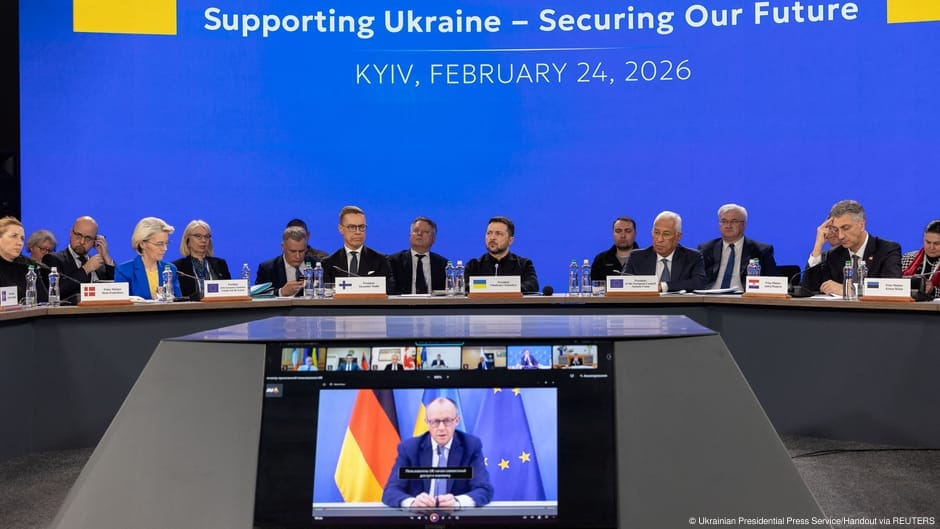
European leaders meeting in Berlin will put €230 billion in military aid and EU financing, defense procurement and sovereign funding under investor scrutiny.

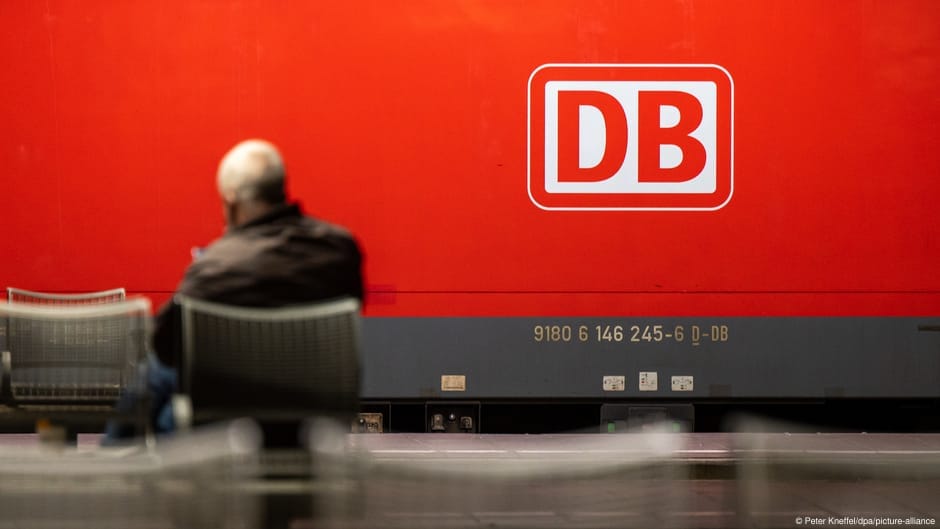
Reported Russia-linked payments by a Deutsche Bahn unit raise sanctions, governance and counterparty risks for European transport investors.

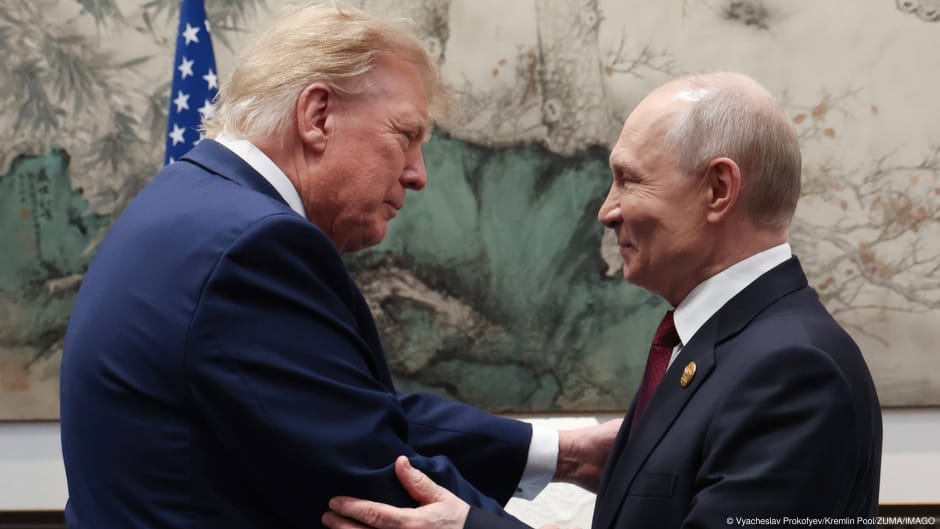
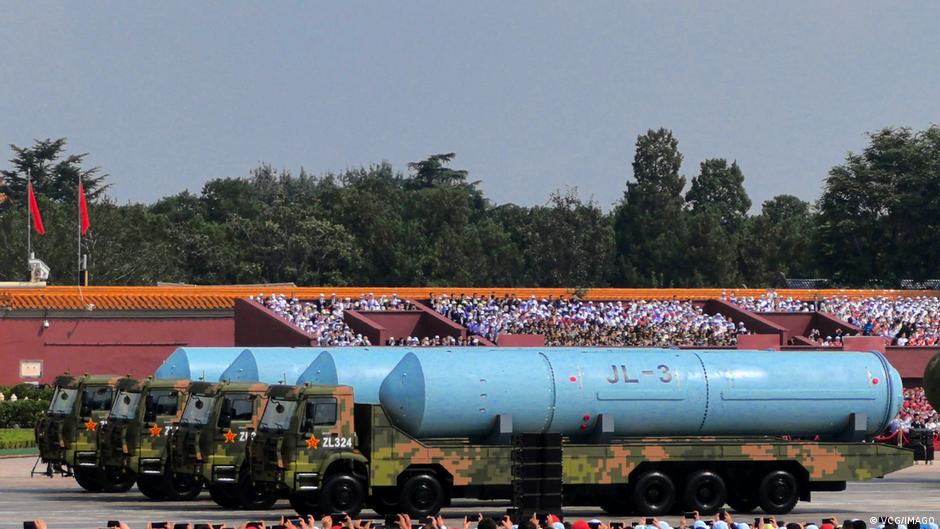
Trump, Putin and Xi are set for nuclear arms talks at APEC, putting geopolitical risk premiums in focus while an immediate agreement remains unlikely.

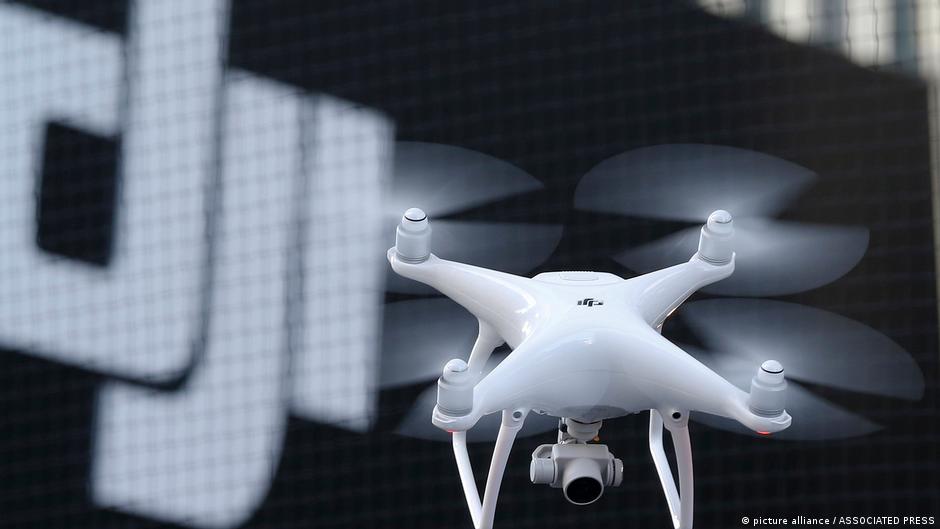
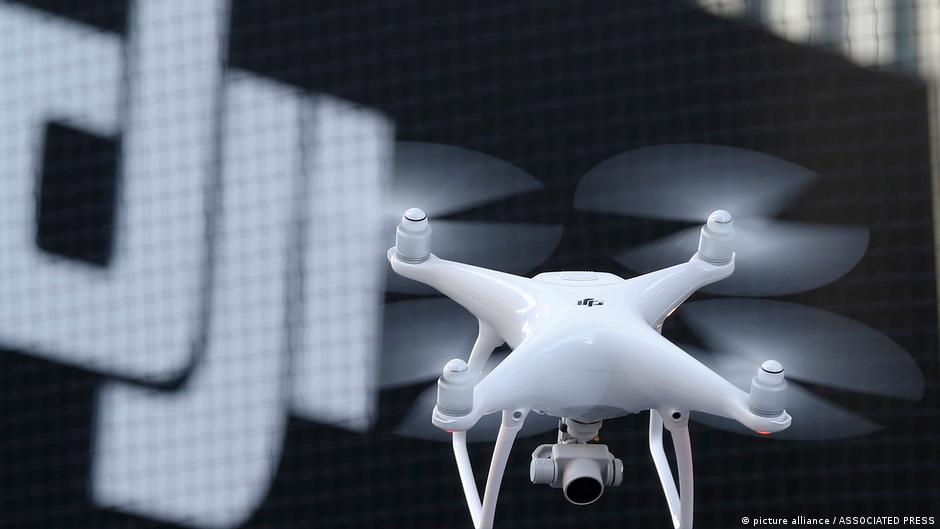
Germany’s military ban on Chinese drones and cars at sensitive sites raises regulatory risks for Chinese manufacturers and opportunities for European suppliers.

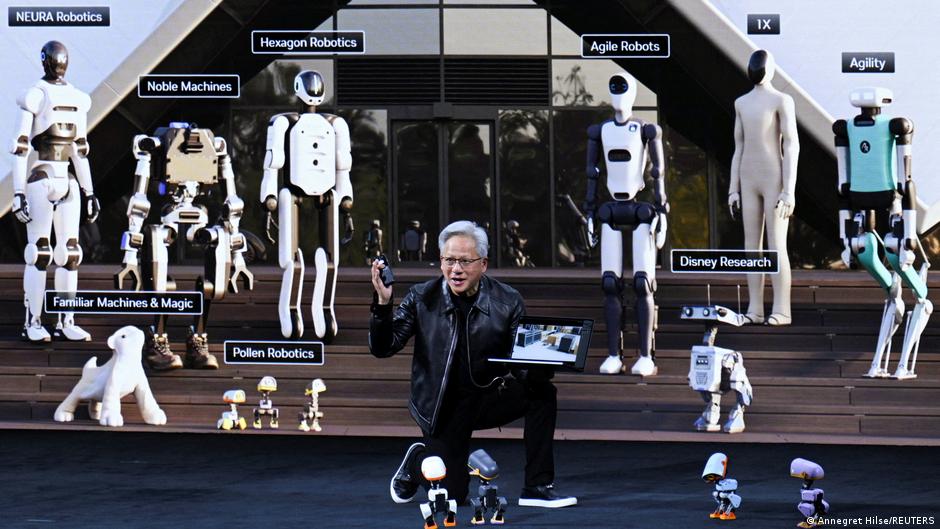
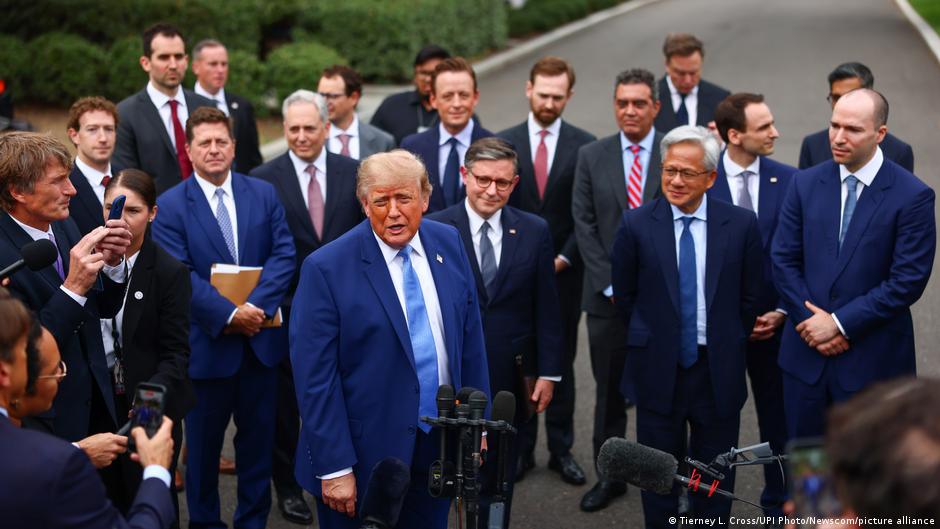
Nvidia’s board is investigating Jensen Huang’s reported relationship with a suspected Chinese intelligence asset, adding governance risk for investors.

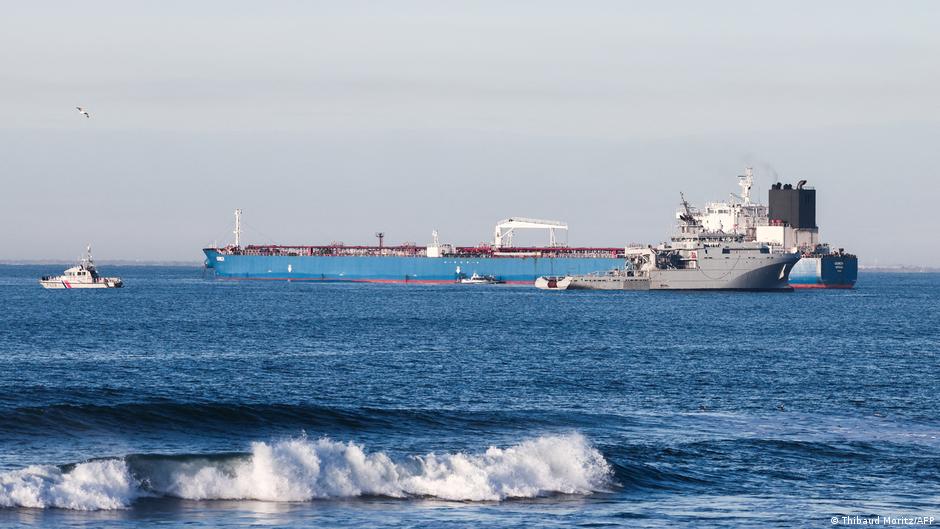
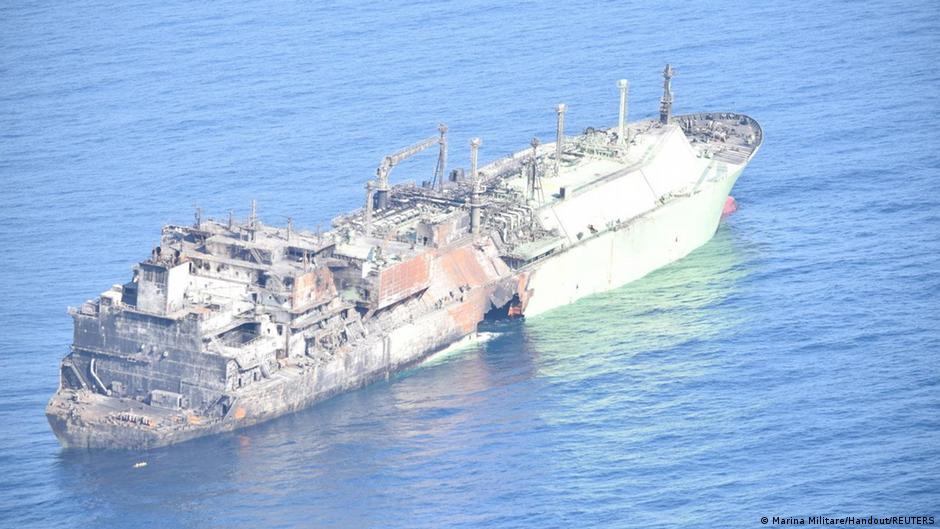
The sanctioned MYRA tanker issued a distress signal off Ireland, spotlighting risks tied to opaque Russian and Iranian oil-shipping networks.

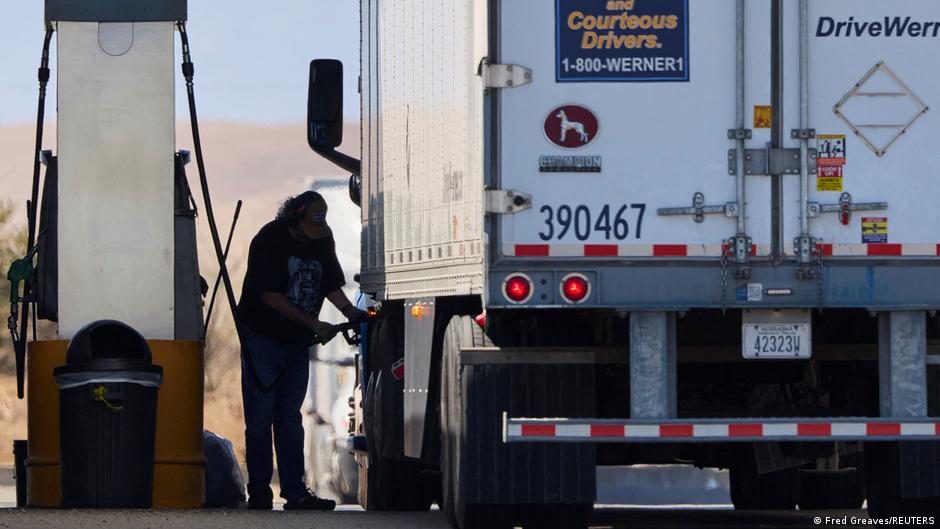
A bipartisan Senate group warns Trump’s Russian diesel deal may offer little fuel-price relief while weakening sanctions pressure on Moscow.

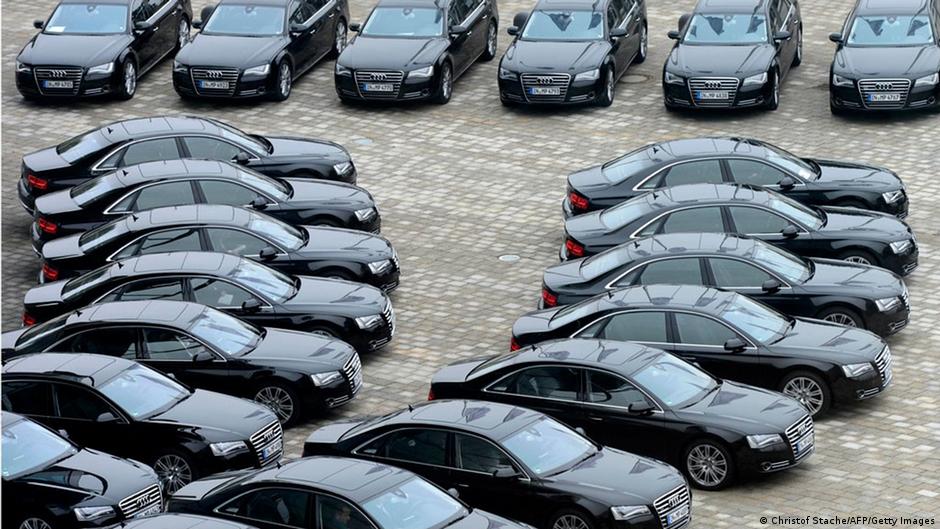
German and Austrian raids over alleged Russia-bound vehicle exports underscore sanctions and compliance risks for auto-linked investors.

A voluntary AI safety pact with major tech firms leaves oversight in corporate hands while keeping future regulation on the table.

CREA says Russia’s ship registry grew 36% as sanctions pressure pushed shadow fleet vessels toward Russian registration.

Trump signed the Graham sanctions law, giving the White House new tariff powers over Russian energy buyers and raising market uncertainty.

The House advanced a sanctions bill that could allow 100% tariffs on major buyers of Russian energy, adding tariff and inflation risk for investors.

China’s warning after a U.S. orbital weapons disclosure puts defense, satellite and sovereign risk themes back in focus for investors.

Volkswagen approved a sweeping 2030 restructuring plan with 50,000 job cuts, heavy investment and a drive to lift profit and capital efficiency.

Foreign investment into Germany rose 50% to 86 billion euros in 2025, with UK inflows surging and the US share dropping sharply.

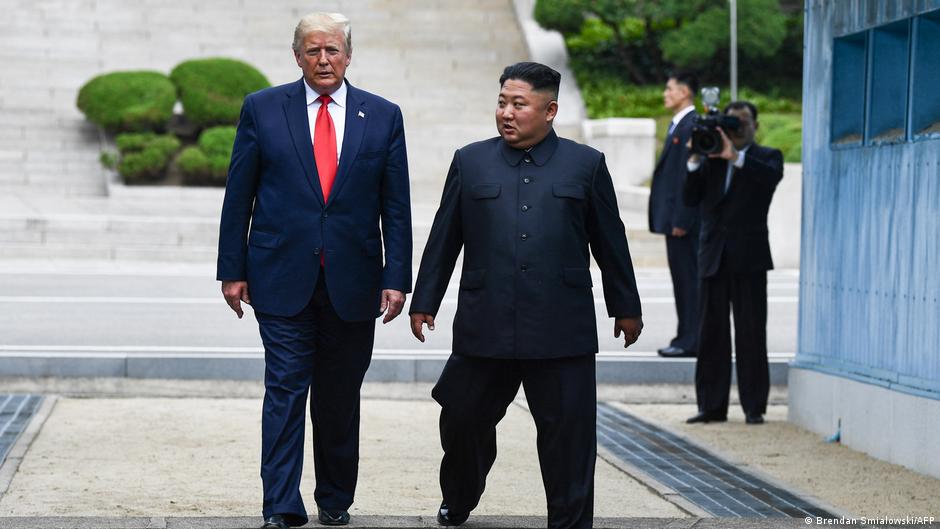
President Trump aims for a November meeting with Kim Jong Un at the APEC summit to renew nuclear talks, a move closely watched by markets for its impact on geopolitical risk and investor confidence.

US tariffs up to 100% on drone imports introduce risks and opportunities for investors in defense and technology sectors amid supply chain realignments.

Over 40 countries call for mandatory advance notifications of ballistic missile tests to reduce geopolitical risks and stabilize global capital markets.
Montenegro will require visas for Russian and Belarusian citizens from November 2026, affecting travel and investment flows amid the country's EU accession process.

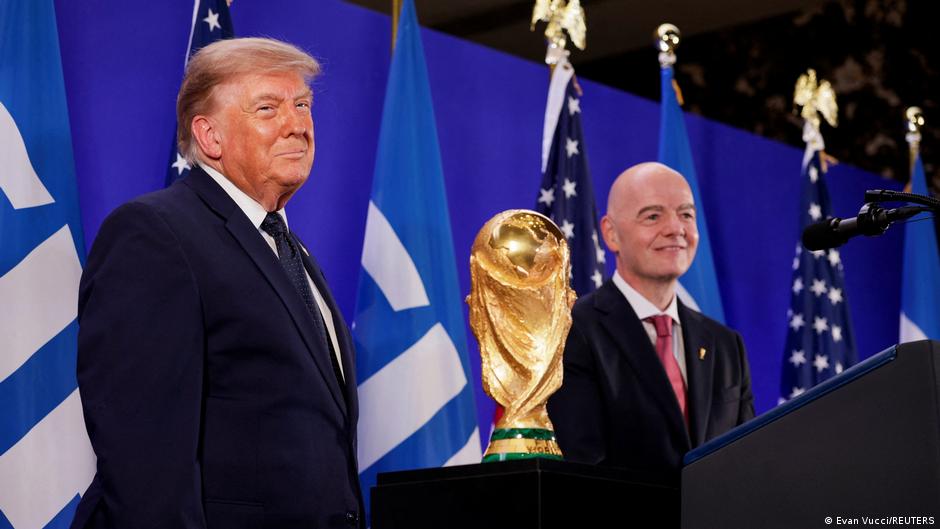
President Trump urges the US to host the next World Cup without Canada and Mexico, proposing China as co-host, signaling significant market implications for sports infrastructure and media sectors.

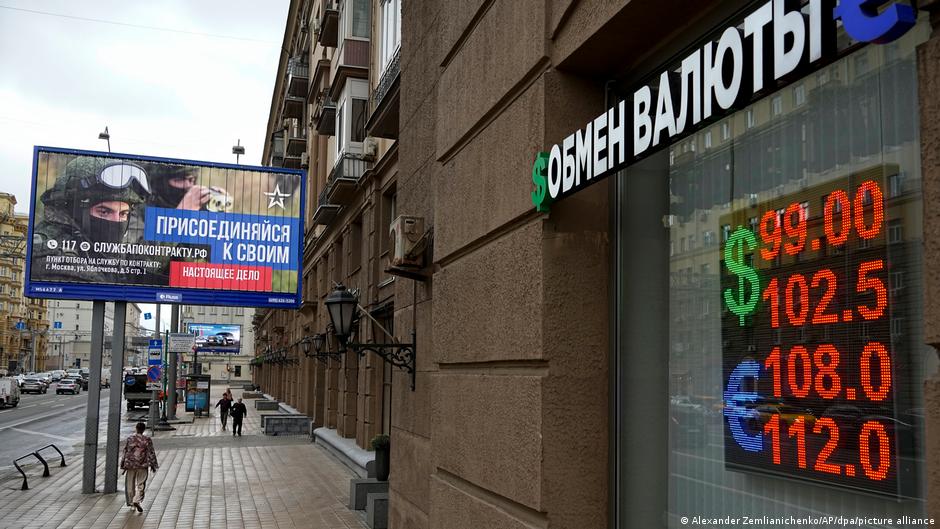
Russia proposes expanding military contract eligibility to include individuals convicted of serious crimes, aiming to boost recruitment amid ongoing conflict and mobilization.

Trump accuses China of accessing data on 220 million US voters and interfering in the 2020 election, raising concerns about election security and political risk in markets.

Russia proposes ending mandatory medical exams for contract soldiers amid recruitment struggles, signaling challenges that may affect defense sector stability and investor confidence.

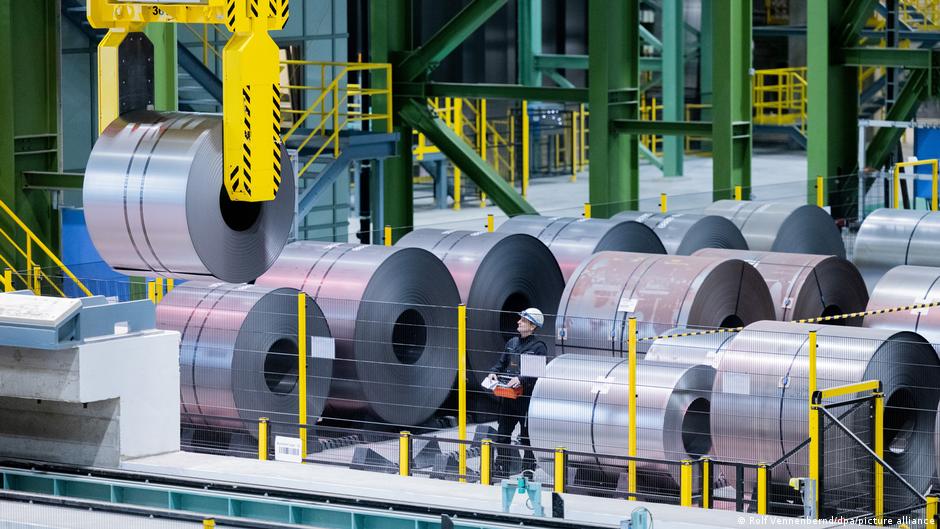
The EU cuts duty-free steel import quotas by 47% and doubles tariffs on excess imports, affecting steel equities and market dynamics.

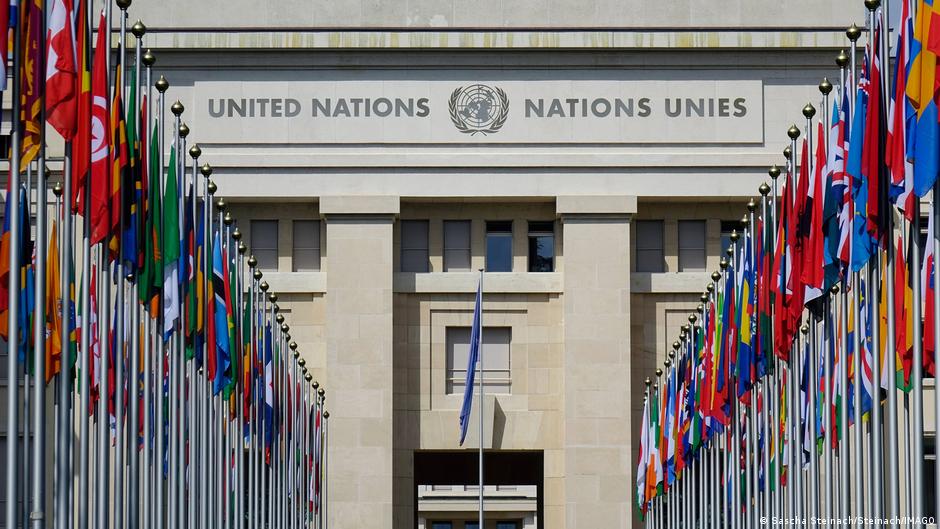
The UN nears bankruptcy due to delayed payments from the US and China, triggering operational cuts and investor concerns about global market stability.

Senior Russian officials have warned Putin about the economic damage from stricter internet controls starting in 2025, raising concerns for investors amid rising public discontent.

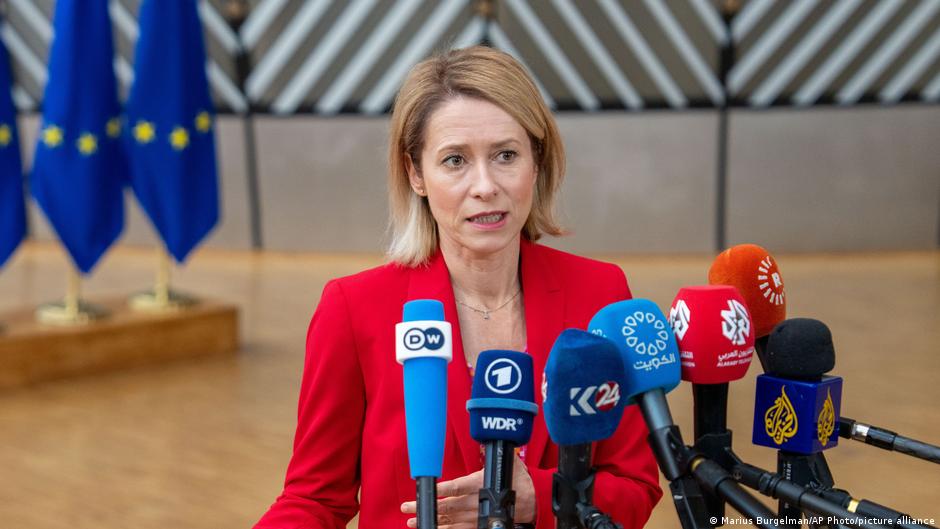
EU foreign policy chief Kaja Kallas warns that Russia, China, and the US are employing divide-and-conquer strategies to weaken the European Union, raising concerns for market stability.

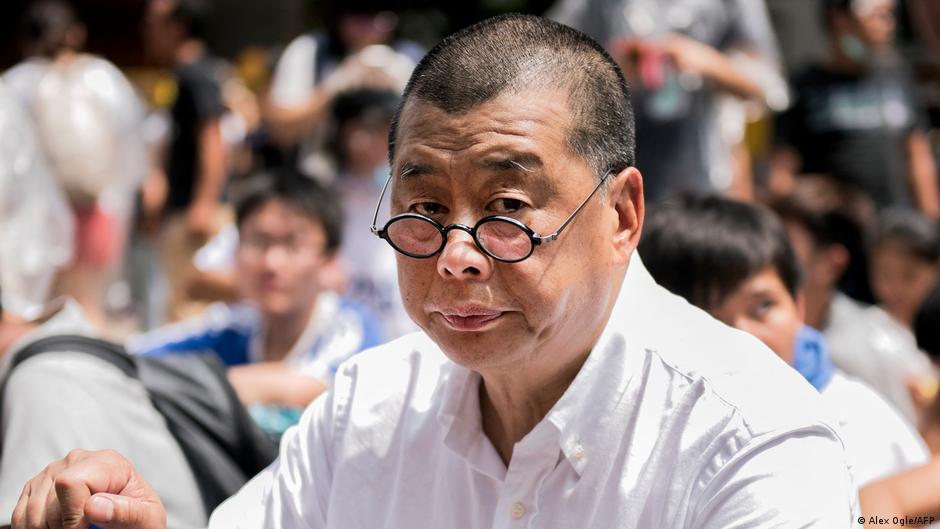
Trump reports no positive outcome from China talks on Jimmy Lai's 20-year sentence, underscoring geopolitical risks impacting Hong Kong and Chinese capital markets today.

China's renewed interest in U.S. oil and soybeans after talks with Trump may shift commodity markets and impact investor strategies amid evolving trade and geopolitical dynamics.

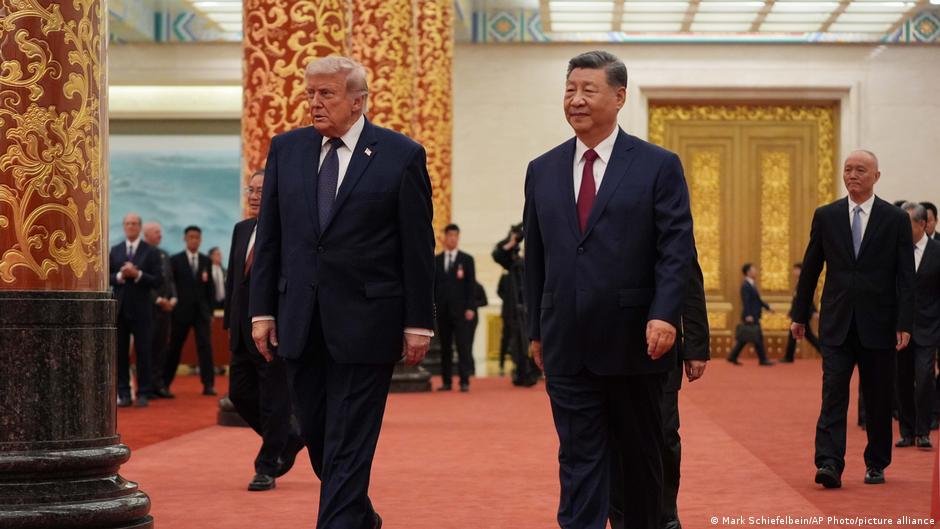
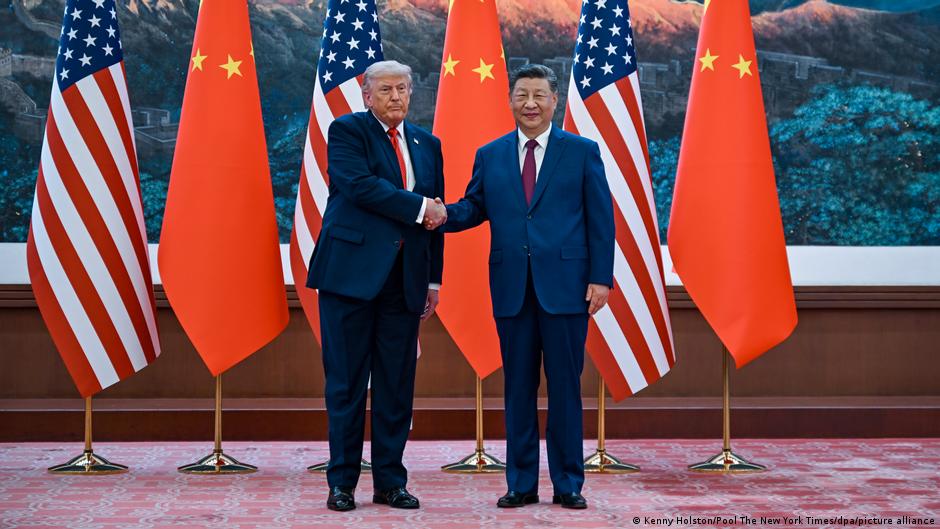
Trump and Xi Jinping meet in Beijing to discuss Iran, trade, and Taiwan, with investors closely watching for impacts on global markets and trade relations.

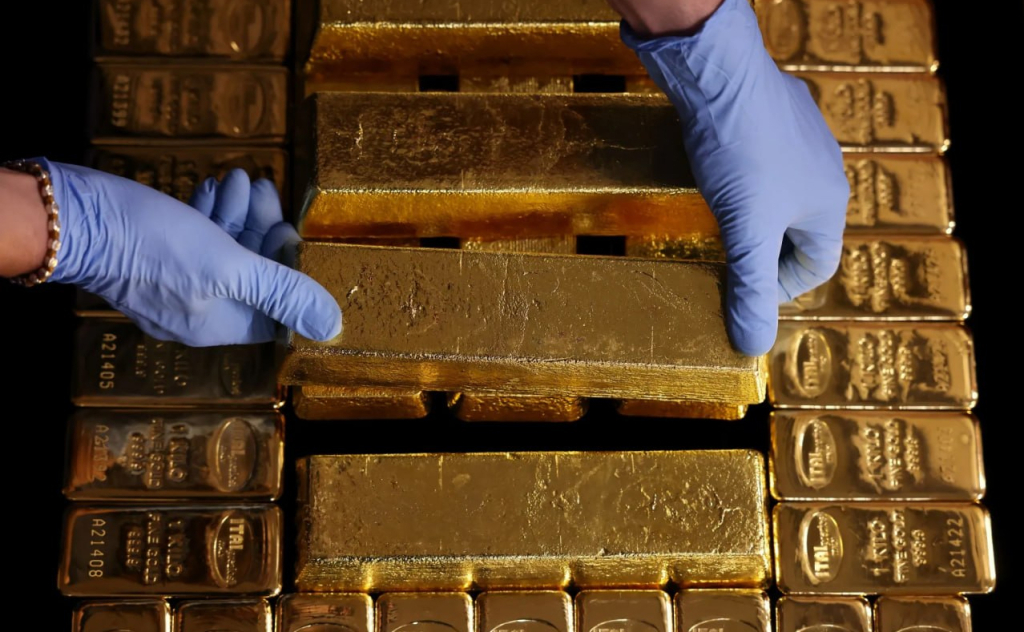
Uzbekistan's suspension of gold exports since September 2025 led to a nearly 30% drop in exports, shifting trade dynamics and affecting market sentiment in early 2026.

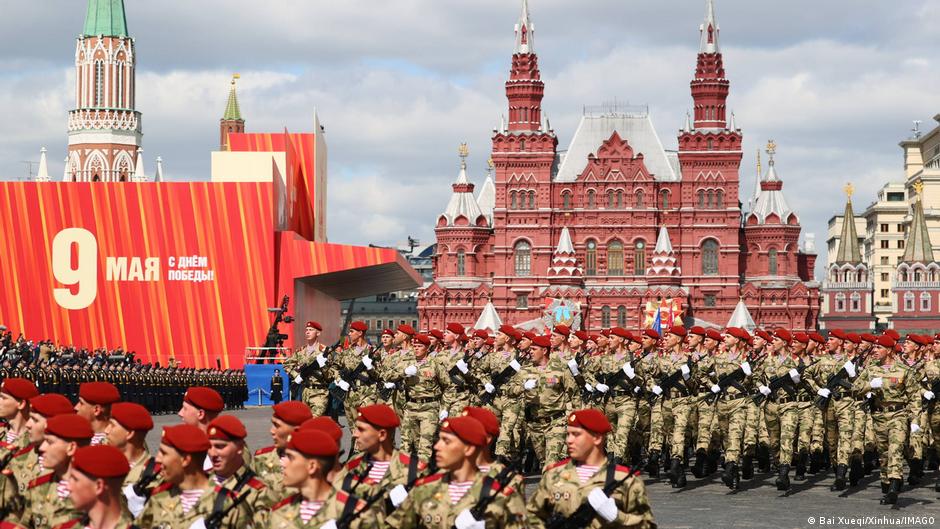
Moscow’s 2026 Victory Day parade will exclude military vehicles for the first time in years, reflecting security concerns and impacting defense sector investor sentiment.

Tencent and Kaspi.kz’s leadership acquired 6 million shares, signaling strong confidence in the fintech giant’s growth and expanding market presence.

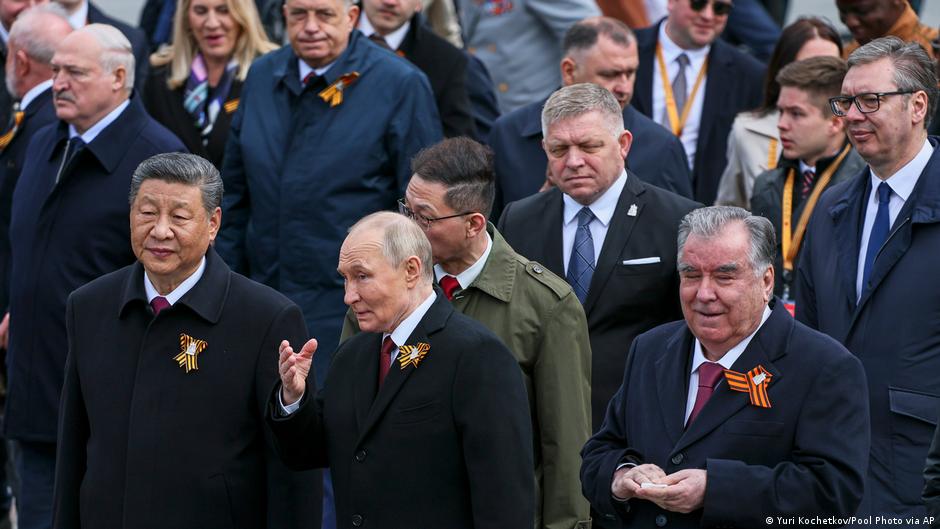
Lithuania and Latvia have denied airspace access to Slovak Prime Minister Robert Fico's flight to Moscow for May 9, signaling ongoing geopolitical tensions affecting regional markets.

Germany's Koblenz Bundeswehr Military Museum has restricted access for Uzbek and other Central Asian nationals, citing security regulations affecting cultural tourism and market perceptions.

Russia's Deputy Foreign Minister says the UN proposal to monitor the Strait of Hormuz lacks support from key parties and its future is uncertain.