Trump Highlights Lack of Optimism on Jimmy Lai's Imprisonment Amid China Talks
US-China discussions reveal no positive signals for Hong Kong media mogul Jimmy Lai's 20-year prison sentence, impacting investor confidence.
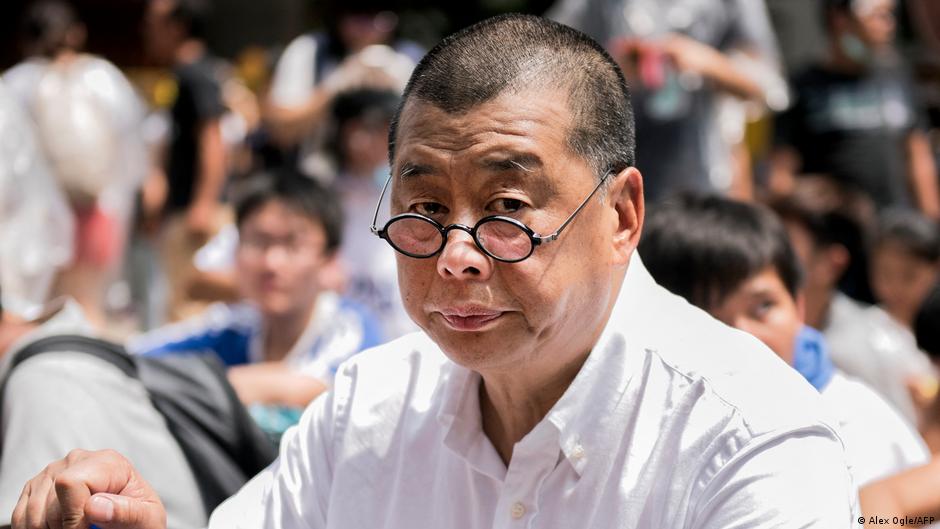
Former US President Donald Trump disclosed that during his meeting with Chinese President Xi Jinping, he raised the case of Hong Kong media magnate Jimmy Lai but left without optimism, citing a "not very positive" reaction from Chinese authorities. Lai, sentenced to 20 years on charges related to his support of 2019 pro-democracy protests, remains imprisoned amid strained US-China relations.
Market Implications of Continued Detention
The confirmation that China does not intend to release Jimmy Lai adds to geopolitical tensions affecting capital markets. Lai’s imprisonment on accusations of "inciting rebellion" and "collusion with foreign forces" highlights Beijing’s firm stance against dissent, particularly on Hong Kong’s autonomy issues. For investors, such political rigidity exacerbates risks in Hong Kong and broader Chinese equities and bonds, increasing the perceived geopolitical risk premium.
"The reaction to the Jimmy Lai issue was not very positive, and I didn’t feel optimistic," Trump stated, underscoring the limited diplomatic leverage over this high-profile case.
Jimmy Lai’s case has been a focal point for Western criticism of China’s political crackdown and judicial processes. His 20-year sentence was finalized in 2026 after a prolonged legal battle that lasted several years. Lai, 78, maintained his innocence, while Chinese authorities accused him of harboring "fierce hatred" toward the Chinese Communist Party.
For capital markets, the ongoing political crackdown presents multiple challenges. Investors in Hong Kong-listed equities, especially those sensitive to political developments, face heightened volatility. Bonds linked to Hong Kong and China could see increased spreads as credit risk adjusts to the more fraught political environment.
Furthermore, international investors monitoring China’s regulatory and political landscape may reassess their exposure, particularly in sectors tied to media, technology, and civil rights. The continued detention of a prominent pro-democracy figure signals Beijing’s low tolerance for dissent, suggesting potential regulatory unpredictability.
Earlier in 2026, Jimmy Lai received the DW Press Freedom Award, recognizing his dedication to democratic values despite harsh repression. Barbara Massing, DW’s CEO, highlighted Lai’s "invaluable commitment" to freedom of speech, which contrasts with the stark realities observed by capital market participants.
Overall, investors should weigh the implications of sustained geopolitical and human rights tensions on market stability in Hong Kong and China. The Jimmy Lai case is emblematic of broader risks that could influence asset allocation and risk assessment strategies in the region.