Putin Eases Russian Citizenship Rules for Transnistrian Residents, Impacting Regional Markets
New decree simplifies citizenship acquisition for Transnistrian residents, potentially influencing investor sentiment and regional stability.
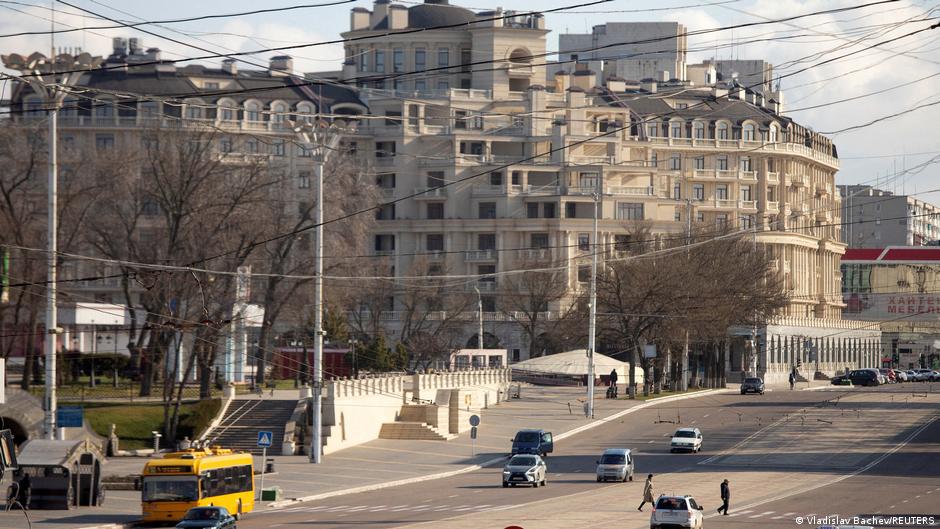
Russian President Vladimir Putin has signed a decree simplifying the process for residents of the unrecognized Transnistrian Moldovan Republic (PMR) to obtain Russian citizenship. The reforms remove language and history exam requirements, accelerating passport issuance for eligible individuals.
Implications for Capital Markets and Investors
The decree, published on May 15, allows all adult residents of Transnistria to apply for Russian citizenship without the previously mandatory tests on the Russian language and history. Additionally, orphans in Transnistria can be granted Russian passports through guardian applications. This policy move is likely to have broader implications for capital markets, particularly in Eastern Europe, as it underscores Moscow's increasing influence in the region.
Transnistria, a breakaway territory on the eastern bank of the Dniester River, declared independence from Moldova in 1990 but remains unrecognized by any United Nations member state. The region hosts a Russian military contingent known as the Operational Group of Russian Forces, maintaining a significant geopolitical presence.
"The simplification of citizenship acquisition in Transnistria reflects Russia’s strategic aim to strengthen ties with its breakaway regions," analysts say, "which adds uncertainty for investors regarding the stability of Eastern European markets."
In April, Russian Security Council Secretary Sergei Shoigu disclosed that over 220,000 residents of Transnistria already hold Russian citizenship, with the territory's population estimated at approximately 470,000. This demographic shift could further integrate Transnistria into Russia's political and economic orbit, potentially affecting regional bond and equity markets.
For investors, these developments signal heightened geopolitical risks. The expansion of Russian citizenship rights may escalate tensions between Moldova and Russia, possibly leading to market volatility in neighboring countries. Equity and bond investors should monitor exposure to regional assets, as political uncertainty often results in price fluctuations and increased risk premiums.
Moreover, the move could influence Russia's broader economic strategies, including financial flows and trade relations, as Transnistria's alignment with Moscow tightens. Capital markets may respond to perceived shifts in regional stability, affecting currency valuations and sovereign debt spreads.
In summary, Putin’s decree is more than a bureaucratic adjustment; it is a strategic maneuver with potential ripple effects across Eastern European capital markets. Investors should remain vigilant to further geopolitical developments, as these can materially impact portfolio risk profiles and asset valuations in the region.