UK Prime Minister Plans £18 Billion Defense Budget Increase Amid Political Turmoil
The proposed £18 billion defense boost aims to reinforce UK security policy, impacting government spending and capital markets.
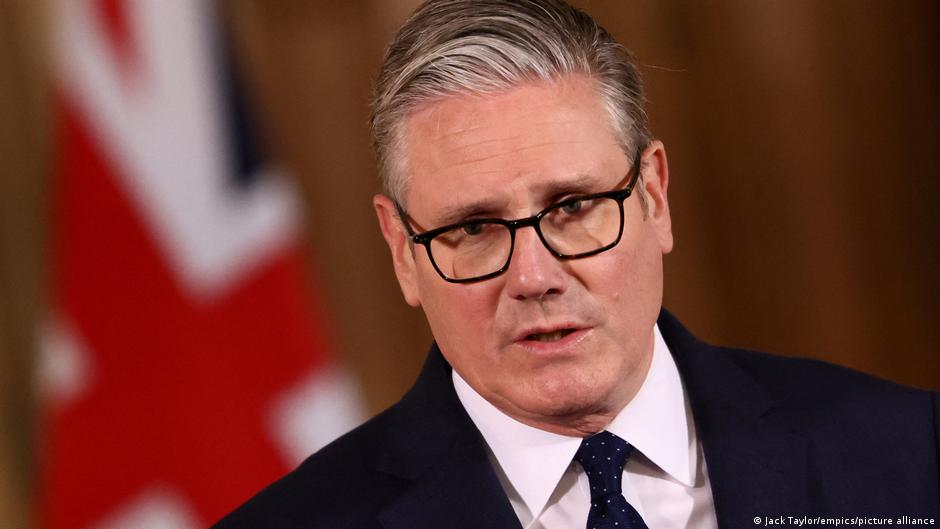
The UK government is preparing to significantly increase its defense expenditure by £18 billion, equivalent to approximately €20.6 billion, according to reports from The Times. This planned budget hike is particularly important for Prime Minister Keir Starmer as he navigates a domestic political crisis.
Market Implications of the Defense Spending Surge
The anticipated rise in defense spending, potentially announced between May 18 and May 24, would mark a substantial increase in the UK's military budget, bringing the total projected defense outlays for the 2025-2026 fiscal year to £62.2 billion. The sources indicate that the new defense package will be "entirely manageable" within the broader government budget, though precise funding mechanisms remain unclear.
From a capital markets perspective, this defense budget surge could have several implications. Increased government spending may lead to higher issuance of UK government bonds (gilts) to finance the expenditure, affecting bond yields and investor sentiment. Additionally, the boost in defense allocations could benefit equities in the UK defense and aerospace sectors, potentially driving stock gains for companies involved in military contracts.
However, the political instability highlighted by demands from dozens of Labour MPs calling for Starmer's resignation injects uncertainty into the government’s fiscal outlook. Investors typically view political crises with caution, as they may delay or complicate policy implementation, including budgetary plans.
"The new defense package will be 'entirely manageable' for the UK budget," a government insider noted, underscoring official confidence despite political tensions.
The British Parliament’s data suggests that the defense spending increase aligns with Starmer’s earlier commitments to prioritize national security, especially in light of ongoing geopolitical conflicts involving Ukraine and Iran. Market participants will be closely monitoring the government’s funding approach for this defense expansion, as it will influence bond supply and fiscal stability.
Overall, while the defense budget increase signals a strategic shift with potential upside for defense-related equities, the surrounding political turmoil introduces a layer of risk for investors in UK capital markets. How the government balances these factors in the coming weeks will be critical for market confidence.