Ukraine-Germany Defense Talks Boost Market Confidence Amid Escalating Conflict
Ukraine’s strengthened defense collaboration with Germany signals resilience, impacting capital markets and investor sentiment.
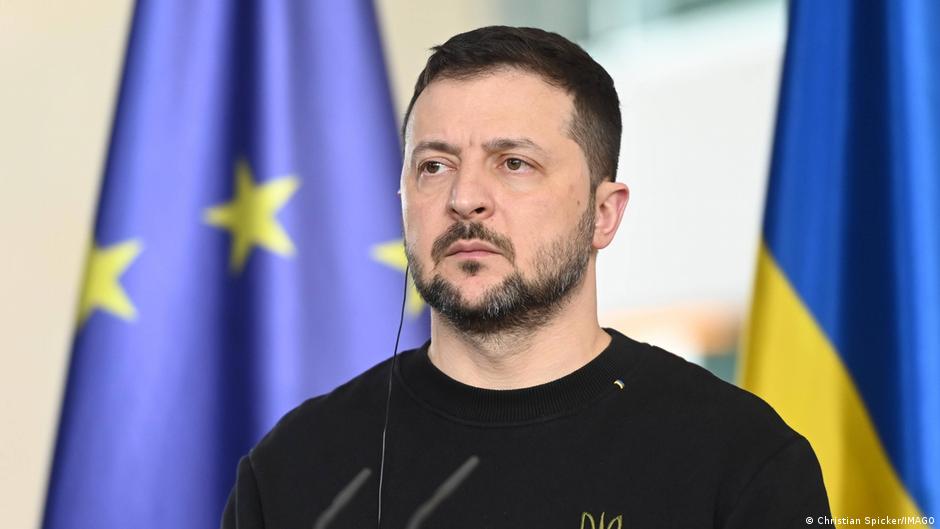
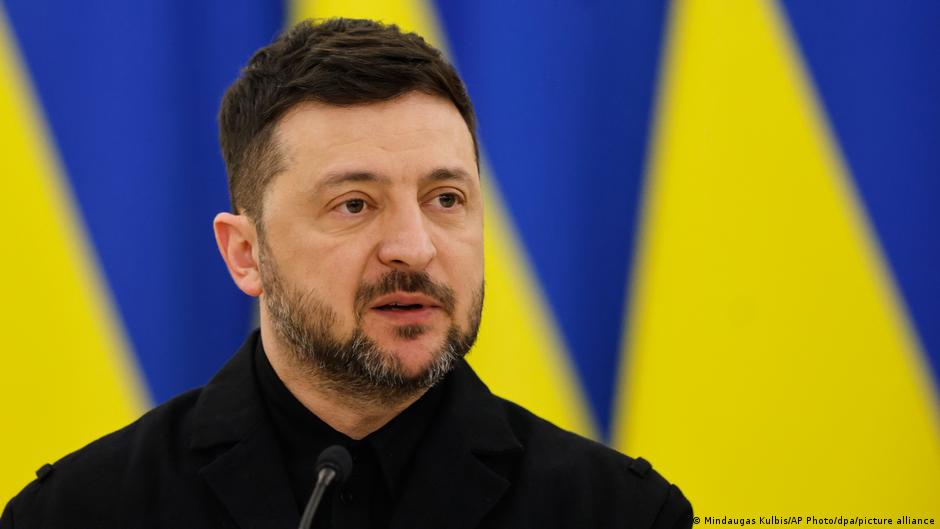
Ukrainian President Volodymyr Zelensky held a crucial meeting in Kyiv with Thorsten Frei, head of the German Federal Chancellor's Office, and Martin Jäger, director of Germany's Federal Intelligence Service (BND), to discuss enhanced protection against aerial attacks amid ongoing conflict with Russia.
The talks come in the aftermath of a significant missile and drone strike on Kyiv, which tragically resulted in at least 21 fatalities and approximately 50 injuries. Zelensky highlighted receiving “important signals of support” from Germany during these challenging times, emphasizing the urgency of accelerating agreements related to air defense systems to better shield Ukrainian civilians from further attacks.
Market Implications of Strengthened Defense Cooperation
The deepening defense ties between Ukraine and Germany, including joint production of medium and long-range drones and multi-hundred-million euro investments in Ukraine’s long-range strike capabilities, have begun to influence investor confidence and capital market dynamics. This collaboration not only underscores Germany's leadership role in European security but also signals a strengthening of Ukraine’s defense infrastructure, which investors view as a critical factor stabilizing the region.
"Germany has repeatedly helped strengthen our air defenses, and we are counting on appropriate leadership now," Zelensky said, underlining the strategic value of this international support.
German Defense Minister Boris Pistorius confirmed plans to develop drones with a range of up to 1,500 kilometers and Germany’s intention to join the Ukrainian Brave1 platform, which integrates military efforts with innovative defense technology development. This includes cooperation on weapon systems incorporating artificial intelligence, indicative of a shift towards advanced military technology partnerships.
For capital markets, these developments translate to a more robust security environment that may mitigate some geopolitical risks investors had previously priced in. Defense and aerospace equities linked to this cooperation, as well as bond markets sensitive to regional stability, could experience upward momentum. Moreover, the commitment of financial resources to defense infrastructure and technology innovation serves as a positive signal for long-term investor confidence in Ukraine’s ability to sustain its sovereignty.
However, ongoing conflict and recent attacks remind investors to remain cautious amid persistent volatility. The unfolding German-Ukrainian defense collaboration represents a balancing act: while it brings hope for enhanced security and economic stability, the regional risks necessitate vigilant market monitoring.
Ultimately, these strategic moves are closely watched by global investors assessing the outlook for equities and bonds connected to European security dynamics, defense industries, and emerging technological innovation in military assets.