China Signals Renewed Interest in U.S. Oil and Soybean Imports Amid Trade Talks
Following high-level talks, China shows openness to purchasing U.S. commodities, potentially impacting market dynamics and investor sentiment.
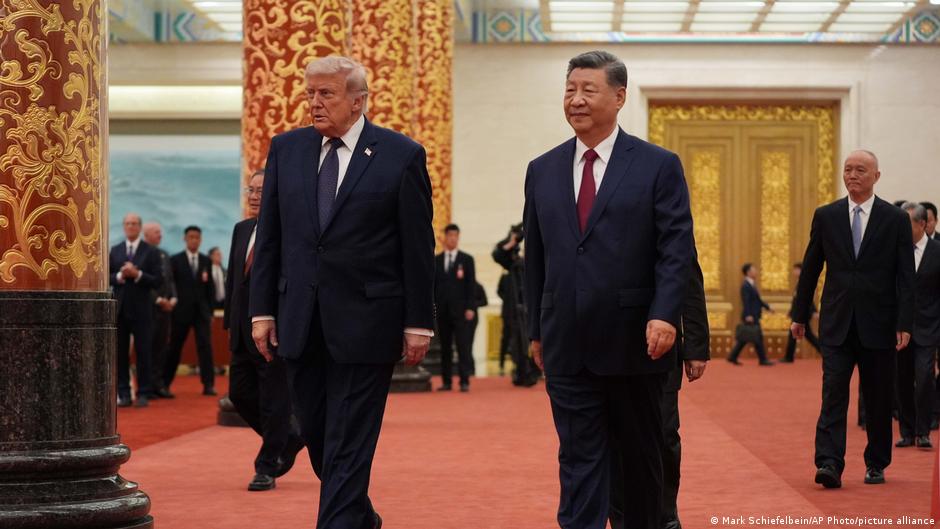
China has demonstrated a renewed interest in purchasing oil and soybeans from the United States, according to former U.S. President Donald Trump following a two-hour meeting with Chinese President Xi Jinping in Beijing. This development could have notable implications for commodity markets and investors focused on the evolving trade relationship between the world's two largest economies.
Potential Shift in Commodity Trade Flows
China, historically a major buyer of Iranian oil and a significant importer of Brazilian soybeans, had sharply reduced purchases of American soybeans since the onset of the U.S.-China trade war in 2018. These tariff-driven trade tensions also dampened U.S. crude oil exports to China. Trump's recent statements suggest that China may be reconsidering its import strategies, which could signal easing tensions in commodity trade.
"China has expressed interest in purchasing U.S. oil and soybeans," Trump said in an interview with Fox News after talks with Xi Jinping.
For investors, a potential uptick in Chinese demand for U.S. agricultural and energy exports could influence the equities of companies involved in these sectors, as well as affect commodity prices and related bond markets. U.S. producers of soybeans and oil may see improved revenue prospects, potentially leading to market gains. Conversely, Brazilian soybean exporters and Iranian oil suppliers could face increased competition.
Geopolitical Dimensions and Market Implications
In addition to trade matters, Trump noted that President Xi indicated a willingness to influence Iran's behavior, particularly in the context of ongoing tensions involving the U.S. and Israel. Trump disclosed that China promised not to supply arms to Iran and expressed interest in facilitating negotiations to end hostilities and resume shipping through the Strait of Hormuz.
"The Chinese leader also promised me they would not be providing weapons to the Islamic Republic," Trump said, highlighting the geopolitical stakes that also weigh on energy markets and investor considerations.
Investor attention may thus extend beyond trade flows to geopolitical developments, as any reduction in Iranian arms supplies and improved diplomatic engagement could stabilize regional tensions. This stability, in turn, might positively influence oil prices and market confidence.
Trump further commented on Iran's enriched uranium stockpiles, suggesting that while the material could be disposed of, he would prefer to acquire it, reflecting ongoing concerns about nuclear proliferation.
Finally, Trump characterized the current Iranian leadership as "reasonable," signaling a possible window for diplomatic progress that could impact market volatility related to Middle East risks.
Investor Takeaways
The combination of China’s potential resumption of U.S. commodity imports and a possible thaw in U.S.-Iran tensions introduces multiple moving parts for investors. Market participants should closely monitor developments in U.S.-China trade relations, oil and agricultural commodity prices, and Middle Eastern geopolitical developments, all of which can affect equity valuations and bond yields in related sectors.
As trade policies and diplomatic efforts evolve, sectors tied to energy exports, agriculture, and defense could experience shifts in investor sentiment. A recalibration of supply chains and trade flows could benefit U.S. producers and influence global commodity markets, warranting strategic portfolio reviews for investors focused on macroeconomic and geopolitical risk.