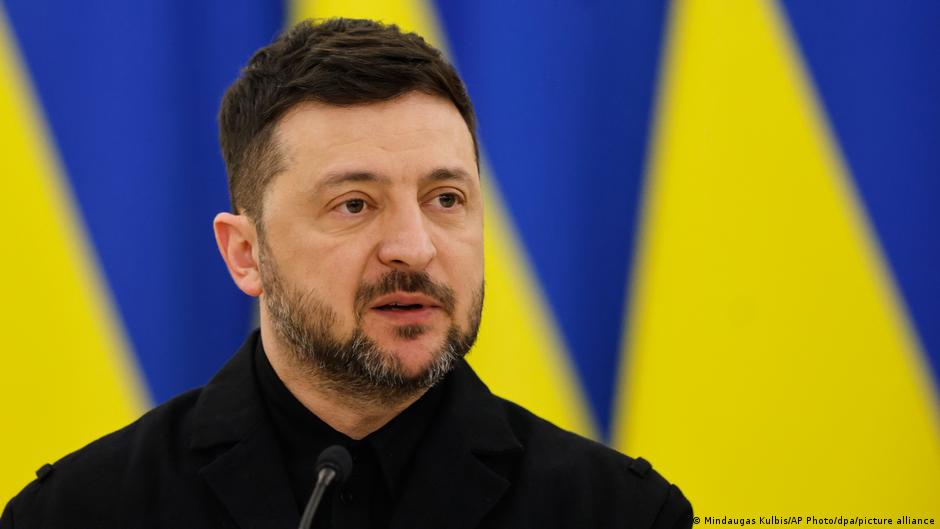
Zelensky Says North Korea Plans to Send 10,000 More Troops to Russia
Zelensky says North Korea plans to send about 10,000 more troops to Russia, raising geopolitical risk for equities, bonds and investors.

Zelensky says North Korea plans to send about 10,000 more troops to Russia, raising geopolitical risk for equities, bonds and investors.

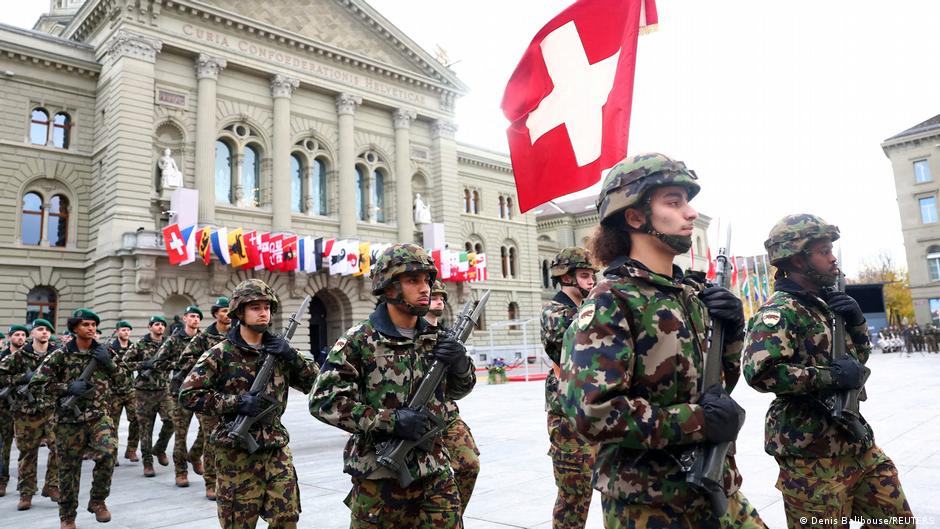
Swiss voters rejected a stricter neutrality proposal, preserving Bern’s ability to join sanctions and easing policy uncertainty for investors.
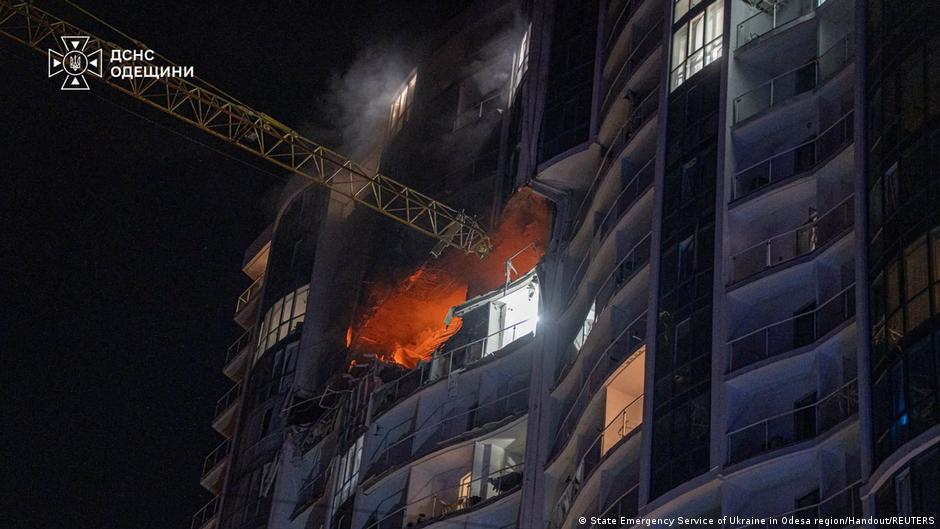
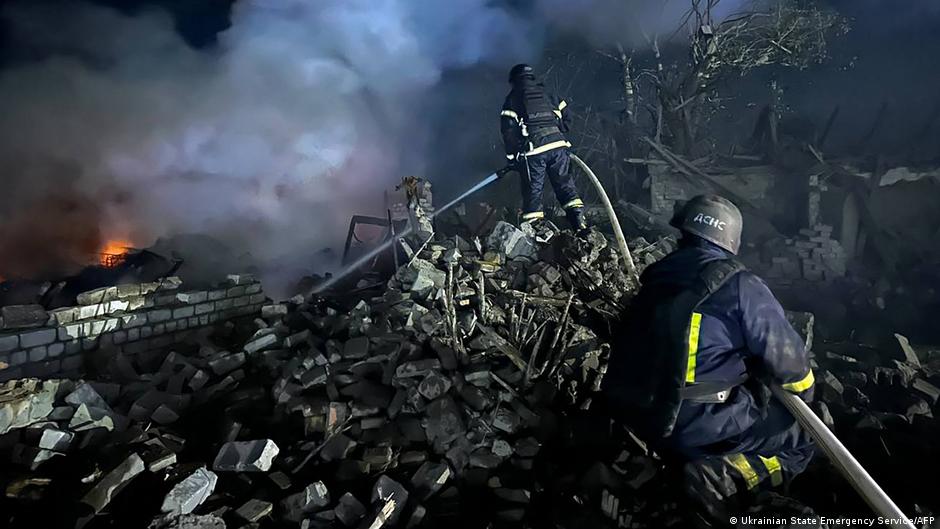
Russian drone attacks killed at least three civilians in southern Ukraine and hit port and civilian infrastructure in Odesa region.
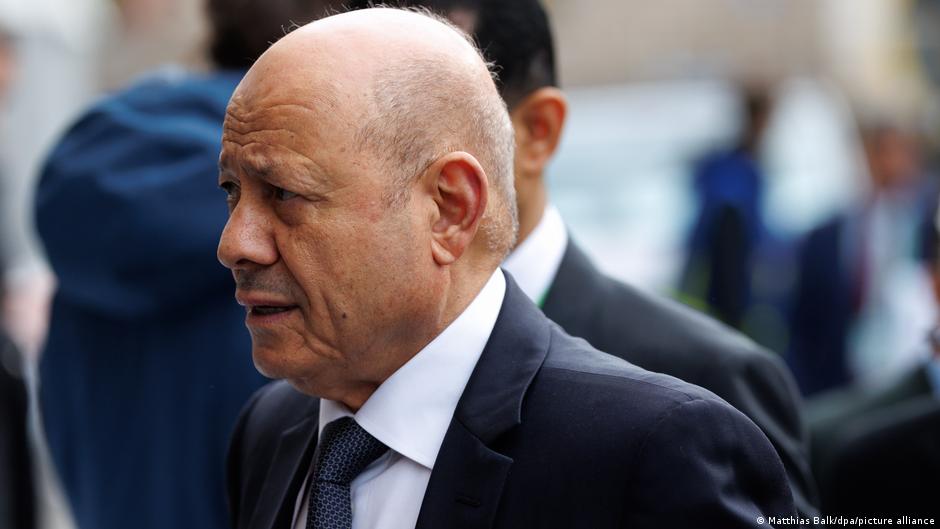
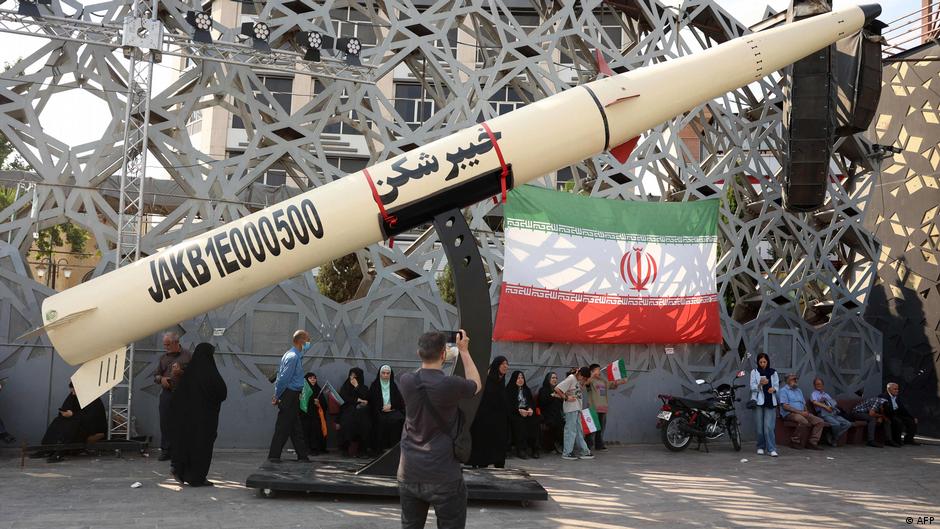
Yemen’s mobilization call adds to investor concerns over Red Sea shipping, Gulf oil exports, energy prices and regional market risk.

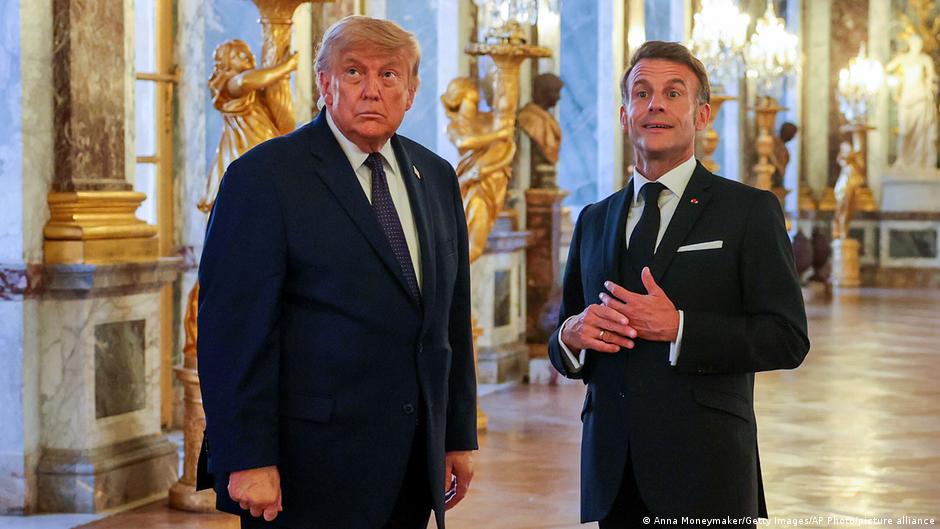
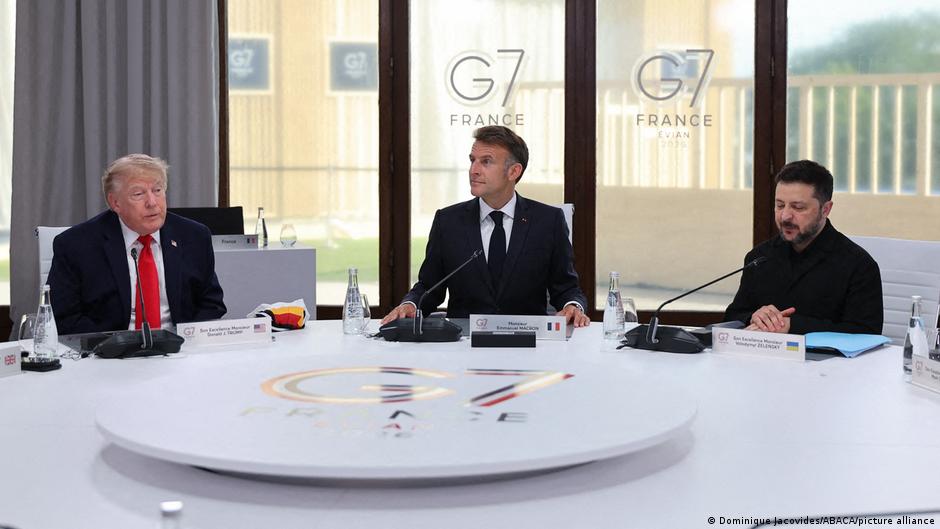
Macron and Trump discussed protecting Ukraine’s energy and civilian infrastructure as investors watch war risk, sanctions and defense demand.

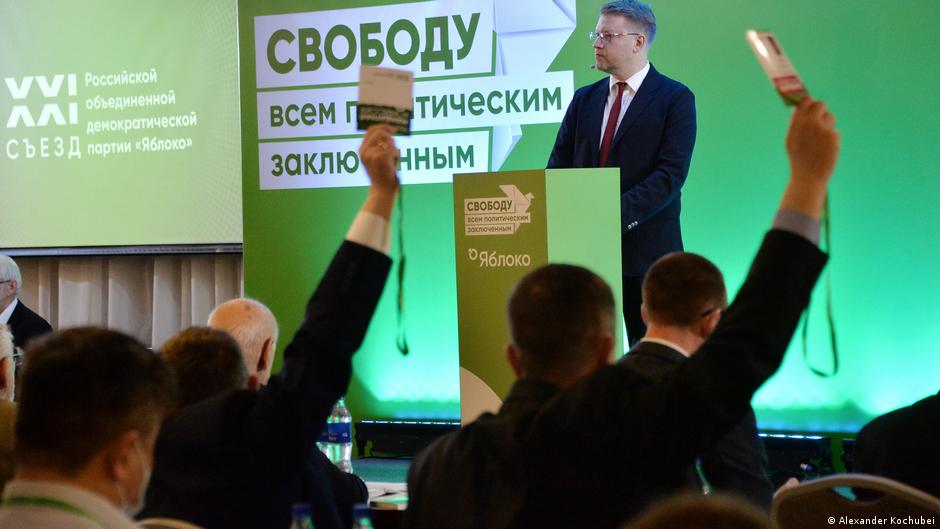
Yabloko’s Novgorod showing preserves a procedural path into future Duma races, adding nuance to Russia’s political risk picture for investors.

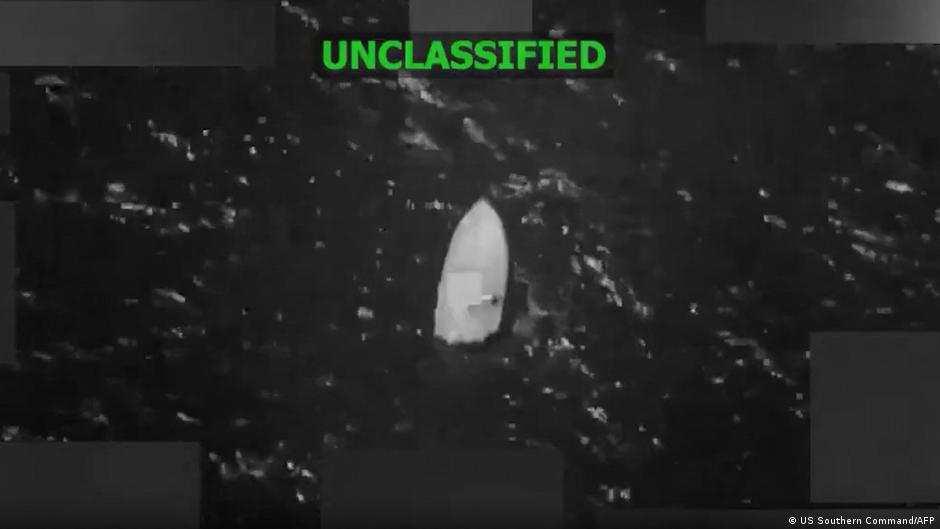
The U.S. said four people were killed in a Caribbean drug-boat strike, adding to a campaign watched by investors for policy and geopolitical risk.

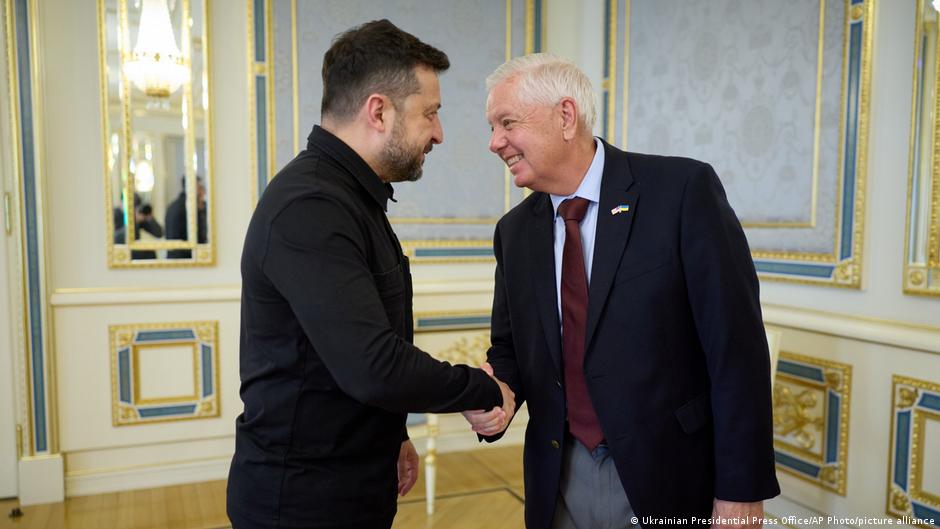
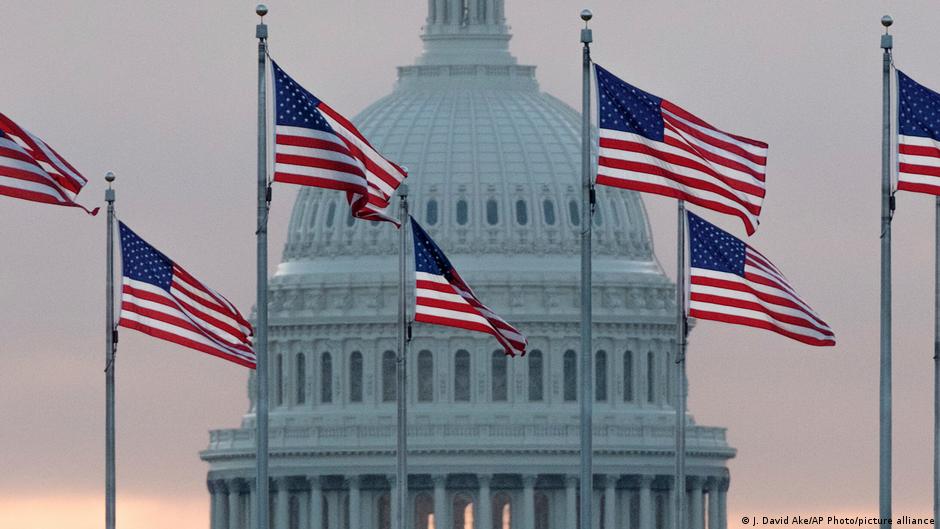
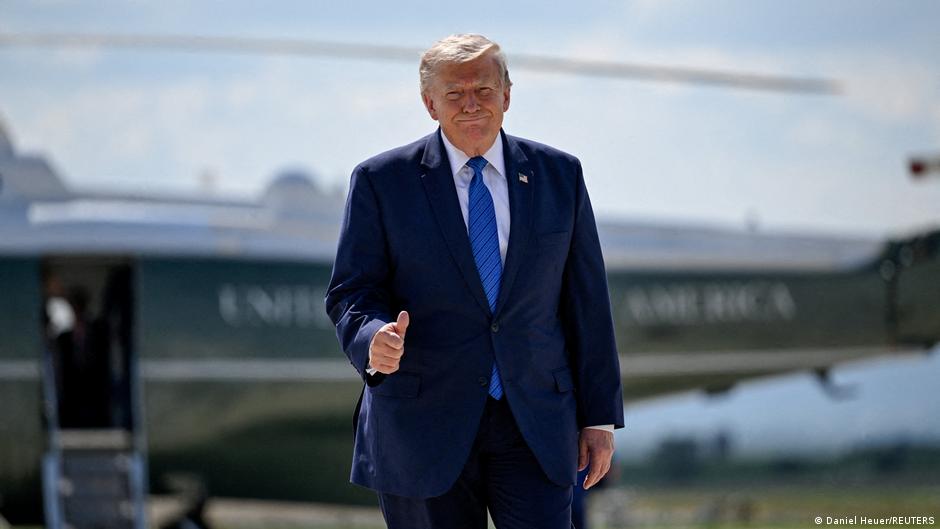
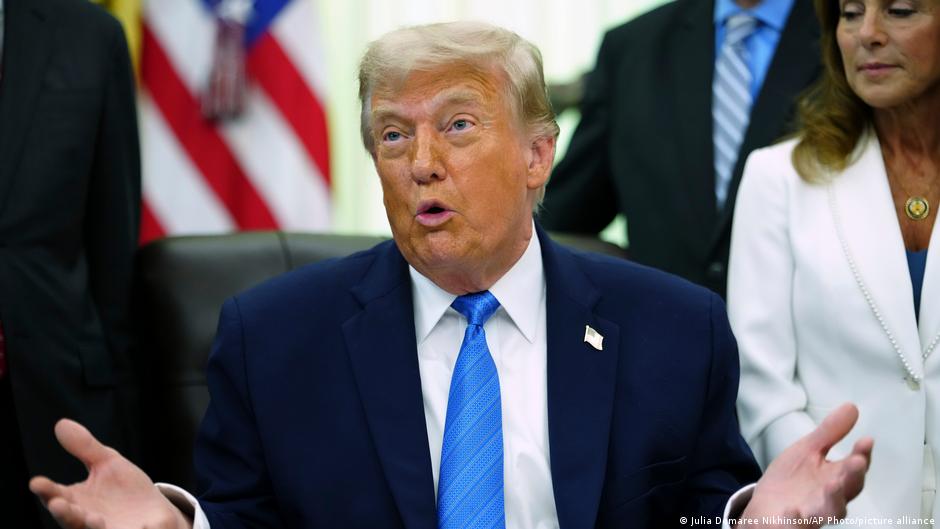
Trump signed the Graham sanctions law, giving the White House new tariff powers over Russian energy buyers and raising market uncertainty.

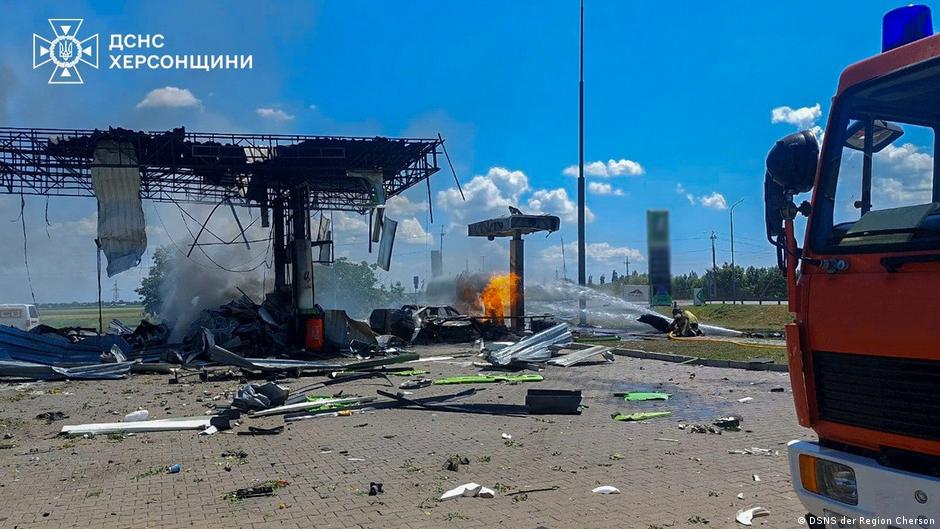
Russian attacks killed four people in Ukraine and injured others, keeping war risk in focus for investors watching European assets and credit.

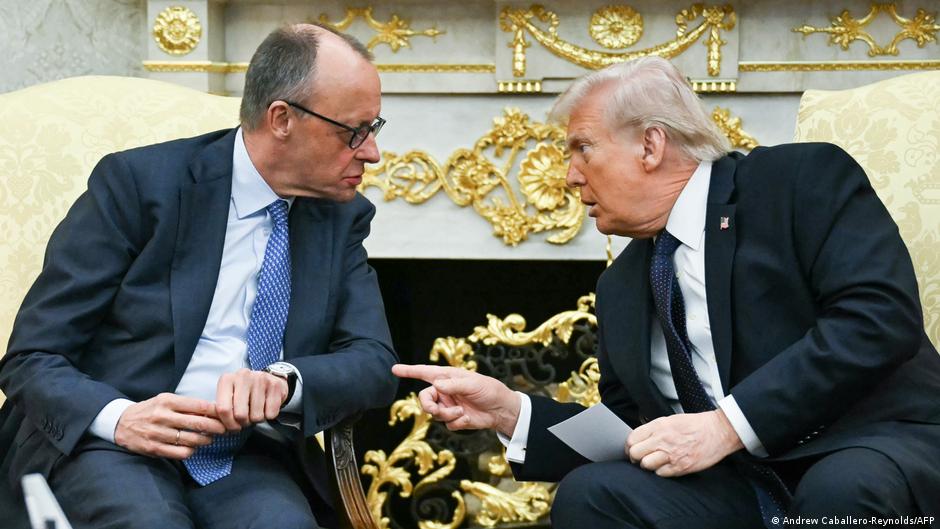
Merz said unconditional U.S.-German friendship may be over, pointing to defense spending, trade tensions and growth risks for investors.

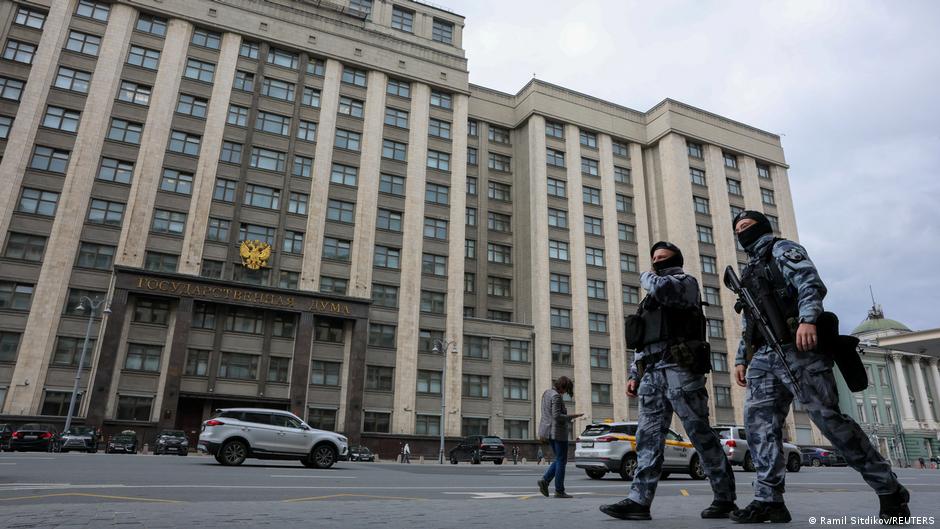
Russia’s three-day Duma election opens as investors assess policy continuity, sanctions risk and verification concerns in occupied territories.

The House advanced a sanctions bill that could allow 100% tariffs on major buyers of Russian energy, adding tariff and inflation risk for investors.

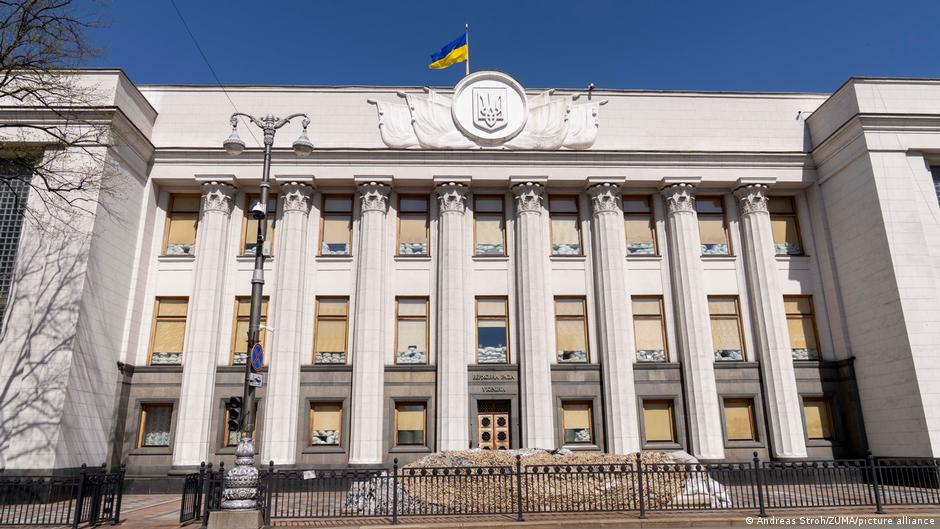
Ukraine’s parliament will review seven difficult bills tied to Western aid, as Kyiv seeks to close a defense-driven budget gap.

Zelensky expects late-September talks with U.S. officials on food and energy security as Black Sea exports and infrastructure risks remain in focus.

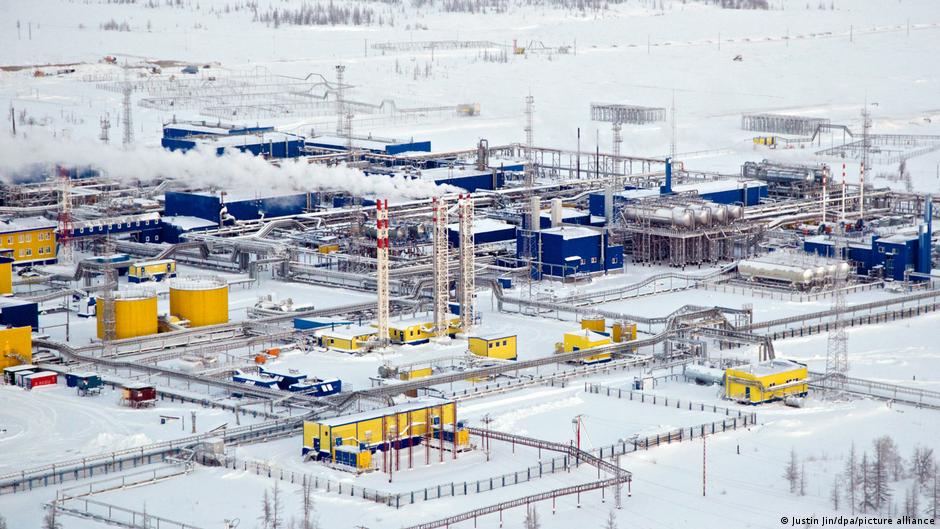
A reported Ukrainian drone strike in Russia’s Yamal gas region adds a new infrastructure risk point for energy and capital markets.

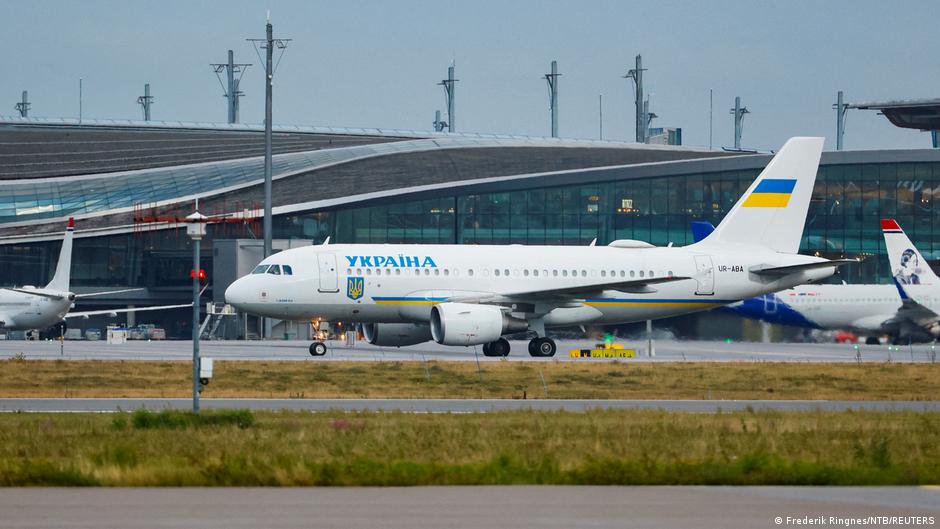
A reported drone threat delayed Zelenskyy’s flight from Moldova to Oslo, adding to market concerns over regional security and war spillover risk.

Russia struck Kyiv with drones and ballistic missiles, damaging homes, industrial sites and logistics assets as investors monitor war risk.

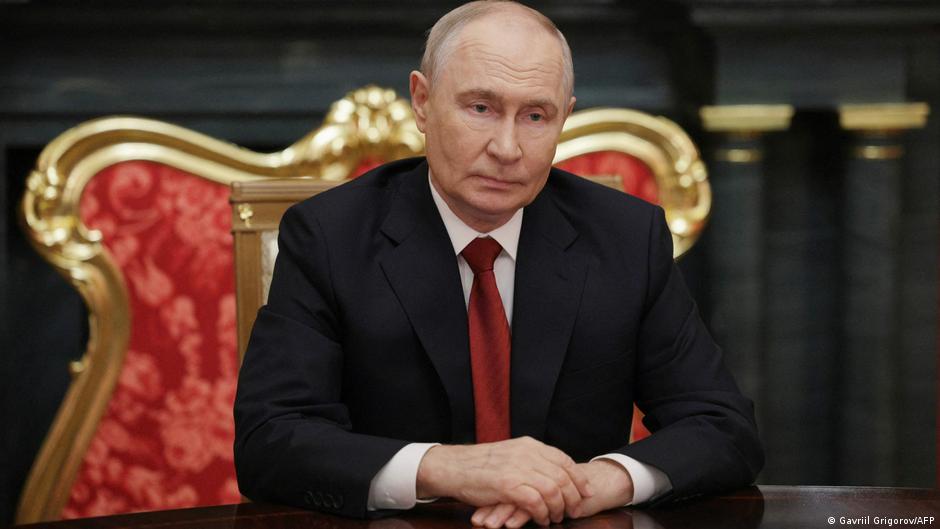
Putin backed using medically unfit volunteers for rear-area drone defense, adding another manpower signal for markets tracking Russia risk.

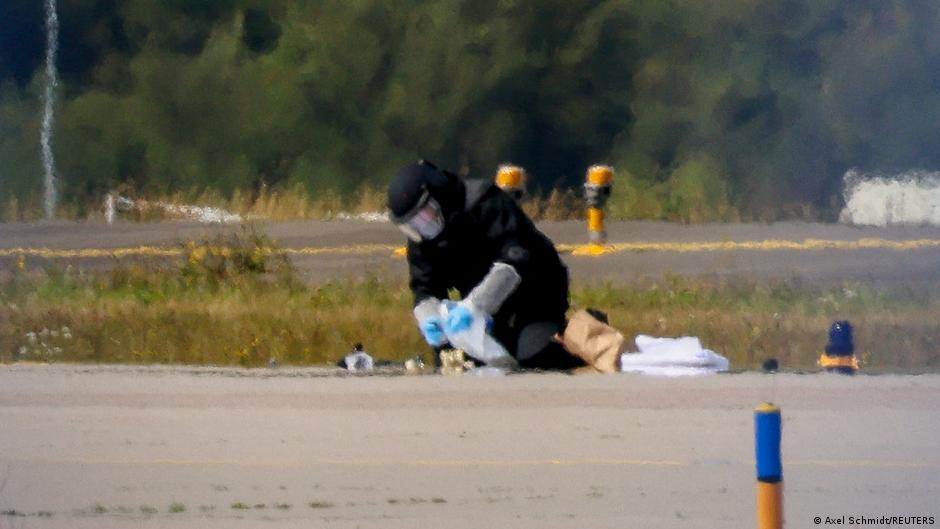
Latvia says a Leipzig sabotage suspect with a Latvian passport had lived in Russia, sharpening investor focus on sanctions, logistics and EU security risk.

Norway’s seizure of a Russian research vessel in a Naftogaz claim highlights growing enforcement risks around Russian state-linked assets abroad.

President Trump declares unprecedented economic war on Iran with sweeping sanctions, heightening risks and volatility in energy and financial markets worldwide.

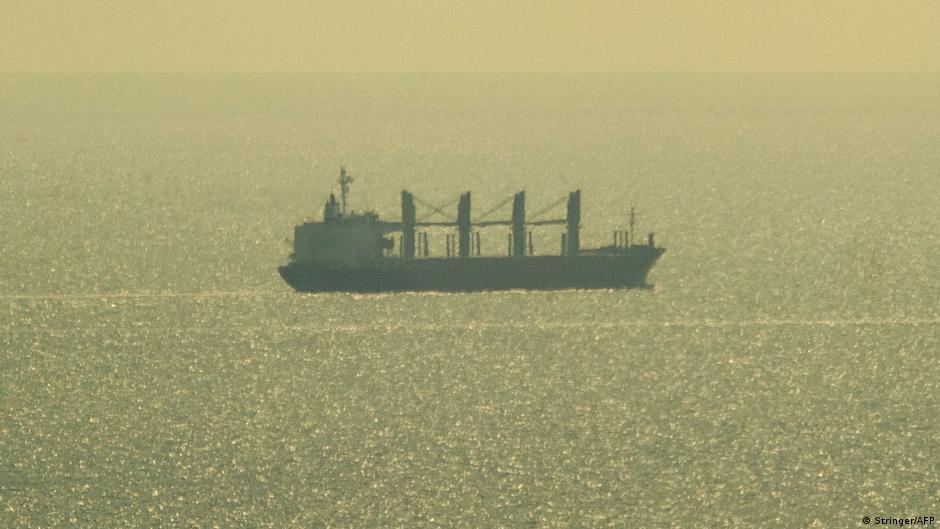
Ukraine sanctions 13 ships and 28 companies over illegal grain exports from Russian-occupied territories, signaling increased risks for related markets and investors.

Allegations of Russian forces executing surrendered Ukrainian soldiers raise geopolitical risks, impacting market volatility and investor sentiment toward Eastern European assets.

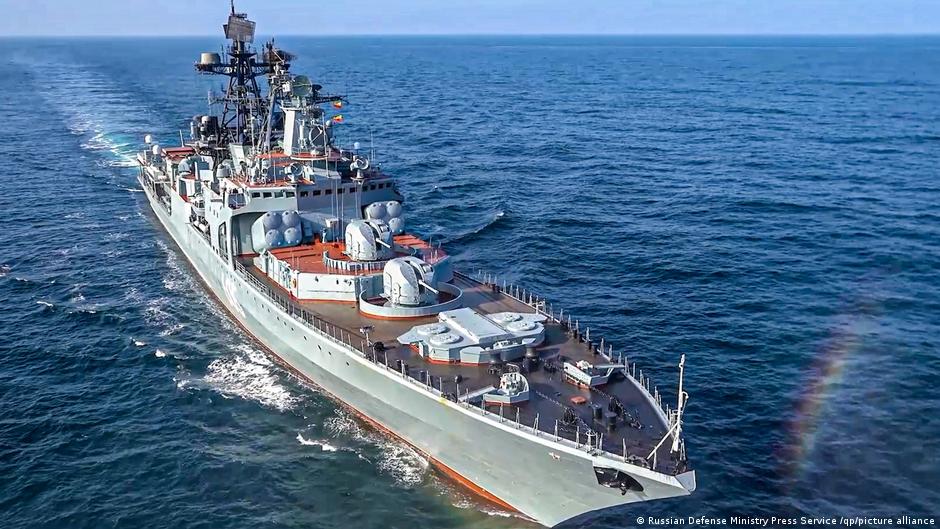
The deployment of Russia's anti-submarine ship Admiral Levchenko in the Baltic Sea near Germany signals increased maritime security efforts affecting European energy shipping routes and investor risk assessments.

President Trump announces renewed US-Iran talks starting August 3 after delaying military strikes, impacting equity, bond, and commodity markets amid geopolitical uncertainties.

Russia’s use of North Korean ballistic missiles in Ukraine escalates geopolitical risks, affecting global equities and driving investor demand for safe-haven assets.

The US Senate advances legislation imposing steep tariffs on Russia, signaling increased geopolitical risks that could affect energy markets and investor portfolios.

Ukraine’s president warns Russia plans to expand military mobilization in fall 2026, including North Korean troop support, posing risks for global markets and investors.

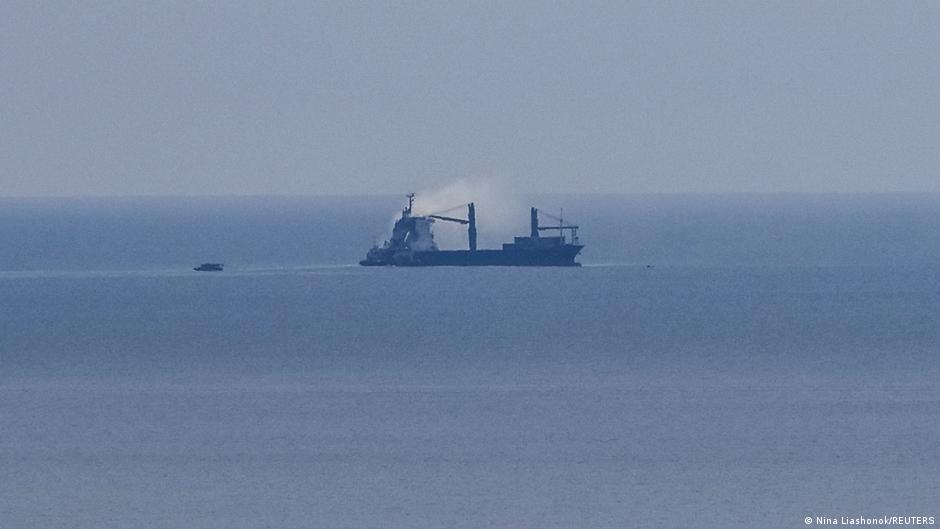
Russia’s attacks on Black Sea commercial vessels have heightened geopolitical risks, disrupting trade routes vital for global food security and prompting an emergency UN Security Council meeting.

June 2026 saw the highest civilian casualties in Ukraine since the conflict began, raising investor concerns over regional stability and impacting equity and bond markets.

US military strikes on Iran escalate tensions, impacting oil supply routes and causing volatility in energy markets and investor sentiment.

Russian drone and missile strikes on Ukraine fell significantly in June, raising cautious optimism but sustained uncertainty for investors amid ongoing conflict dynamics.

US military strikes on Iranian sites after drone attacks on oil tankers near Strait of Hormuz raise geopolitical risks, impacting energy markets and investor sentiment.

Russia's aviation fuel imports from Belarus surged nearly fourfold in May 2026 amid domestic production declines and refinery shutdowns, impacting fuel markets and investors.

The US Senate's vote to end military actions against Iran raises geopolitical uncertainties impacting equities, bonds, and investor risk appetite.

Russia’s maritime oil exports hit a 2026 peak despite falling prices amid US-Iran diplomacy, posing complex challenges for energy investors and capital markets.

The EU has extended sanctions on Russia for one year, impacting equities, bonds, and energy markets as investors adjust to sustained geopolitical risks.

G7 leaders commit to new sanctions on Russian oil and gas sectors and increase military aid to Ukraine, impacting energy and defense markets worldwide.

Iran has replenished about 75% of its missile arsenal, likely aided by new Russian missile deliveries, fueling geopolitical risks that affect defense equities and energy markets.

US President Trump cancels planned strikes on Iran amid diplomatic progress, easing geopolitical risks and stabilizing oil and equity markets.

US forces down Iranian drones threatening the Strait of Hormuz, escalating regional risks that impact global energy markets and investor sentiment.

The US House approves expanded sanctions on Russia and aid to Ukraine, with Senate approval pending, prompting market volatility and investor caution.

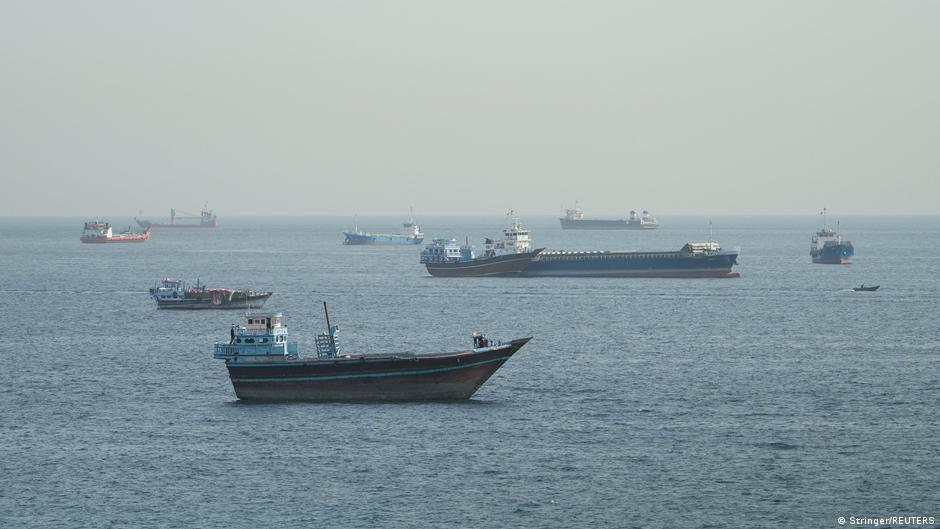
The US has quietly aided around 70 commercial ships through the Iran-blocked Strait of Hormuz, signaling ongoing regional tensions that affect energy and shipping markets.

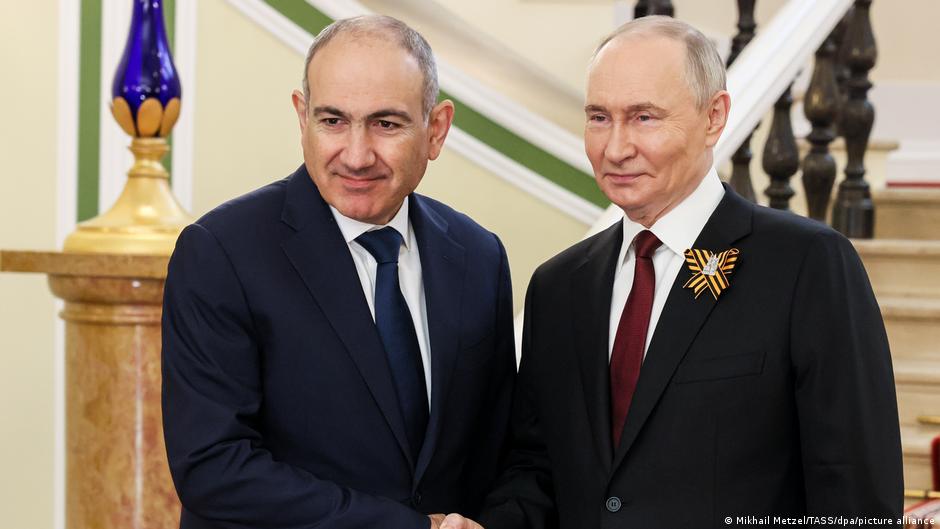
Russia warns Armenia it may halt duty-free gas and oil supplies amid Armenia’s EU rapprochement, raising risks for Armenian market stability and investor confidence.

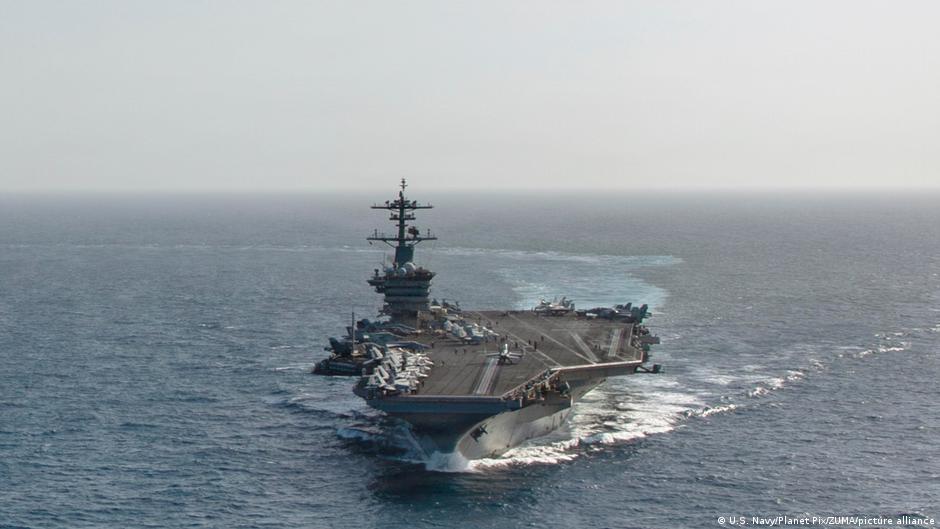
US defensive strikes on Iranian missile sites and vessels raise geopolitical risks, impacting energy and defense stocks, bond markets, and investor sentiment amid a fragile ceasefire.

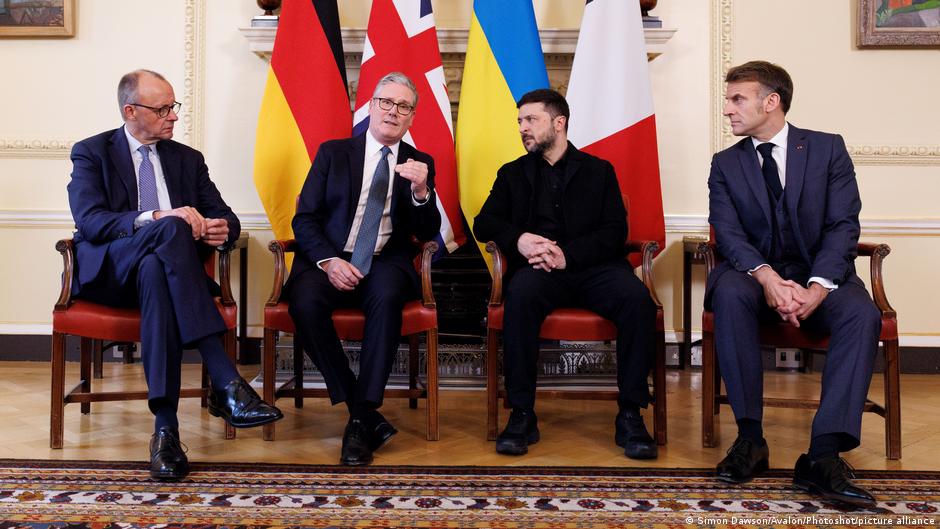
European leaders and Ukraine's president convened to discuss restarting peace talks, a move that may influence capital markets by affecting regional risk and investor confidence.

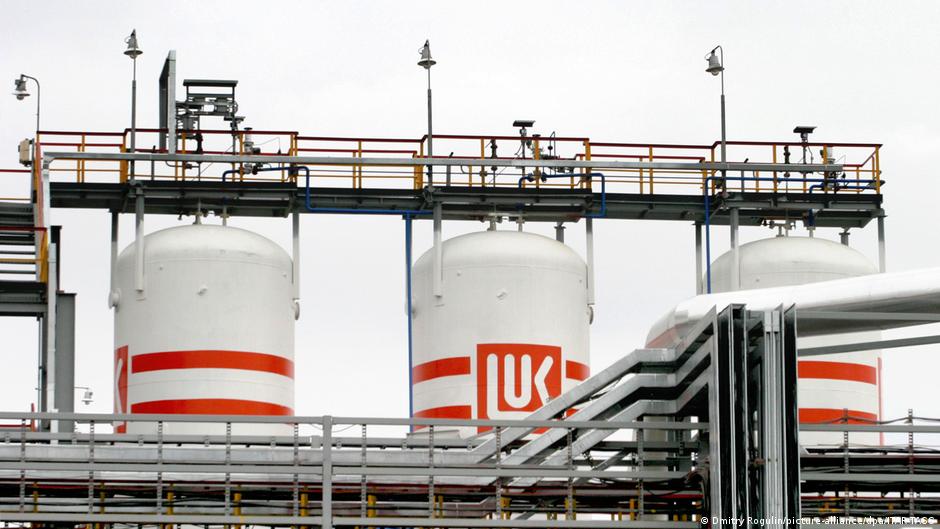
Ukrainian drone strikes have forced Lukoil's NORSI refinery to halve its capacity, affecting a quarter of Russia's refining output and tightening domestic fuel supplies.

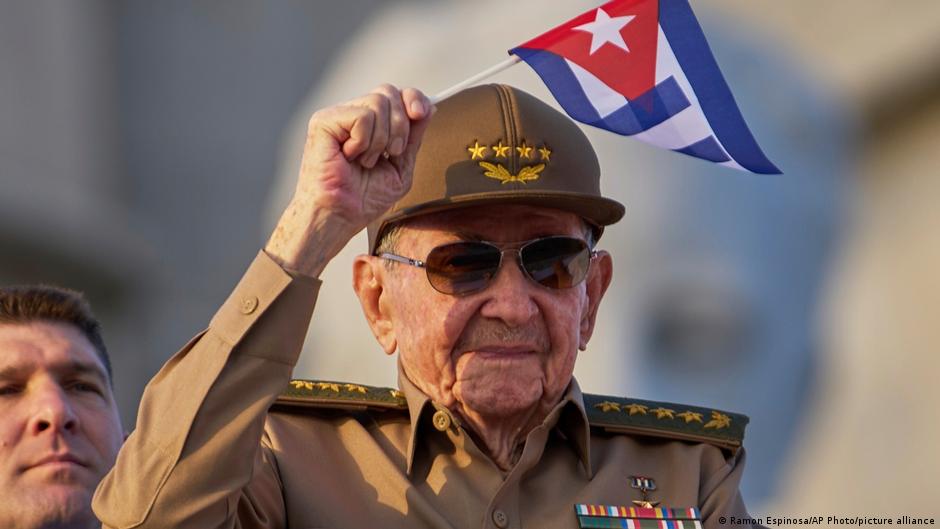
US charges Raul Castro over 1996 killing of pilots amid rising US-Cuba tensions, posing new geopolitical risks for investors in Latin America and emerging markets.

Moscow’s approval of Clemens von Goetze as Germany’s new ambassador highlights diplomatic continuity amid strained relations, impacting investor sentiment in capital markets.

The US has not renewed temporary sanctions relief on Russian oil shipments, potentially increasing market volatility and impacting energy equities and bonds.