US Senate Votes to End Military Actions Against Iran Amid Market Uncertainty
Senate approval of resolution calling for troop withdrawal elevates geopolitical risks influencing capital markets.
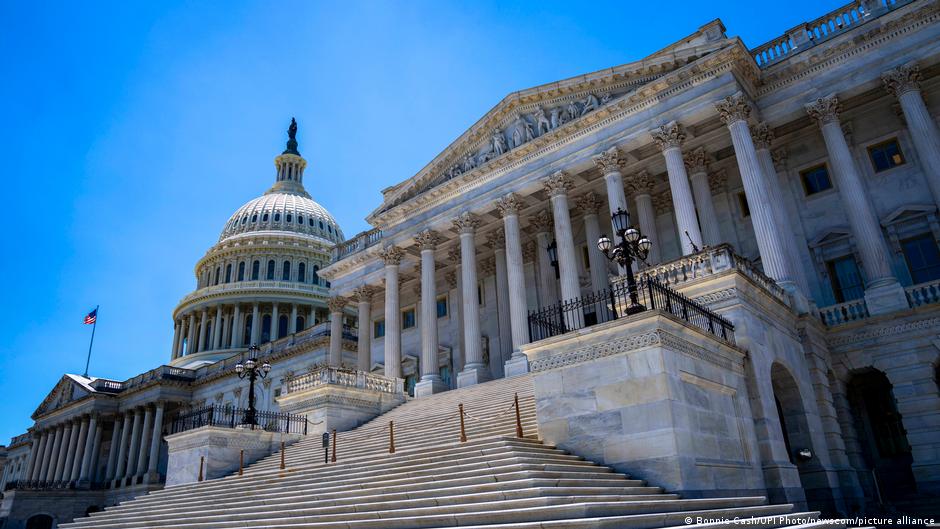
The United States Senate narrowly approved a resolution urging the withdrawal of American troops from combat zones related to Iran, signaling increased congressional concern over the ongoing conflict. The vote, which passed 50-48, reflects growing bipartisan unease about the long-standing military engagement that has persisted since early 2026.
Market Implications of Senate Resolution on Iran Conflict
The resolution, previously passed by the House of Representatives, calls on President Donald Trump to bring U.S. forces back from combat areas linked to Iran. Although the measure is largely symbolic and lacks binding legal authority, its passage introduces fresh volatility into capital markets already sensitive to geopolitical developments.
"This resolution sends a clear signal from Congress that any resumption of hostilities must have legislative approval," said a Senate Democrat involved in the process.
Despite the White House dismissing the resolution as lacking substantive impact and noting a ceasefire in place since mid-April, investors have been closely monitoring Washington's posture as tensions persist. The administration highlighted that no active combat operations are ongoing from which troops could be withdrawn, and cited attendance gaps among Republican senators during the vote as influencing the narrow margin.
However, uncertainty remains elevated. Washington and Tehran have continued to exchange hostilities sporadically even after a ceasefire agreement, and a recent memorandum of understanding signed in June outlines a tentative two-month halt to military actions and steps towards easing sanctions on Iran.
In parallel, ongoing diplomatic talks have made incremental progress on nuclear oversight, sanction relief, and maritime security in the strategic Strait of Hormuz. President Trump has indicated that Iranian authorities have agreed to allow international inspections of nuclear facilities, which could pave the way for more comprehensive peace negotiations.
For capital markets, these developments create a complex backdrop. Equity investors face geopolitical risks that could affect sectors such as energy, defense, and commodities. Bond markets may experience fluctuations in U.S. Treasury yields and emerging market debt tied to Iran and regional stability. Currency markets remain sensitive to risk sentiment shifts connected to Middle East tensions.
Financial analysts advise investors to remain cautious amid this evolving geopolitical landscape. "While the resolution itself is symbolic, it underscores the legislative branch's intent to influence foreign policy decisions, which could impact risk premiums across asset classes," noted a capital markets strategist.
As diplomatic efforts continue, market participants will be watching closely for any breakthroughs or escalations that might drive asset reallocations or volatility spikes. In the current environment, maintaining diversified portfolios and hedging geopolitical exposure remain prudent strategies.