US Plans to Declare Strait of Hormuz American Territory Amid Rising Geopolitical Tensions
President Trump's statement on claiming the Strait of Hormuz signals potential indefinite military deployment, impacting global oil markets and investor sentiment.
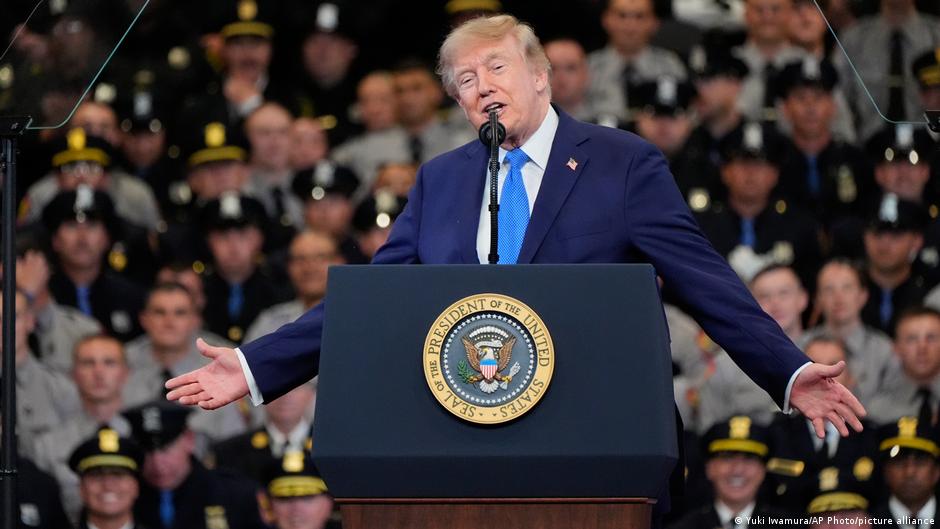
US President Donald Trump announced plans to declare the Strait of Hormuz as American territory following a final victory over Iran. This statement, made during a speech at the New York State Police Academy on August 15, suggests a significant shift in US strategic posture in the region, with potential implications for global capital markets.
Market and Geopolitical Implications of US Control Over Hormuz
Currently, the US military is actively controlling the Strait of Hormuz, effectively blocking Iranian ports. The strait is a pivotal maritime passage for global oil shipments, and its control directly affects global energy supply chains. Reuters reports that Iran also claims to be blocking the strait, leading to ongoing disruptions in shipping since the onset of the US and Israeli conflict with Tehran in February.
"This move could entail indefinite deployment of US troops in the region, a significant escalation from earlier promises of a short conflict," experts note.
Trump did not elaborate on the legal or diplomatic framework underpinning the declaration of the Strait as US territory. Such a claim would necessitate a permanent military presence, challenging earlier White House assertions that conflict with Iran would be brief. The president has previously expressed ambitions to assert US control over other strategic locations, including Greenland and the Panama Canal, and controversially referred to Venezuela as the "51st state."
The Iranian Deputy Foreign Minister, Qasem Garibabadi, responded firmly, declaring that Iran would not succumb to US threats or shows of force. This hardened stance contributes to heightened geopolitical risks that investors must consider.
Since the conflict's inception, global oil reserves have steadily declined due to the blockade of the Strait and the ongoing dispute over control. Iran has set forth new conditions for reopening the strait to shipping, including demands for compensation for the war and lifting of sanctions. These uncertainties are already affecting commodity prices and the energy sector.
In recent remarks, Trump maintained that US forces have cleared mines from the Strait, emphasizing that economic pressure on Tehran could yield better results than further military strikes. The prospect of sustained US control over this crucial shipping route introduces variables that could influence bond yields, stock market volatility, and investment flows, particularly in energy-related sectors.
Investors should closely monitor developments in US-Iran relations and their impact on global supply chains, as continued instability may lead to increased risk premiums in capital markets.