US-Iran Conflict Enters Tenth Day: Implications for Global Capital Markets
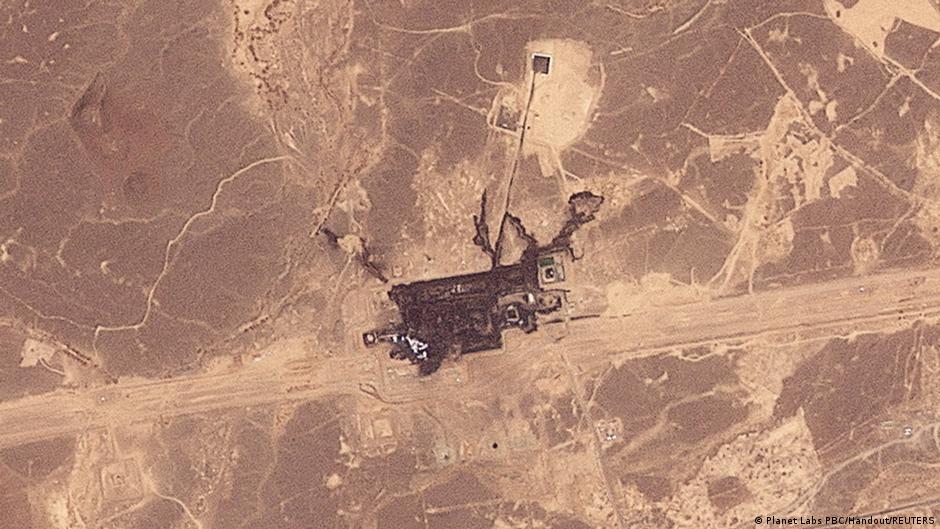
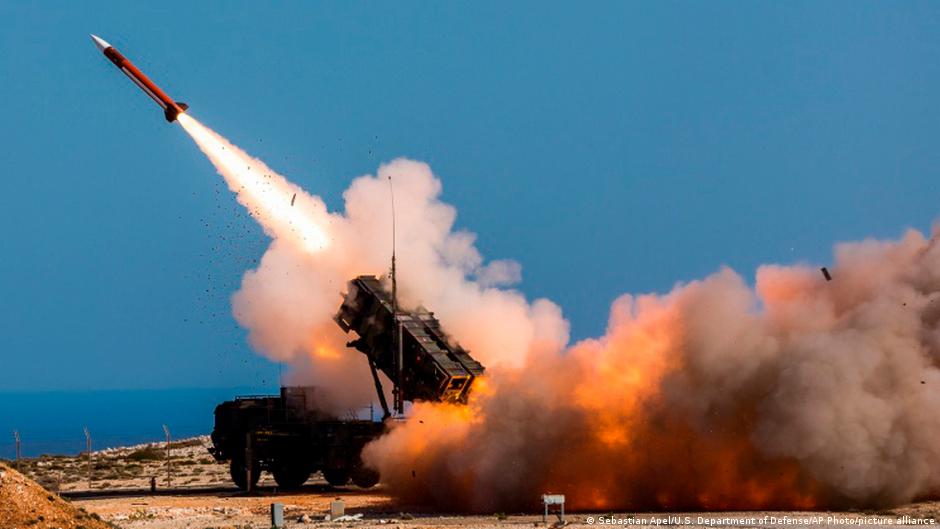
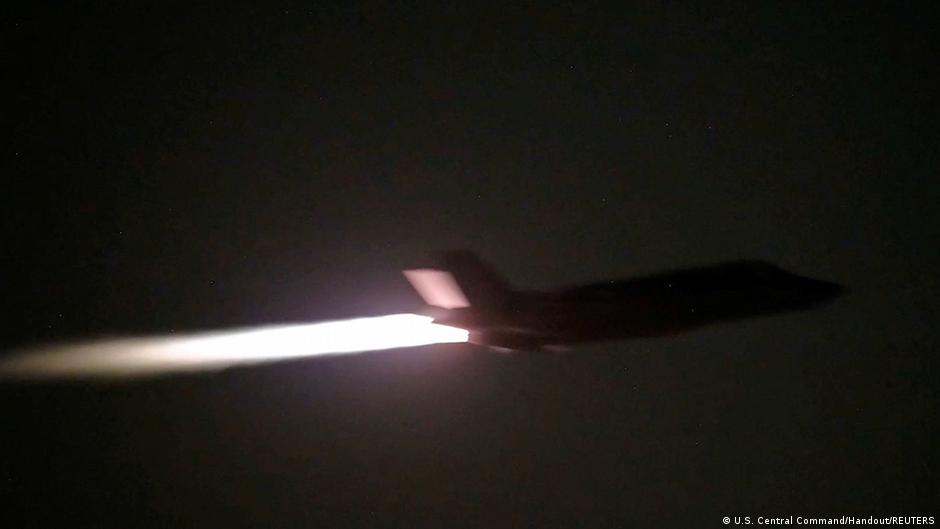
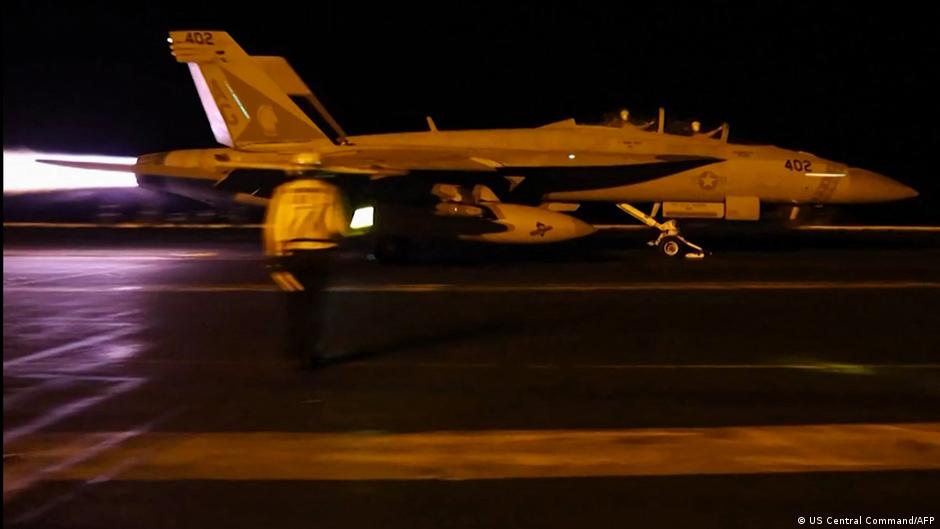
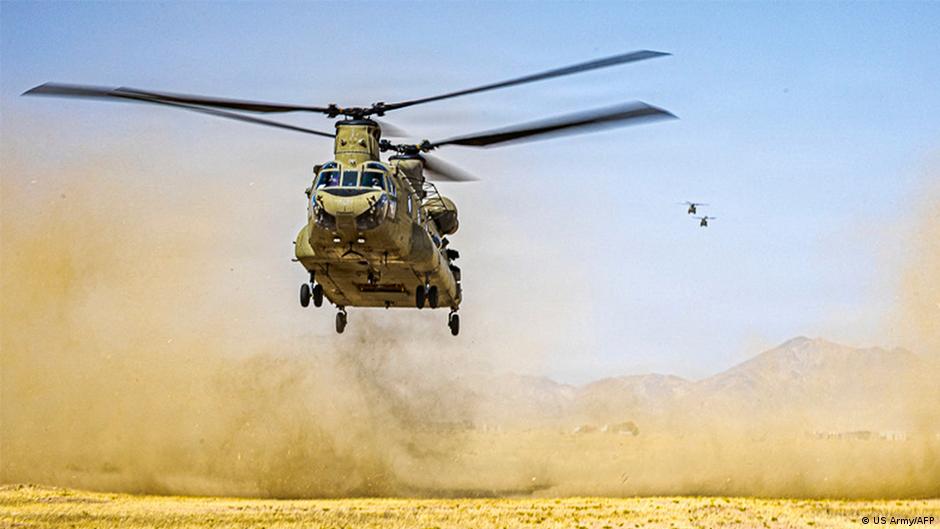
US military strikes against Iran enter tenth day, heightening risks for energy markets and global investors amid escalating Middle East tensions.

US military strikes against Iran enter tenth day, heightening risks for energy markets and global investors amid escalating Middle East tensions.

The IMF has approved a €604 million tranche for Ukraine under its EFF program, supporting economic stability amid war and reform delays, impacting capital markets and investor confidence.

US military deaths in the Iran conflict have increased to 17, prompting heightened market volatility and impacting energy, defense equities, and bond markets amid rising geopolitical risks.
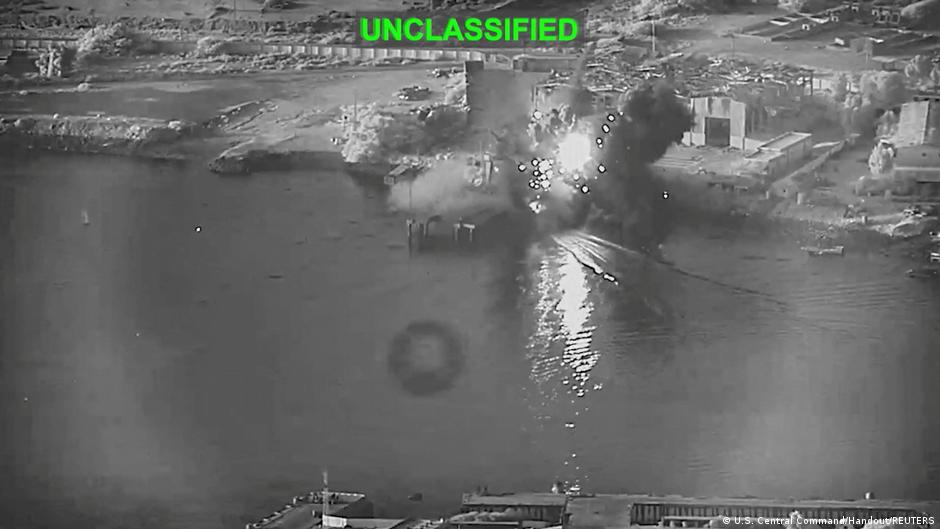
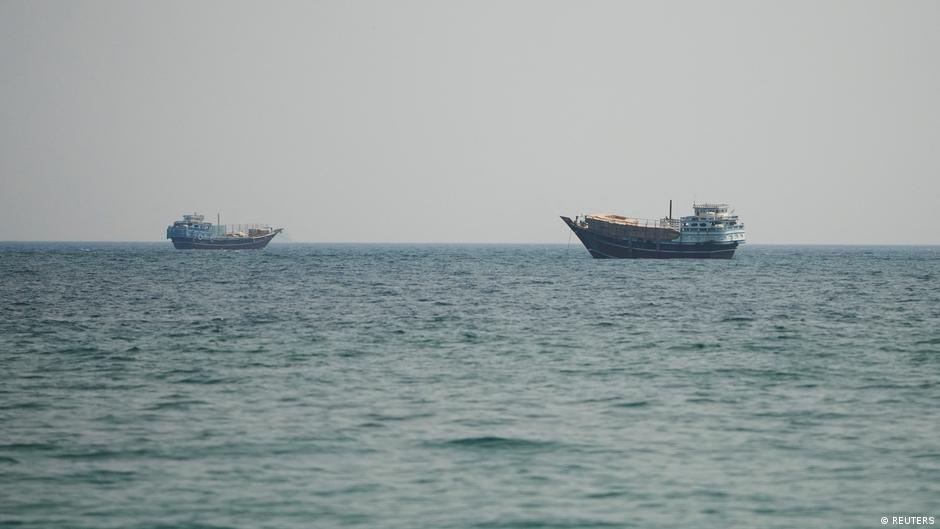
US and Iran military clashes near the Strait of Hormuz are disrupting oil shipping and increasing market uncertainty, affecting energy prices and investor risk sentiment worldwide.

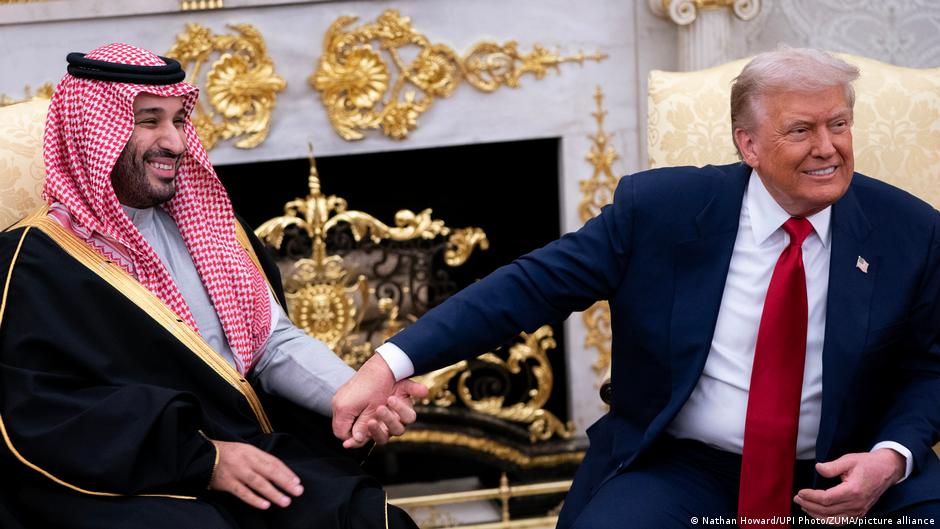
US plans to permit Saudi uranium enrichment without strict safeguards raise geopolitical risks, impacting equities and bonds in Middle Eastern markets.

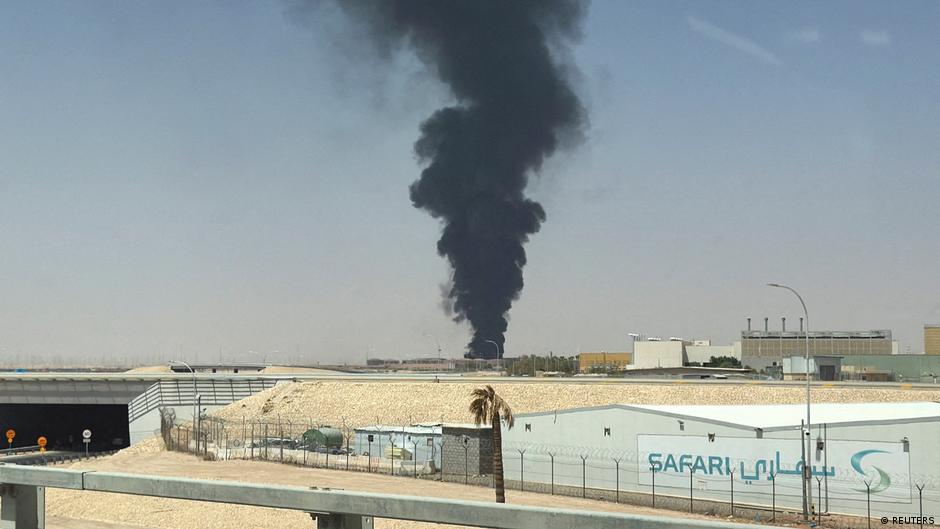
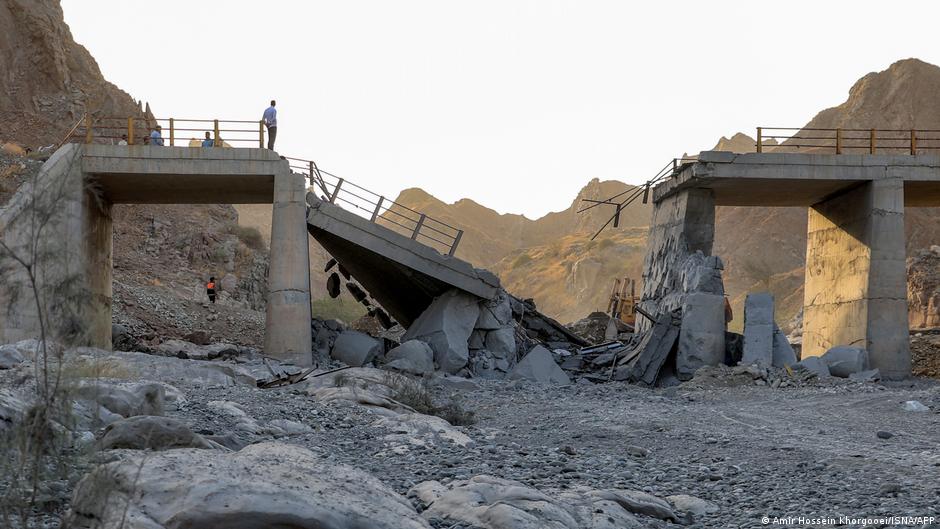
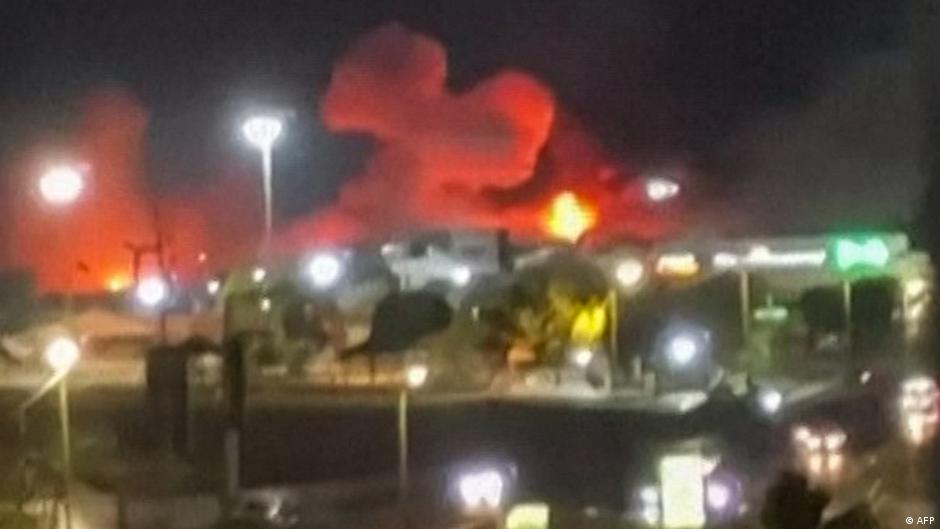
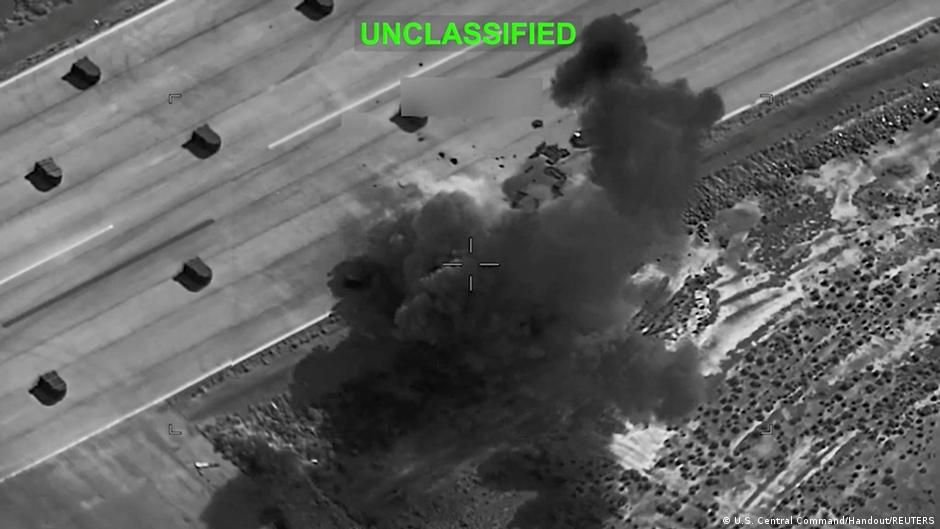
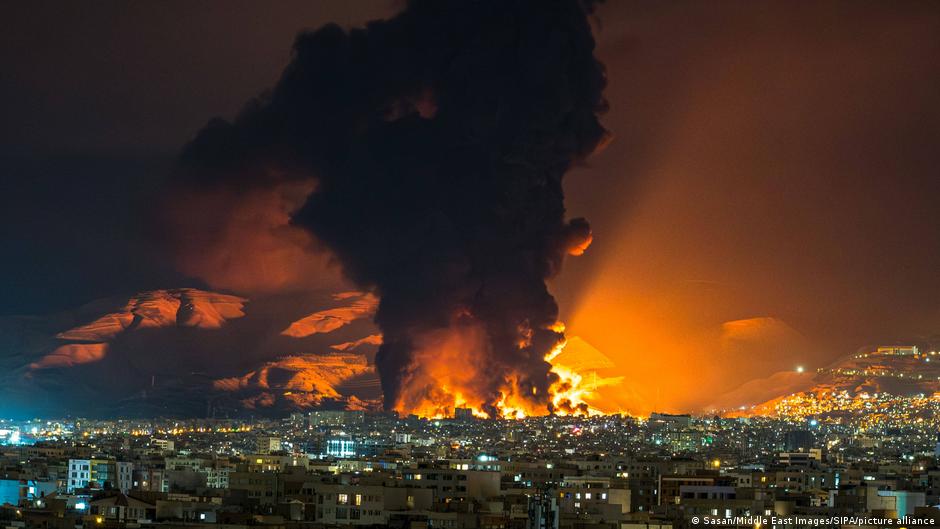
US strikes on Iranian infrastructure escalate geopolitical risks, causing volatility in regional equities and bonds, with implications for global investors.

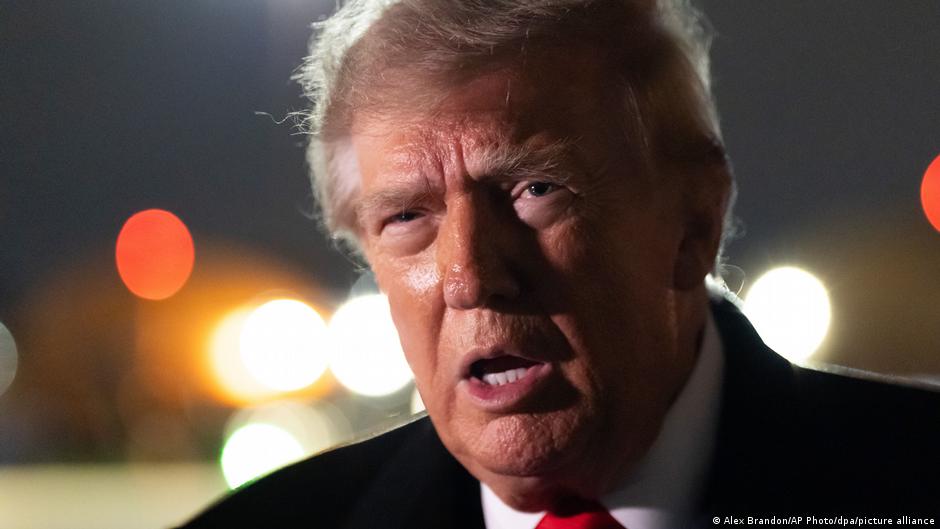
Trump accuses China of accessing data on 220 million US voters and interfering in the 2020 election, raising concerns about election security and political risk in markets.

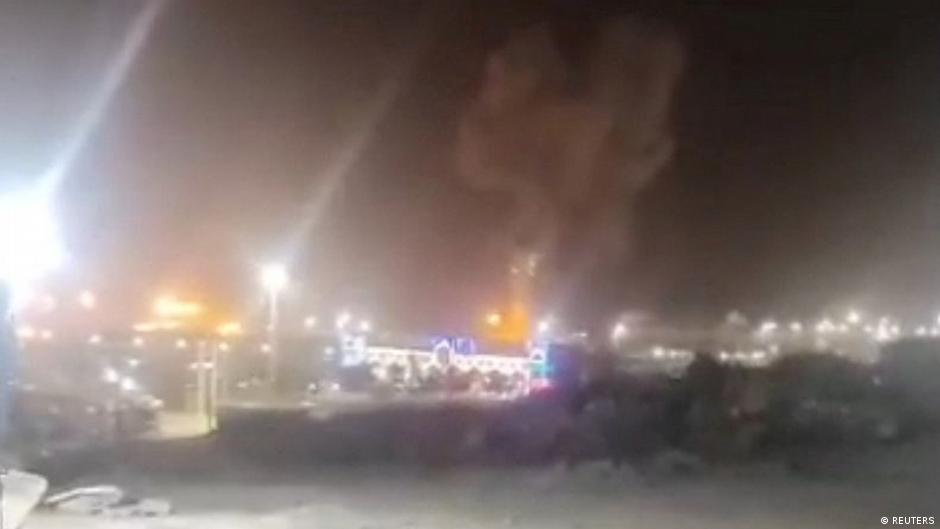
US airstrikes on Iranian targets and Tehran’s retaliatory attacks escalate Middle East tensions, driving volatility in oil markets, equities, and bonds.

The US is advancing plans to revive an Iraq-Syria oil pipeline to bypass the Strait of Hormuz, aiming to reduce Iran’s influence and alter energy market dynamics.

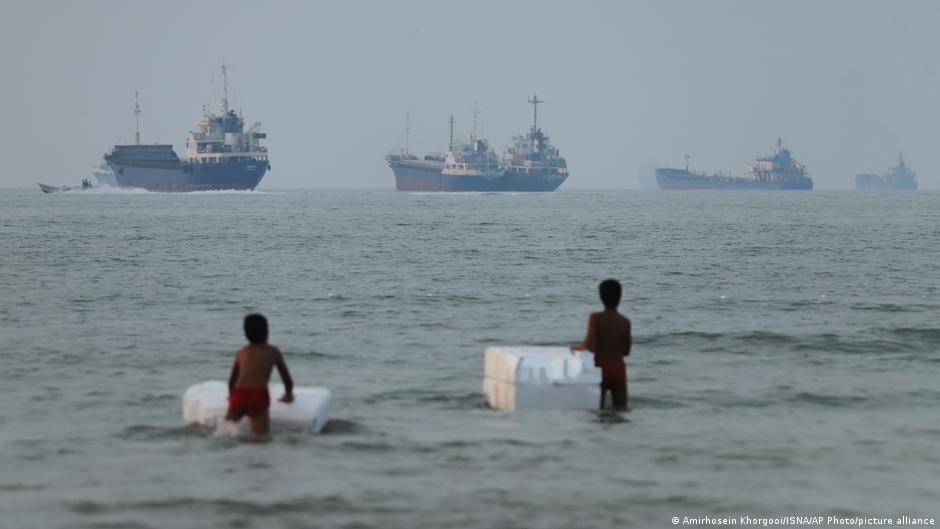
US strikes on Iran near the Strait of Hormuz escalate tensions, impacting oil shipping routes and increasing risks for energy markets and investors globally.

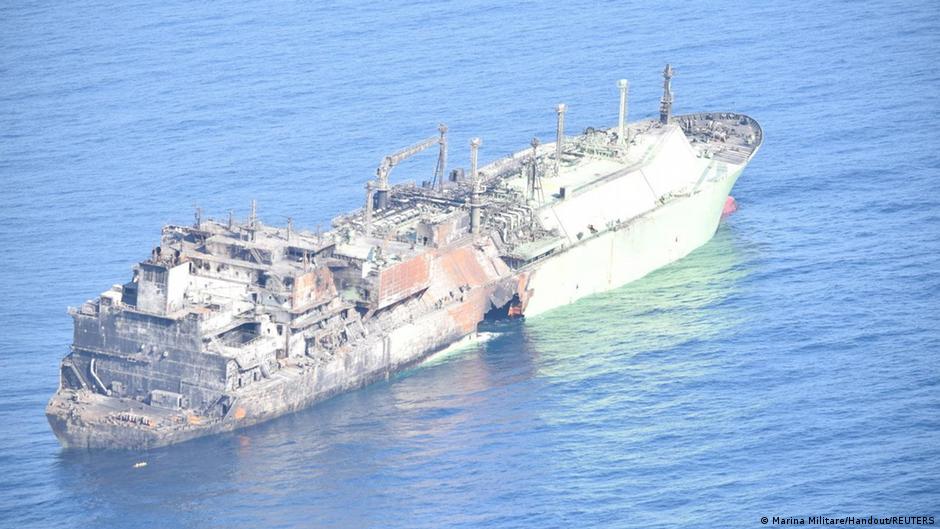
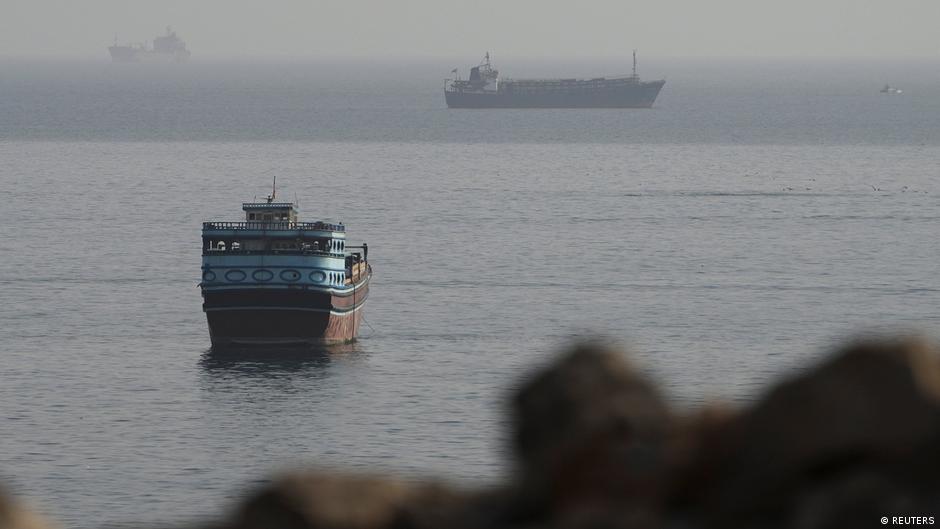
US military strikes against Iran following attacks on commercial vessels have led to the closure of the Strait of Hormuz, impacting global oil supply and increasing market volatility.

Iran’s mourning of Ayatollah Khamenei amid leadership uncertainty and renewed regional conflict raises geopolitical risks, impacting markets and investor confidence.

US military strikes on Iran escalate tensions, impacting oil supply routes and causing volatility in energy markets and investor sentiment.

US military strikes on Iran after attacks on tankers escalate Middle East tensions, triggering volatility in energy markets and impacting investor risk sentiment globally.

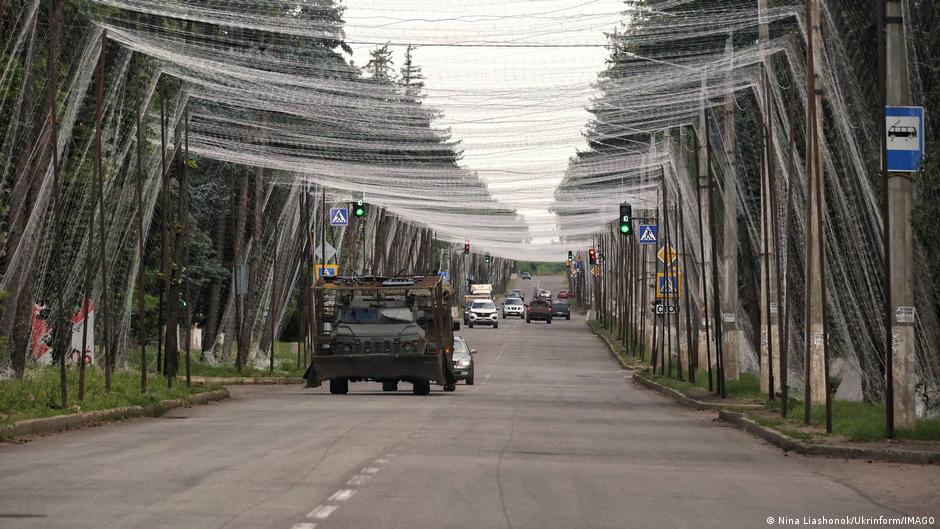
Russian drone and missile strikes on Ukraine fell significantly in June, raising cautious optimism but sustained uncertainty for investors amid ongoing conflict dynamics.

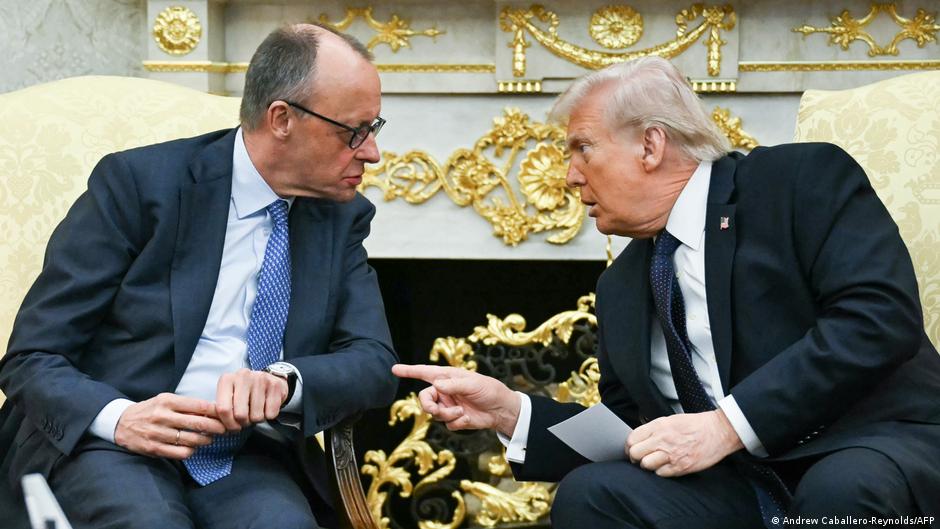
German and U.S. foreign ministers meet amid global economic challenges, reinforcing transatlantic ties and signaling potential shifts in NATO funding and geopolitical risk management.

The US and Iran agree on a temporary ceasefire until June 30 talks on Strait of Hormuz navigation, easing oil price volatility and reducing geopolitical risks for investors.

US military strikes on Iranian sites after drone attacks on oil tankers near Strait of Hormuz raise geopolitical risks, impacting energy markets and investor sentiment.

US and Iran exchanged military strikes after an Iranian drone attacked a merchant vessel in the Strait of Hormuz, causing oil prices to rise and increasing market volatility.

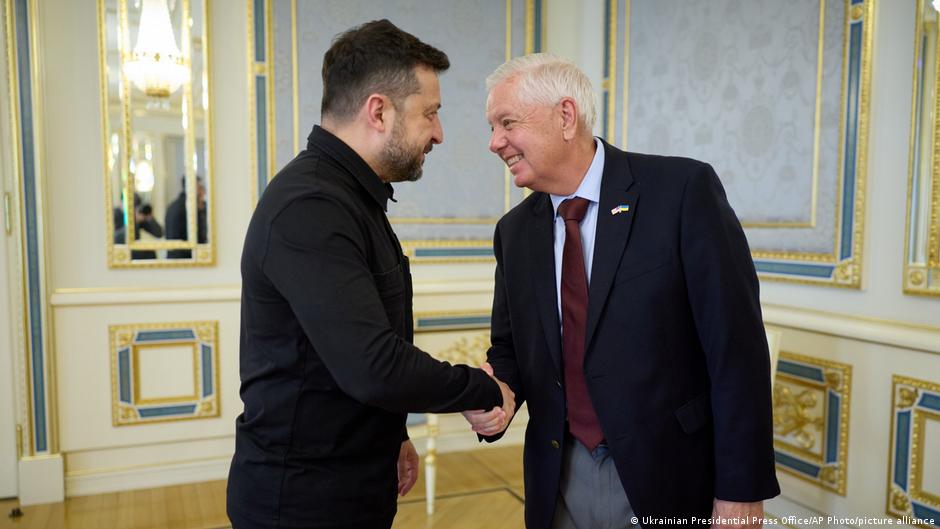
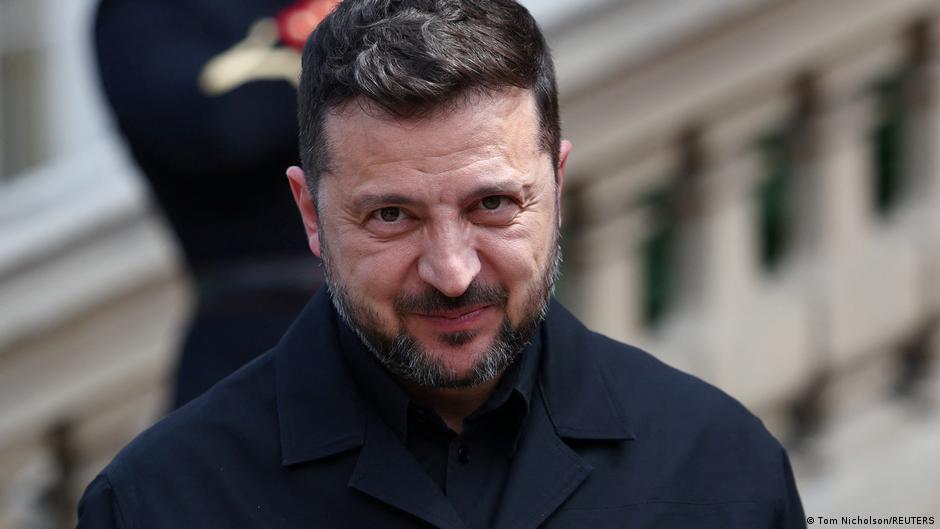
Former President Trump praises Zelensky's leadership amid the Ukraine conflict, influencing market sentiment as investors weigh geopolitical risks and sanctions impacts.

The US Senate's vote to end military actions against Iran raises geopolitical uncertainties impacting equities, bonds, and investor risk appetite.

Russia’s maritime oil exports hit a 2026 peak despite falling prices amid US-Iran diplomacy, posing complex challenges for energy investors and capital markets.

US and Iran agree on a communication channel for the Strait of Hormuz, easing geopolitical risks and potentially stabilizing energy markets and investor sentiment.

President Trump threatens a transit fee for ships passing the Strait of Hormuz if the US-Iran deal fails, raising oil market and investor uncertainty amid regional tensions.

US intelligence warns Israel may disrupt US-Iran deal, raising geopolitical risks that heighten market volatility and affect investor strategies in equities and bonds.

US envoy Whitcraft’s arrival in Switzerland for nuclear talks with Iran introduces fresh geopolitical risks that could impact equities, bonds, and investor sentiment.

The US has lifted its blockade of the Strait of Hormuz, reopening vital oil transit routes and initiating negotiations with Iran, impacting global energy markets and investor confidence.

Pakistan announces immediate reopening of the Strait of Hormuz following a US-Iran peace memorandum, potentially easing geopolitical risks impacting energy markets and investors.

G7 leaders commit to new sanctions on Russian oil and gas sectors and increase military aid to Ukraine, impacting energy and defense markets worldwide.

European leaders welcome the US-Iran peace deal, emphasizing regional stability, nuclear non-proliferation, and potential easing of market risks, particularly in energy sectors.

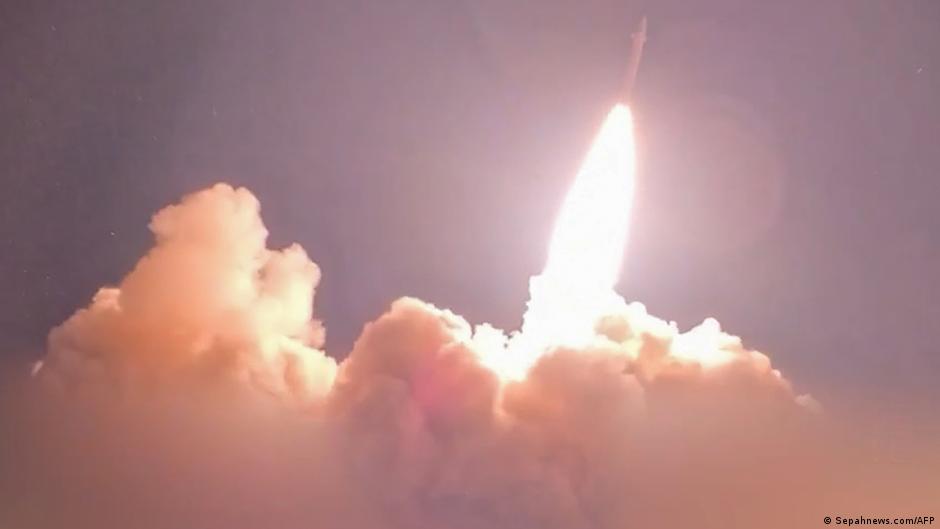
Iran has replenished about 75% of its missile arsenal, likely aided by new Russian missile deliveries, fueling geopolitical risks that affect defense equities and energy markets.

Reports of the UAE unfreezing billions in Iranian assets to halt attacks have sparked market speculation, though official denials fuel investor uncertainty amid diplomatic talks.

US President Trump cancels planned strikes on Iran amid diplomatic progress, easing geopolitical risks and stabilizing oil and equity markets.

Renewed US-Iran hostilities and Iran’s closure of the Strait of Hormuz have triggered market volatility and raised concerns over oil supply disruptions.

Twenty-two countries condemn Iran for attacks on their territories, raising geopolitical tensions and triggering cautious capital market responses.

US military strikes on Iranian targets following the downing of an Apache helicopter have intensified regional tensions, impacting energy prices and investor sentiment.

Israeli and Iranian military exchanges intensify amid US-led peace talks, causing volatility across equities and bonds as investors assess geopolitical risks.

US forces down Iranian drones threatening the Strait of Hormuz, escalating regional risks that impact global energy markets and investor sentiment.

The US House passes a resolution restricting President Trump's military actions against Iran without Congress approval, reflecting political shifts that could impact markets sensitive to Middle East tensions.

The US-brokered ceasefire between Israel and Lebanon prompts cautious optimism in equities and bond markets amid ongoing geopolitical risks in the Middle East.

Tensions rise after Israeli strikes in Lebanon and US President Trump’s harsh criticism of Netanyahu, heightening geopolitical risks impacting equities and bonds.

The US has quietly aided around 70 commercial ships through the Iran-blocked Strait of Hormuz, signaling ongoing regional tensions that affect energy and shipping markets.

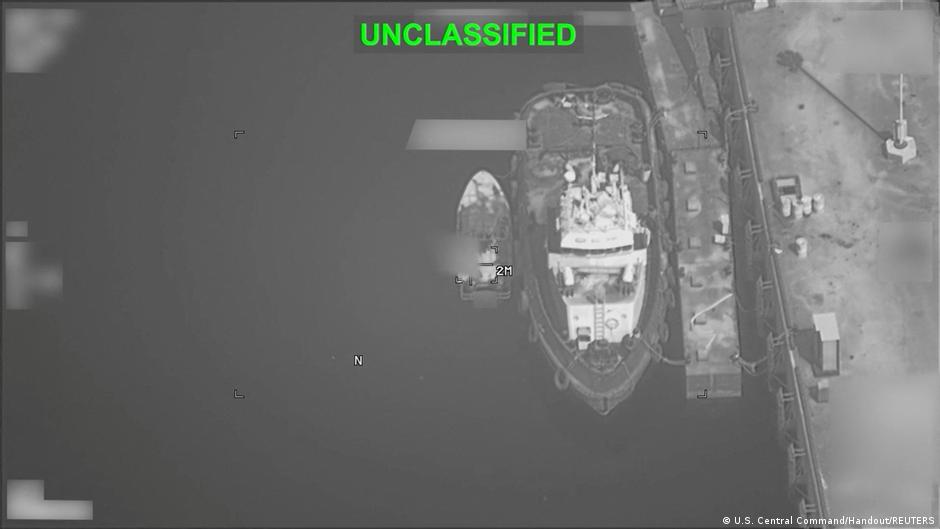
US forces disabled a Gambian-flagged vessel headed to Iran amid Strait of Hormuz blockade, raising regional tensions and impacting energy markets and investor sentiment.

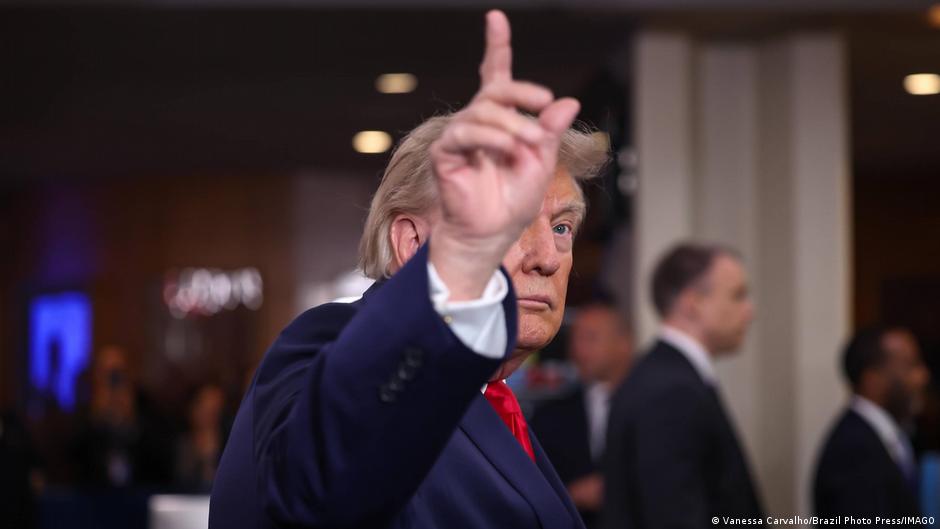
President Trump demands Iran respect U.S. 'red lines' on nuclear weapons, affecting market sentiment and investor strategies amid ongoing diplomatic talks.

US defensive strikes on Iranian missile sites and vessels raise geopolitical risks, impacting energy and defense stocks, bond markets, and investor sentiment amid a fragile ceasefire.

Trump states Iran's enriched uranium will be destroyed either in the US or under IAEA oversight, increasing geopolitical tensions with potential impacts on global capital markets.

European leaders and Ukraine's president convened to discuss restarting peace talks, a move that may influence capital markets by affecting regional risk and investor confidence.

The UK granted an indefinite license for importing refined fuels derived from Russian oil, easing supply constraints amid geopolitical tensions and impacting energy market dynamics.

The US Senate advanced a resolution limiting presidential war powers against Iran, influencing market stability amid ongoing geopolitical tensions.

US President Trump delays planned Iran strike after Gulf leaders intervene, triggering cautious market reactions amid ongoing high-stakes negotiations.