US-Iran Military Clashes After Attack on Merchant Vessel Impact Global Capital Markets
US airstrikes on Iranian missile and drone facilities escalate tensions, affecting oil prices and investor sentiment.
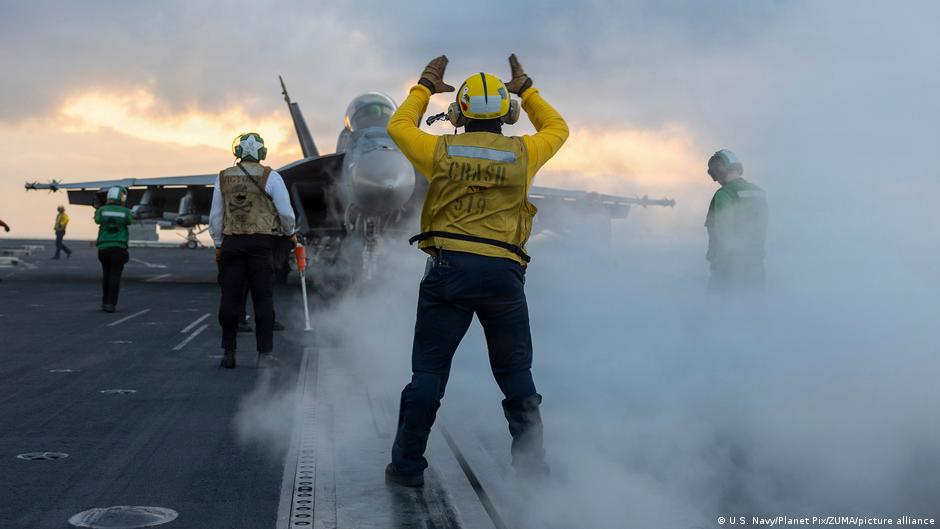
US military forces launched targeted strikes against Iranian missile and drone storage sites along with coastal radar installations in response to Iran's drone attack on a civilian merchant ship, marking a significant escalation in regional tensions. This development has immediate repercussions for global capital markets, particularly in energy and defense sectors.
Market Reactions and Investor Implications
On June 26, the US Central Command (CENTCOM) confirmed that American air power struck Iranian facilities following the June 25 drone attack on the Singapore-flagged cargo vessel Ever Lovely as it transited the strategic Strait of Hormuz. Authorities labeled the assault an "unprovoked aggression" that violates the recently agreed ceasefire framework between the two countries.
In retaliation, Iran's Islamic Revolutionary Guard Corps (IRGC) fired upon US military bases in the Middle East and warned of a "more extensive response" if further aggression occurs. Tehran claims ownership over navigation control in the Strait of Hormuz under agreements with Washington, accusing the US of provocations undermining these commitments.
"This attack signals a fragile ceasefire and underscores the volatility of the Strait of Hormuz, a vital artery in global oil supply chains," analysts noted.
The incident occurred just days after a June 17 framework agreement intended to halt hostilities and secure safe passage for commercial vessels in the region. The attack on Ever Lovely has renewed concerns over maritime security, causing the International Maritime Organization (IMO) to suspend evacuation operations for hundreds of ships and over 11,000 seafarers trapped in the Persian Gulf area amid ongoing US and Israeli military actions against Iran.
Oil prices surged globally as traders reacted to the risks of potential supply disruptions, driving energy equities higher while increasing volatility across equity and bond markets. Investors are closely monitoring geopolitical developments that could affect crude availability and broader economic stability.
US President Donald Trump condemned Iran's actions as a "foolish breach" of the ceasefire, highlighting that Iran deployed at least four drones against vessels traversing the Strait. This rhetoric adds to uncertainty in market sentiment, pressuring risk assets and boosting demand for safe-haven investments such as US Treasury bonds.
Broader Capital Market Context
The escalation underscores how geopolitical conflicts in critical chokepoints like the Strait of Hormuz exert pressure on global financial markets. The energy sector, already sensitive to supply chain risks, experienced immediate price adjustments, with oil stocks witnessing increased trading volumes and price volatility.
Meanwhile, bond markets responded with a flight to quality as investors sought refuge amid rising geopolitical risks. Yields on US Treasuries dipped slightly as demand increased, reflecting cautious investor behavior. Equity markets are likely to experience continued volatility as uncertainty persists regarding the potential for prolonged conflict escalation.
Market participants are advised to monitor developments closely, especially regarding US-Iran diplomatic engagement and security in maritime trade routes, as these factors will significantly influence capital flows, asset valuations, and global economic outlook in the near term.