Russian Airstrikes on Kramatorsk Impact Regional Stability and Market Sentiment
Recent Russian attacks on Kramatorsk have intensified geopolitical risks, influencing investor confidence and regional market dynamics.
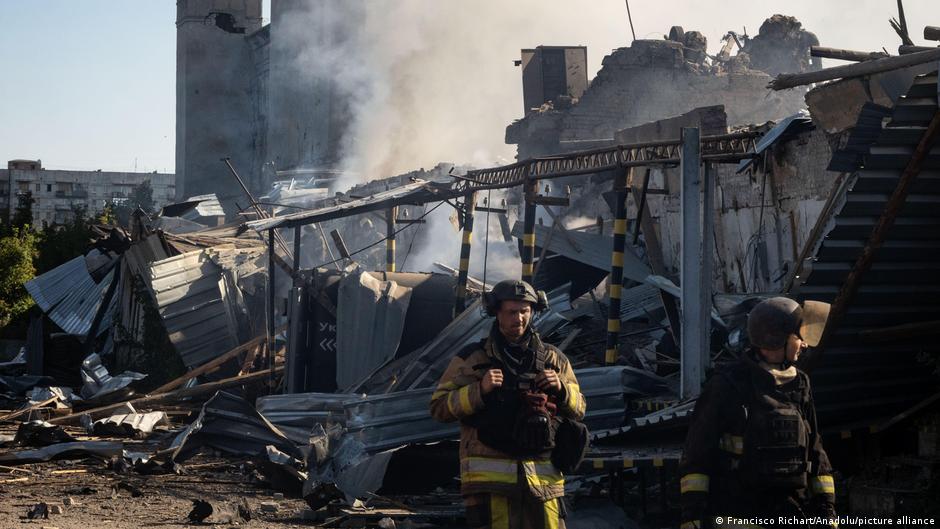
On the evening of August 13, Russian military forces launched a series of airstrikes targeting the city of Kramatorsk and the nearby settlement of Belenkoye in Ukraine’s Donetsk region. Preliminary reports indicate the use of aerial bombs, resulting in at least one fatality and 15 injuries.
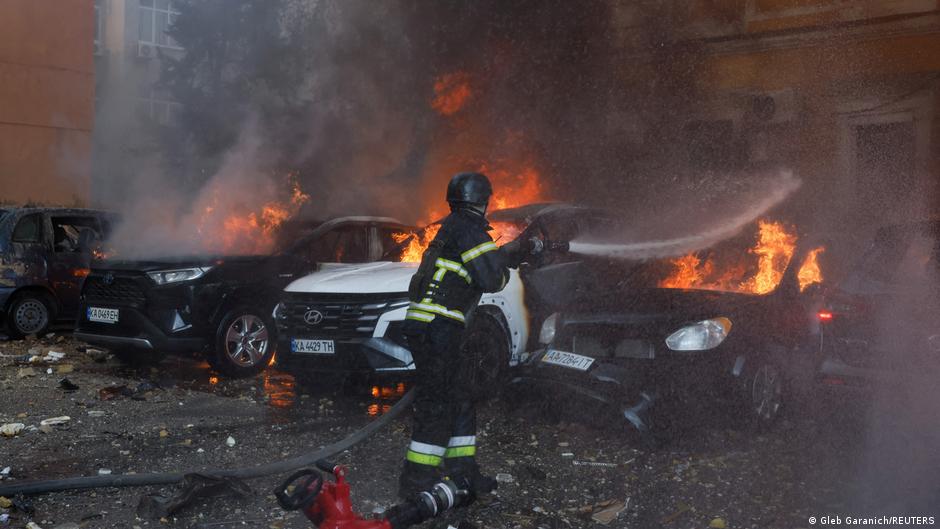
Kramatorsk, a frontline city frequently subjected to Russian aerial assaults, experienced eight bomb strikes within a 26-minute window between 20:30 and 20:56 local time. The attacks caused significant damage to residential buildings, including the partial collapse of a nine-story apartment block and subsequent fires. Emergency responders indicated that individuals might still be trapped beneath the rubble.
Market Implications of Escalating Conflict
These latest developments exacerbate geopolitical tensions in Eastern Europe, heightening uncertainty in global capital markets. Investors often respond to such escalations with increased risk aversion, leading to volatility in equities, bonds, and commodity markets.
"The sustained attacks on civilian infrastructure in Kramatorsk deepen concerns about the conflict’s trajectory, impacting investor sentiment and regional economic stability," said a market analyst focusing on Eastern European assets.
Equity markets sensitive to geopolitical risk, particularly those with exposure to Eastern Europe and energy sectors, may experience downward pressure. The conflict's persistence threatens supply chains and energy transit routes, which are already under scrutiny amid global inflationary pressures.
In the fixed income space, heightened risk premiums on Ukrainian and regional sovereign bonds could emerge as investors reassess credit risks. Additionally, safe-haven assets such as gold and U.S. Treasuries often benefit from flight-to-quality flows during periods of regional instability.
For investors, these dynamics underscore the importance of portfolio diversification and risk management strategies that can mitigate exposure to geopolitical shocks. Market watchers will closely monitor forthcoming developments and international responses that could influence the conflict's duration and intensity.
Previous attacks earlier in July, including multiple airbomb strikes that resulted in casualties and widespread fires, reinforce the fragile security environment. The ongoing hostilities pose sustained risks to the economic outlook of the region, influencing both local and international investor behavior.