US-Iran Ceasefire Agreement Eases Oil Market Tensions Ahead of Strait of Hormuz Talks
US and Iran agree to halt attacks until June 30 meeting in Qatar, calming oil markets amid ongoing regional uncertainties.
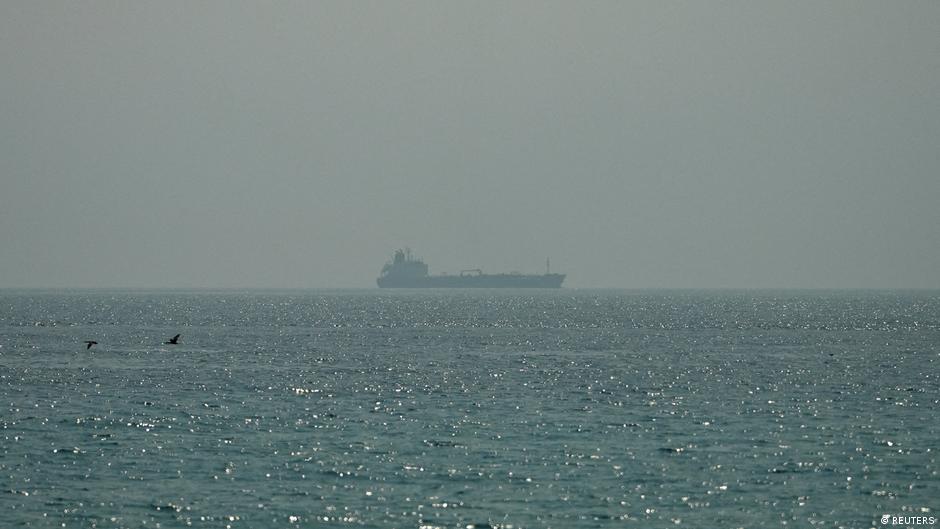
On June 28, reports confirmed that the United States and Iran have agreed to a temporary ceasefire, agreeing not to attack each other until a scheduled meeting on June 30 in Qatar. The talks will focus on restoring free navigation through the Strait of Hormuz, a critical chokepoint for global oil shipments.
Market Implications of the US-Iran Ceasefire
The Strait of Hormuz remains partially restricted, with Iran demanding that vessels coordinate their routes with its military. Despite earlier promises by then-US President Donald Trump to fully reopen the passage, maritime traffic currently operates along only two narrow corridors. This limited access has suppressed oil transportation volumes to less than half of pre-conflict levels.
In the days leading up to the ceasefire, the region experienced significant military exchanges. On June 26-27, despite the declared truce, the US launched strikes on several Iranian coastal bases after Iran attacked two commercial vessels transiting the Strait. Tehran justified its actions by citing deviations from agreed routes, while US officials viewed Iran’s moves as attempts to tighten control over the crucial waterway.
Iranian retaliatory strikes targeted US military installations in Kuwait and Bahrain, with reports indicating substantial damage to the base in Bahrain. The escalation threatened to unravel the fragile ceasefire, which had been in place since April 8 but violated multiple times.
"Both parties have confirmed their commitment to meet on June 30 to discuss the resumption of free navigation in the Strait of Hormuz," a Washington source noted.
For capital markets, these developments have translated into significant volatility in oil prices and related equities. Following the announcement of a US-Iran memorandum of understanding on June 17, oil futures declined, reflecting investor optimism about reduced geopolitical risk. On June 24, Brent crude fell to $73.22 per barrel—the lowest since February 27, just before the initial US and Israeli strikes against Iran. West Texas Intermediate (WTI) crude similarly dipped to $69.87 per barrel on the same day.
Energy equities, particularly those with exposure to Middle Eastern supply chains or shipping through the Strait, have been sensitive to these geopolitical fluctuations. The temporary ceasefire has provided some relief to investors concerned about supply disruptions, though market participants remain cautious given the unresolved issues.
The ceasefire agreement is not comprehensive but serves as a pause in hostilities. Over the next 60 days, the US and Iran are expected to negotiate key matters including Iran’s nuclear program, US troop withdrawals from neighboring countries, and whether Iran will levy transit fees on vessels passing through the Strait.
Market watchers emphasize that progress or setbacks in these discussions will critically influence oil prices and regional stability. For now, the temporary truce offers a window of reduced uncertainty, allowing investors to reassess risk in energy markets and related capital assets.