US Special Envoy Whitcraft Heads to Switzerland for Iran Nuclear Talks Amid Market Uncertainty
Resumption of US-Iran negotiations in Switzerland raises questions on geopolitical risks impacting global capital markets today.
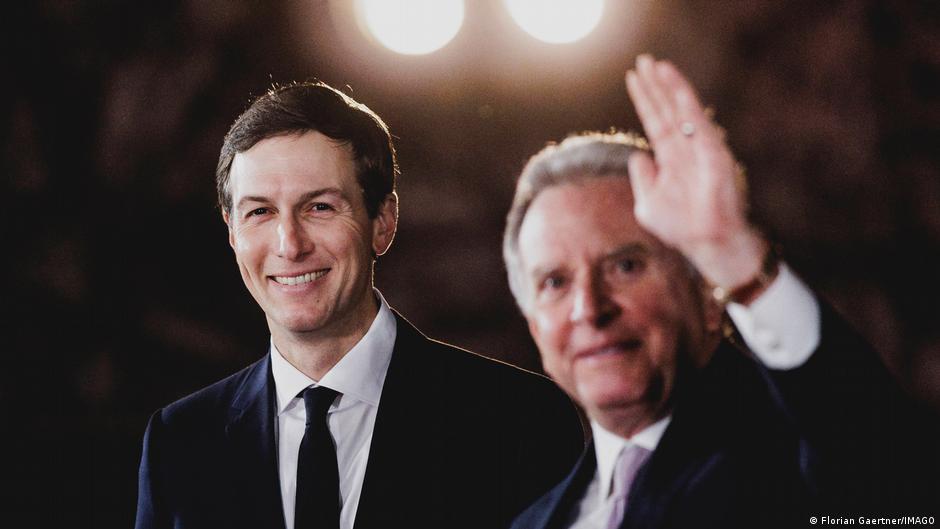
Steven Whitcraft, the US President's special envoy, has arrived in Switzerland to engage in the first round of nuclear deal negotiations with Iranian representatives. This development follows a delay from the initial scheduled talks on June 19, which were postponed due to ongoing regional conflicts. Whitcraft’s mission signals a renewed diplomatic effort that is being closely monitored by global investors given the potential implications for geopolitical stability and market dynamics.
Market Implications of Renewed US-Iran Diplomatic Talks
The negotiations between the United States and Iran have a direct bearing on capital markets, influencing risk sentiment, equity valuations, and sovereign bond yields. The planned memorandum of understanding central to these talks includes a cessation of hostilities along multiple fronts, notably in Lebanon, where conflict between Israel and the Iranian-backed Hezbollah militant group has intensified. The stability of this ceasefire is a critical factor for investors assessing Middle Eastern geopolitical risk.
"The talks carry significant weight for investor confidence, as any progress could ease regional tensions and positively affect market sentiment," analysts note.
The delayed negotiations come at a time when the US administration seeks to unlock approximately $24 billion of Iranian assets and facilitate $300 billion in reconstruction funds via private investment. These financial flows could impact currency markets and international trade dynamics, prompting investors to weigh the potential for renewed sanctions relief or continued economic isolation.
US President Donald Trump publicly attributed the postponement to Iran, asserting that the country is under pressure and will not receive financial aid unless negotiations proceed on terms favorable to Washington. This rhetoric adds a layer of uncertainty for equity and bond markets that track developments in US foreign policy.
Meanwhile, key intermediaries including Qatar’s Prime Minister Sheikh Mohammed bin Abdulrahman Al Thani and Iran’s Foreign Minister Abbas Araghchi are actively participating in the mediation process. Their involvement underscores the importance of regional diplomacy in shaping outcomes that could influence investor perceptions of Middle Eastern stability.
Investors in equities and fixed income markets should monitor these diplomatic engagements closely. A successful agreement may reduce geopolitical risk premiums, potentially boosting risk assets in emerging markets and affecting yields on sovereign bonds linked to the region. Conversely, prolonged conflict or failure to reach consensus may sustain elevated risk premiums and volatility.
In summary, while the details and timing of direct US-Iran meetings remain fluid, the capital markets are poised to react to any breakthrough or setback. Market participants are advised to remain vigilant to news flow from Switzerland and assess the broader economic implications of the unfolding diplomatic efforts.