US-Iran Conflict Escalates with Strait of Hormuz Closure, Impacting Global Markets
Renewed US strikes on Iran and Tehran’s closure of the Strait of Hormuz raise concerns over market volatility and energy supply disruptions.
On June 10, the United States military resumed air strikes targeting Iranian locations, intensifying tensions in the Middle East and triggering immediate reactions in global capital markets. The US Central Command described these strikes as a response to "unjustified and ongoing aggression" by Iran, initiating operations late Wednesday Eastern Time.
Following the attacks, Tehran launched retaliatory strikes against US military bases in the Persian Gulf region and Jordan, reportedly using ballistic missiles. Kuwaiti air defenses were activated, and air raid sirens sounded in Bahrain, highlighting the escalating military conflict's regional impact.
Strategic Closure of the Strait of Hormuz and Market Implications
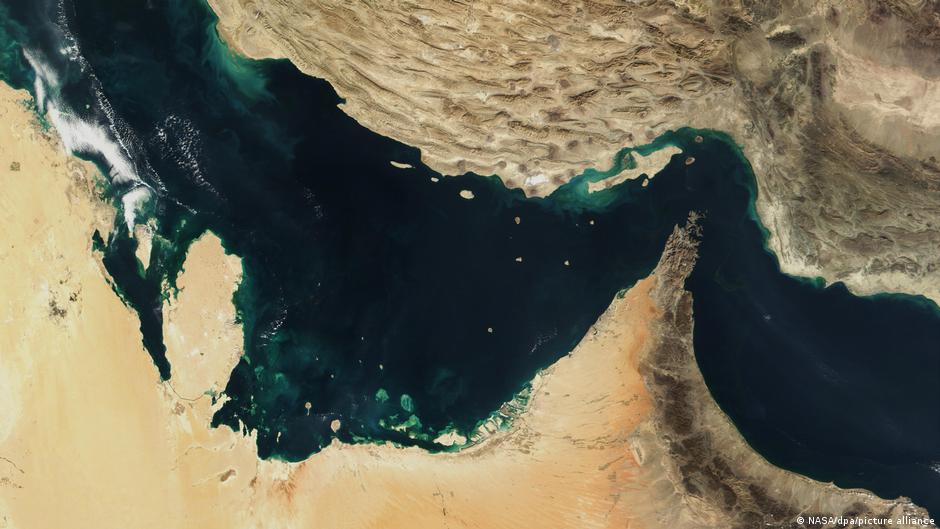
The Iranian military declared a full closure of the Strait of Hormuz, a critical chokepoint in global oil shipments, warning that any vessel attempting to pass would be attacked. Iranian state television confirmed that military forces had already engaged two ships in the area. This closure escalates concerns over potential disruptions to oil supplies, with the strait responsible for about 20% of the world’s petroleum transit.
"The new security situation following US strikes necessitated Iran’s decision to close the Strait of Hormuz," Iranian military leadership stated.
However, the US Central Command denied that the strait was completely closed, confirming that commercial vessels continue to transit the waterway. Despite this, uncertainty persists, contributing to volatility in energy markets and related equities.
Market Reactions and Investor Considerations
Financial markets responded swiftly to the heightened geopolitical risk. Energy stocks, particularly those of oil producers and service companies, experienced notable fluctuations amid fears of supply disruptions. Brent crude futures spiked as investors priced in the risk of constrained oil flows from the region.
Equities with exposure to the Middle East face increased uncertainty, while bond markets have seen a flight to safety, with yields on US Treasuries declining as investors seek refuge amid geopolitical instability. The renewed conflict could trigger volatility across global markets, impacting portfolios sensitive to energy price movements and emerging market risk.
Market participants are advised to monitor developments closely, as sustained disruptions in the Strait of Hormuz or expanded military engagements could have broader implications for global trade and economic stability.
Overall, the escalation between the US and Iran underscores the geopolitical risks that continue to influence capital markets, emphasizing the importance of diversified strategies to mitigate potential shocks from such events.