Russia’s Crude Oil Exports Reach Peak in 2026 Despite Falling Global Prices
Record Russian oil shipments boost supply amid US-Iran diplomacy, pressuring prices and market dynamics.
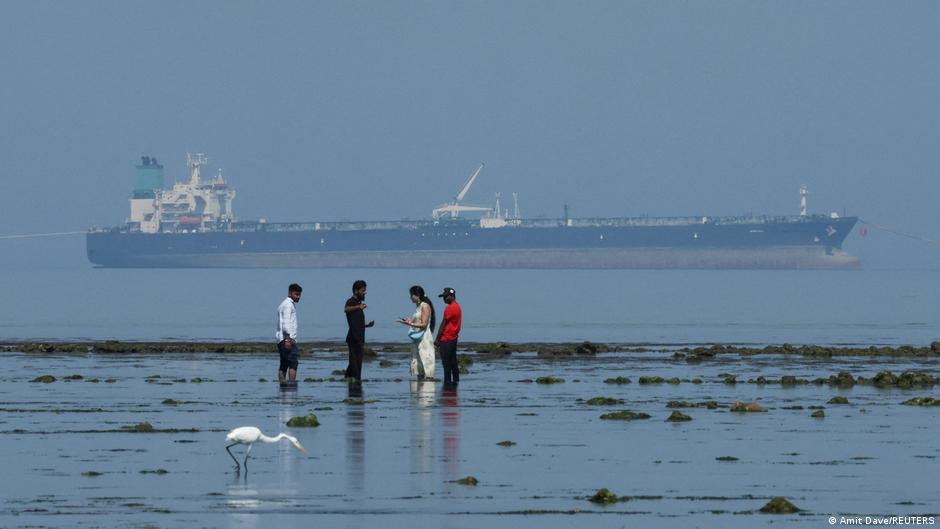
Russia has ramped up its maritime crude oil exports to the highest level since the start of 2026, according to recent market analyses. This surge comes despite falling global oil prices linked to improved US-Iran relations and renewed Iranian oil supplies.
Record Export Volumes Amid Market Turbulence
Between June 15 and June 21, a total of 38 tankers loaded approximately 28.79 million barrels of Russian crude, averaging 4.11 million barrels per day. This volume marks the highest weekly export figure for Russia this year and surpasses the country’s annual average export rates seen since the onset of the full-scale conflict in Ukraine.
Notably, much of this oil is already en route to international destinations rather than remaining idle offshore, signaling robust shipping activity and sustained demand despite geopolitical tensions.
Russia’s export expansion has been facilitated in part by Washington’s temporary lifting of sanctions on Russian maritime oil cargoes. This policy shift, effective until June 17, was designed to ease the global fuel crisis triggered by the blockade of the Strait of Hormuz amid the ongoing conflict involving Iran. However, no extension of this temporary waiver has been announced, introducing uncertainty for future shipments.
"The increased Russian supply comes at a time when the return of Iranian oil is exerting downward pressure on global prices," market analysts note.
Price Pressure and Competitive Challenges
The reintroduction of Iranian crude to global markets, following a memorandum of understanding between the US and Iran that reopened the Strait of Hormuz and lifted port blockades, has depressed oil prices by roughly 16%. This shift affects Russia’s revenue streams despite elevated export volumes.
According to Argus Media, the prices of key Russian crude grades such as Urals and ESPO have dropped by about 20% over the past week. This significant price decline diminishes the profit margins for Russian oil exporters amid heightened competition.
Compounding these challenges, recent attacks by Ukrainian forces on Russian oil refineries could hinder Russia’s capacity to process crude domestically. As a result, Russia may be compelled to export more unrefined crude oil, a move likely to further depress prices for its commodities.
Moreover, Iranian crude may increasingly displace Russian Urals oil in markets like India, one of Russia’s key buyers. To maintain its market share, Russia may need to offer steeper export discounts, intensifying the competitive environment.
Implications for Investors and Capital Markets
The combination of record export volumes and declining oil prices presents a complex scenario for investors. While increased Russian supply might suggest strengthening cash flows and potential earnings for Russian oil companies, the concurrent price drops and geopolitical risks temper this outlook.
Equity investors in energy sectors exposed to Russian crude should carefully weigh the impacts of price volatility and shifting trade flows. Similarly, bondholders face uncertainties related to revenue stability and geopolitical sanctions that could affect creditworthiness.
Market participants should monitor developments in US-Iran relations, sanction policies, and regional security dynamics, as these factors will continue to influence supply-demand balances and price trajectories in global oil markets.