US Strikes on Iran Escalate as Strait of Hormuz Closes, Impacting Global Oil Trade
Renewed US military strikes on Iran following attacks on commercial vessels have led to the closure of the strategic Strait of Hormuz, heightening market volatility.
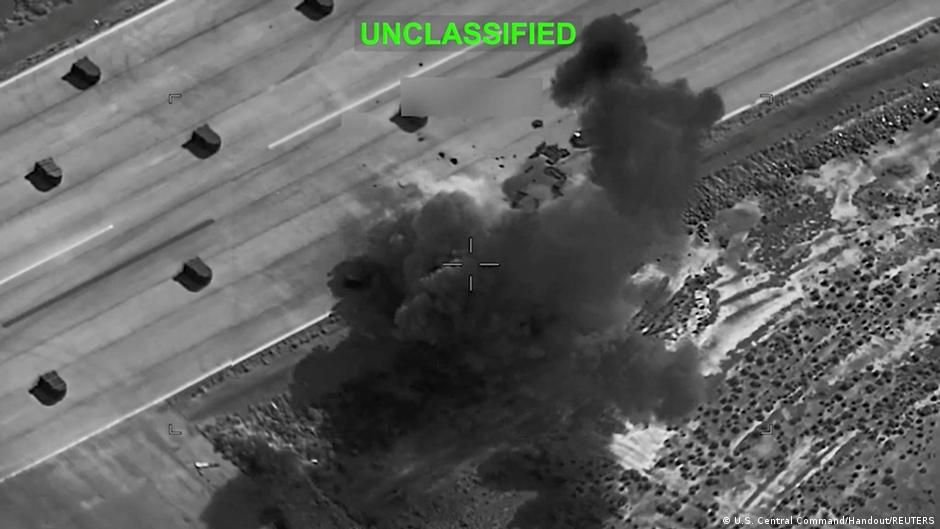
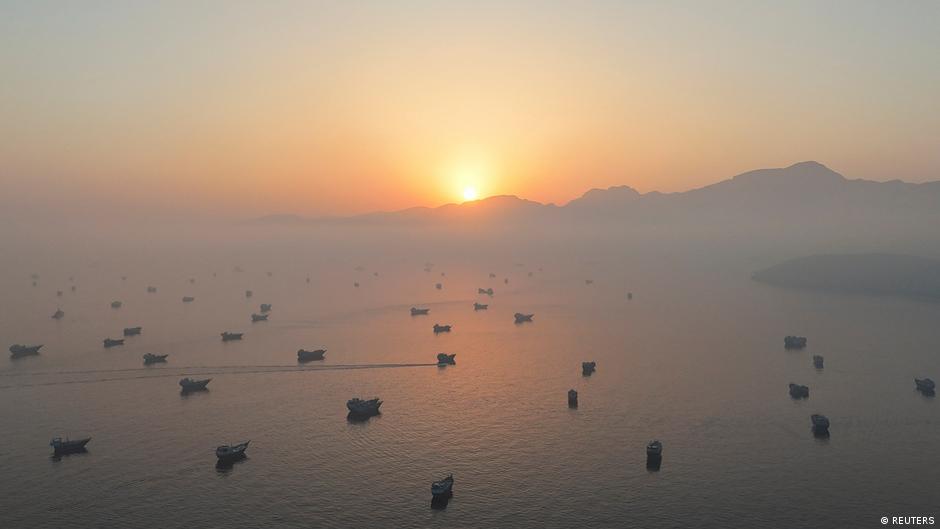
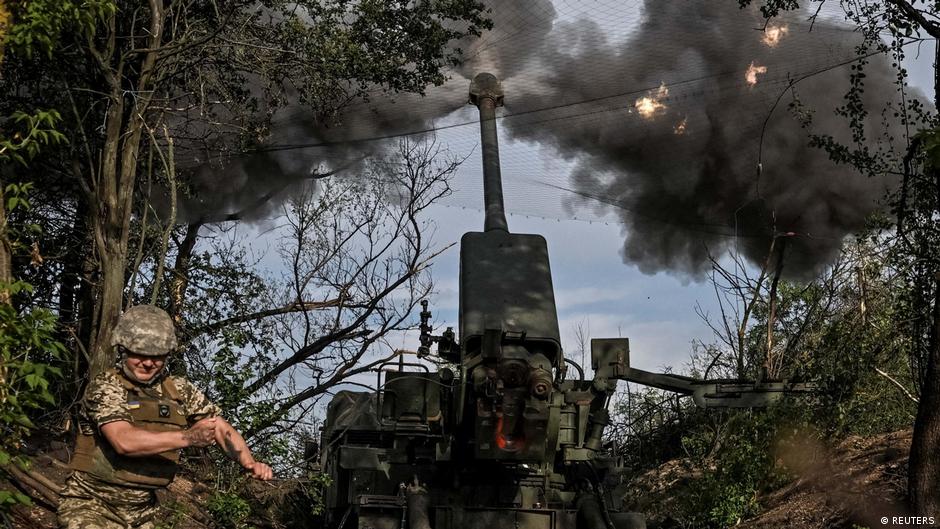
In a significant escalation of tensions in the Middle East, the United States military launched a third wave of strikes against Iran within one week. This latest action followed an attack by Iran's Islamic Revolutionary Guard Corps (IRGC) on a civilian cargo ship passing through the Strait of Hormuz, a critical chokepoint for global oil exports.
The US Central Command (CENTCOM) confirmed overnight on July 12 that the strikes targeted Iranian military infrastructure. Iranian state media reported air defense activity over Tehran and explosions in several port cities including Sirik, Konarak, Chabahar, Jask, and Bandar Abbas.
Strategic and Market Implications of the Strait of Hormuz Closure
The Strait of Hormuz accounts for approximately 20 percent of the world’s oil trade, making it one of the most vital maritime passages for energy markets. The closure of this corridor directly threatens global oil supply chains, pushing energy prices upward and injecting volatility into capital markets worldwide.
“Iran was given another opportunity to demonstrate compliance with the Memorandum of Understanding after previous attacks on commercial vessels, but it failed again,” CENTCOM stated. “The United States is continuing to degrade Iran’s ability to threaten civilian mariners and commercial shipping.”
The targeted vessel, the GFS Galaxy, which sailed under the Cypriot flag, sustained significant damage to its engine room and remains unable to continue its voyage due to a fire onboard. One crew member is reported missing.
US Defense Secretary Pete Hegseth underscored the seriousness of the US response, remarking, “Iran made the wrong choice. Now they are paying for it.”
From Tehran's perspective, the IRGC claimed the attack was a "warning shot" against a ship that deviated from an Iran-approved route and had disabled its navigation systems, thus threatening maritime security. Iran declared the Strait of Hormuz closed until further notice and demanded a cessation of US interventions in the region.
The IRGC also threatened further strikes against US military bases in the Middle East if American attacks persist, heightening geopolitical risks.
Capital Market Reactions and Investor Considerations
The abrupt closure of the Strait of Hormuz has immediate and profound implications for energy markets, equities in the oil and gas sector, and sovereign bonds in the region. Oil prices have surged amid fears of supply disruptions, prompting increased volatility in commodity-linked equities and exchange-traded funds.
Investors in global capital markets should be alert to heightened risk premiums in energy equities and bonds issued by Middle Eastern sovereigns. Additionally, the disruption exacerbates inflationary pressures worldwide, potentially influencing central bank policies and investor sentiment.
Previously, a June 17 framework agreement between the US and Iran had suggested a de-escalation and reopening of the Strait, but the breakdown of this accord following attacks on June 25 and subsequent US retaliations have reversed those gains.
US President Donald Trump declared on July 8 that the Memorandum of Understanding with Iran was effectively void, characterizing Iranian leaders as "evil, sick people" and ruling out direct negotiations, though he indicated that US diplomats could continue talks if desired. The US has also reimposed oil sanctions on Iran, further straining the economic and geopolitical landscape.
Despite these tensions, reports from closed-door talks indicate some Iranian officials have acknowledged failures within their system, suggesting a potential opening for diplomatic engagement to avoid further market instability.
As the situation develops, market participants must closely monitor geopolitical risks in the Middle East, given their profound influence on global energy supplies and the broader investment climate.