EU Recommends Withholding €2 Million Funding from Venice Biennale over Russian Participation
European Commission advises suspension of subsidies to Venice Biennale following Russia's return amid geopolitical tensions.
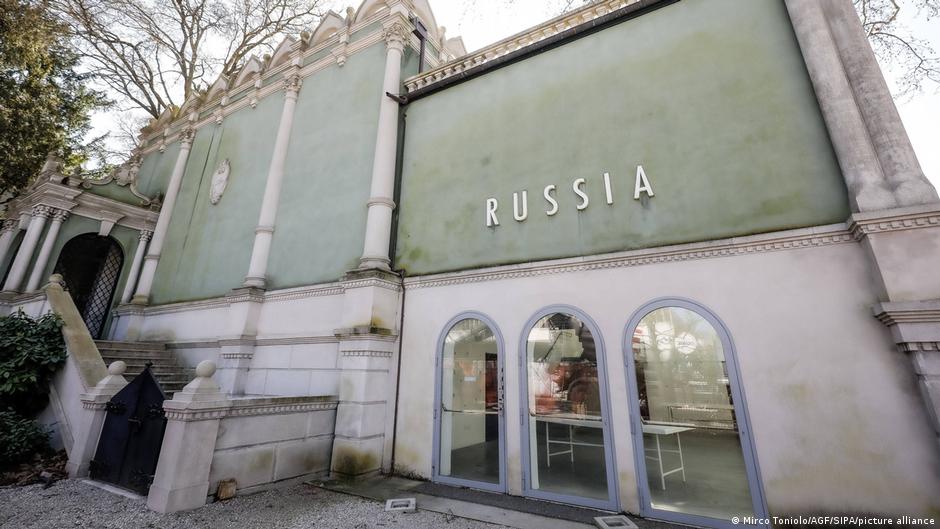
The European Commission has officially recommended that the European Education and Culture Executive Agency (EACEA) withhold €2 million in funding from the Venice Biennale due to the participation of Russia in the prestigious cultural event. This development highlights the intersection of geopolitics and financial support within the European cultural sector, raising questions about the implications for investors and the broader capital markets.
Market Implications of Cultural Funding Withdrawal
Henna Virkkunen, the European Commission's Executive Vice-President for Technology Sovereignty, Security, and Democracy, noted that "Culture in Europe - funded by taxpayers' money - must promote and protect democratic values. In contemporary Russia, these values are not respected." The recommendation followed a comprehensive review of the Biennale organizers' explanations for reopening the Russian pavilion despite widespread criticism.
Russia's participation in the 2026 Venice Biennale marked its return to the event since the onset of its full-scale invasion of Ukraine, triggering strong backlash from Brussels and Kyiv. The Russian pavilion faced protests from activist groups including Femen and Pussy Riot, reflecting the tense political atmosphere surrounding its involvement.
"The decision to allow Russia to participate stems from a commitment to freedom of expression," said Pietrangelo Buttafuoco, President of the Biennale, underscoring the tension between cultural openness and political pressure.
From a capital markets perspective, the withdrawal of EU subsidies could have a ripple effect on entities involved in the Biennale, including sponsors, contractors, and local businesses reliant on cultural tourism. The €2 million funding reduction may also signal increased scrutiny and politicization of cultural financing, prompting investors to reassess risks in sectors dependent on EU funding and cross-border cooperation.
Diplomatic tensions have long influenced investment sentiment in Europe, and this decision exemplifies how geopolitical conflicts can directly impact funding flows. The European Union's stance emphasizes adherence to sanctions policies, as the Commission had earlier warned that Russia's pavilion was state-funded, implying indirect economic support to the Kremlin.
Investors in European equities and bonds associated with sectors sensitive to EU policy and funding—such as culture, tourism, and public events—may need to factor in increased volatility and potential funding disruptions. Additionally, the situation exemplifies the broader challenges of maintaining market confidence amid geopolitical uncertainty.
As the EU tightens controls on financial support linked to Russian state activities, stakeholders should monitor further developments in cultural and educational subsidies, as these may serve as indicators for future regulatory shifts affecting market dynamics.