Trump Initiates Extensive Economic Warfare Against Iran Impacting Global Markets
U.S. President Donald Trump announces unprecedented sanctions targeting Iran, raising concerns for international investors and market stability.
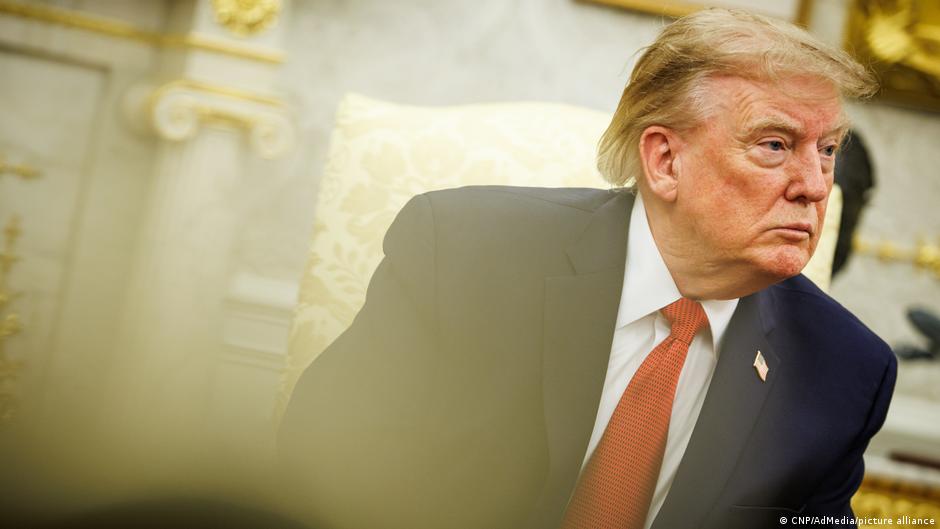
On August 20, U.S. President Donald Trump declared the launch of a sweeping economic campaign against Iran, signaling one of the most aggressive sanction efforts in recent history. The announcement, made via his social platform Truth Social, warned of "an unprecedented economic war and isolation" against Tehran, with threats of "enormous" penalties for any country that continues to support or trade with Iran.
Market Implications of Trump’s Economic Offensive
This development intensifies the ongoing economic pressure that Washington has been exerting on Iran, particularly targeting the nation’s energy, shipping, and financial sectors. The new wave of sanctions aims to further choke off Tehran’s revenue streams derived from energy exports.
"This will be the most crushing economic operation ever imposed on any country," Trump stated, underscoring the administration’s commitment to isolating Iran economically on a global scale.
Investors are closely monitoring these moves, as the heightened geopolitical tensions and growing sanction risks are contributing to volatility in capital markets. Energy equities, particularly those linked to Middle Eastern crude supplies, are expected to experience price fluctuations amid concerns over supply disruptions. Similarly, financial institutions and shipping companies with exposure to the Gulf region face potential compliance challenges and risks of secondary sanctions.
Further compounding market uncertainty, the United Arab Emirates (UAE) announced on August 18 a suspension of all trade, commercial exchanges, and financial transactions with Iran. The UAE’s decision followed allegations that Iran launched two missiles targeting its maritime shipping lanes, accusations Tehran denies. This regional escalation may pressure investors to reassess risk premiums associated with Gulf-based assets.
Bond markets are also reacting to the sanctions regime, as the likelihood of prolonged tensions raises concerns over debt servicing capabilities within the Iranian economy and potential ripple effects on sovereign and corporate bonds linked to the region.
For global investors, these developments necessitate a careful review of portfolios, particularly those with exposure to emerging markets and energy commodities. Risk managers and asset allocators should consider the implications of supply chain disruptions and the potential for increased market volatility.