US Intelligence Flags Israeli Opposition to US-Iran Deal, Impacting Market Sentiment
US intelligence warns Israeli Prime Minister Netanyahu may attempt to derail US-Iran agreement, influencing geopolitical risk and investor outlook.
US intelligence agencies have alerted the Trump administration that Israeli Prime Minister Benjamin Netanyahu may seek to undermine the recently inked long-term US-Iran agreement. This development adds layers of geopolitical uncertainty that investors and capital markets are closely monitoring.
Geopolitical Tensions and Market Implications
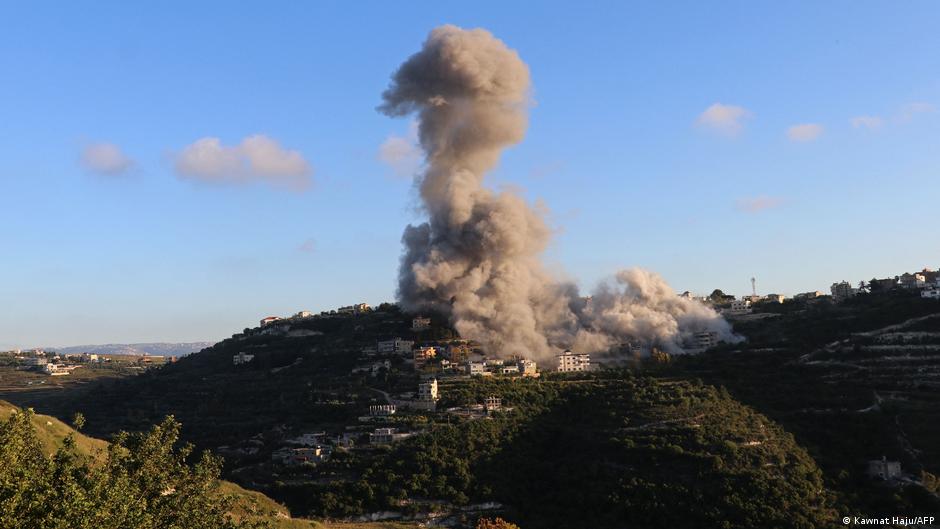
The intelligence assessment reveals Israel’s dissatisfaction with the June 17 memorandum of understanding between Washington and Tehran. Israel views the agreement as potentially easing the “maximum pressure” regime on Iran, which could embolden the Iranian-backed Hezbollah militia in Lebanon. Israel’s continued military operations against Hezbollah, despite the memorandum’s call for a ceasefire, have intensified regional tensions.
"Israel considers the deal a threat to its security and is likely to maintain military pressure on Hezbollah, complicating the path to peace negotiations." — US intelligence source
Netanyahu’s political calculus also plays a role. With Israeli parliamentary elections slated for fall 2026, the Prime Minister aims to maintain public support, which recent polling shows is strongly in favor of continued efforts against Hezbollah. A withdrawal or cessation of military operations in southern Lebanon could be seen domestically as a political defeat.
From a capital markets perspective, such geopolitical instability tends to increase risk premiums and volatility, particularly for equities and bonds linked to the Middle East region. Investors often respond to heightened conflict risk by seeking safe-haven assets, resulting in elevated demand for US Treasuries and gold, while emerging market assets may face selling pressure.
The US-Iran deal was expected to initiate a 60-day negotiation window for a final peace agreement, but reports indicate that talks scheduled for June 19 were postponed. Delays and disruptions to diplomatic efforts often unsettle markets by prolonging uncertainty about regional stability and energy supply chains.
President Trump reacted to the postponement by reaffirming a hardline stance against Iran, emphasizing that the US will not release funds or concessions easily. Such rhetoric underscores the potential for prolonged friction that investors must price into risk assessments.
Meanwhile, reports of a tentative ceasefire between Israel and Hezbollah have surfaced, but the situation remains fragile with accusations of violations on both sides. The persistence of conflict despite diplomatic initiatives signals ongoing risks for market participants.
Overall, the intersection of political maneuvering, regional hostility, and stalled negotiations shapes a complex environment for global capital markets. Investors should remain vigilant to developments that could trigger sudden shifts in risk sentiment, particularly given the strategic importance of the Middle East to energy markets and global trade.